
High-speed Cold-heading Contact Rivet Solutions
Our precision-engineered AgZnO product series supports diverse cold-heading rivet manufacturing requirements, from raw contact materials to finished assemblies.
Understanding Silver Zinc Oxide (AgZnO) in
High-speed Cold-heading Contact Rivet Production
Silver Zinc Oxide (AgZnO) has emerged as one of the most strategically important composite contact materials in the modern electrical industry. As global demand for miniaturized, high-performance switching devices continues to escalate, AgZnO contact rivets manufactured through high-speed cold-heading processes have become a critical component in everything from residential circuit breakers to industrial automation relays and EV charging infrastructure.
What Is Silver Zinc Oxide (AgZnO)?
AgZnO is a silver-based composite electrical contact material formed by uniformly dispersing zinc oxide (ZnO) particles within a pure silver matrix. The ZnO phase improves arc erosion resistance, reduces contact welding tendency, and enhances thermal stability — all critical parameters in switching applications. Typical ZnO content ranges from 5% to 15% by weight, with the balance being silver (Ag). The microstructure, particle size distribution, and densification of the ZnO phase directly govern the final performance of the contact rivet in service.
Why High-speed Cold-heading Is the Preferred Manufacturing Method
Cold-heading (also called cold-forging or cold-forming) is a chipless precision forming process in which a wire or rod feedstock is plastically deformed at room temperature under high compressive force to produce near-net-shape rivet components. For AgZnO contact rivets, high-speed cold-heading offers several distinct advantages over conventional machining or sintering-only routes:
Material efficiency: Cold-heading generates virtually zero material scrap — a major economic advantage given silver's high intrinsic cost. Compared to turning or milling, material utilization rates exceed 98%.
Speed and throughput: Modern high-speed cold-heading machines operate at 200–600 strokes per minute, enabling mass production of contact rivets at very low unit cost while maintaining tight dimensional tolerances (±0.02 mm or better).
Microstructural refinement: The cold work imparted during heading refines the silver grain structure and re-distributes ZnO particles more uniformly, which translates to improved hardness, density, and electrical contact performance versus purely sintered routes.
Design flexibility: Cold-heading tooling can produce a wide variety of head geometries — solid, bimetal, trimetal — supporting diverse OEM design specifications across the global relay and circuit breaker supply chain.
Industrial & Commercial Landscape: AgZnO Cold-heading Rivets in 2024–2025
The global electrical contact materials market was valued at approximately USD 1.8 billion in 2023, with silver-based composites — led by AgSnO₂ and AgZnO — accounting for the dominant share. AgZnO specifically holds a strong position in mid-to-high current switching applications (5A–100A range), where its arc erosion resistance profile is superior to AgCu or AgNi alternatives, while its material cost remains more competitive than premium AgSnO₂In₂O₃ grades for certain application requirements.
Key end markets consuming AgZnO cold-heading contact rivets include:
Residential & commercial circuit protection: Miniature circuit breakers (MCBs), residual current devices (RCDs), and air circuit breakers (ACBs) represent the single largest consumption channel. The global MCB market alone is projected to surpass USD 9 billion by 2027, all of which depend on reliable contact rivet materials.
Industrial control relays & contactors: From IEC 60947-compliant industrial contactors to DIN-rail relays, AgZnO rivets provide the arc quenching and anti-weld performance required for millions of daily switching cycles under inductive load conditions.
Automotive & EV infrastructure: The rapid expansion of EV charging stations and onboard power distribution units (PDUs) is creating entirely new demand vectors for high-durability AgZnO contact assemblies capable of handling DC fast-charging currents and frequent connect/disconnect cycles.
Smart home & IoT switches: The proliferation of smart home automation systems and IoT-connected breakers is driving demand for miniaturized, low-mass contact rivets with consistent switching performance over ultra-long cycle lives (>100,000 operations).
Development Trends Shaping the AgZnO Contact Rivet Industry
Several macro and technology trends are actively reshaping the AgZnO cold-heading contact rivet supply chain and product development pipeline heading into the second half of this decade:
1. Eco-friendly processing routes: Traditional internal oxidation (IO) processes for producing AgZnO wires can generate NOₓ emissions and require high-temperature furnace infrastructure. Powder metallurgy (PM) routes — press-sinter-extrude — are gaining ground as a cleaner alternative offering tighter microstructural control, particularly for fine-pitch cold-heading feedstocks used in miniaturized rivets.
2. Nano-ZnO reinforcement: R&D programs at leading contact material manufacturers are investigating nano-scale ZnO dispersoids (particle size <100 nm) to achieve finer, more homogeneous microstructures. Early results indicate a 15–25% improvement in arc erosion life compared to conventional micron-scale ZnO AgZnO at equivalent composition.
3. DC switching competence: As DC architectures proliferate in both EV and renewable energy systems, contact materials face more severe arc energy conditions versus traditional AC switching. Reformulated AgZnO grades with optimized ZnO stoichiometry and dopant additions (In, Bi, rare earth elements) are being specifically developed to address high-energy DC arc erosion.
4. Supply chain localization: Geopolitical pressures and logistics disruptions since 2020 have accelerated OEM programs to qualify regional AgZnO rivet suppliers — particularly in Europe and Southeast Asia — reducing over-dependence on any single manufacturing geography and shortening supply chain lead times.
5. Digital quality traceability: High-speed vision inspection systems integrated directly into cold-heading production lines now enable 100% dimensional and surface-quality screening of rivets at production speed, supporting zero-defect supply requirements from Tier-1 electrical OEMs.
Deep Application Scenario Analysis: AgZnO Rivets in Practice
Beyond broad market statistics, it is instructive to examine exactly how AgZnO cold-heading rivets perform across specific, technically demanding application scenarios:
Scenario A — AC Motor Control Contactors: In IEC 60947-4 compliant AC-3 contactors controlling induction motors, the contact set must interrupt high inductive currents during each opening operation. The ZnO oxide phase in AgZnO generates a stable, non-wetting contact surface that dramatically reduces the probability of contact sticking or welding even at making currents of 6–8× rated current. Cold-headed rivets in this duty class routinely achieve >1,000,000 electrical operations.
Scenario B — Residential MCB Static Contact Pairs: Modern 10,000A breaking-capacity MCBs require contact materials that can withstand the thermal and mechanical shock of fault interruption without excessive welding or mass loss. AgZnO10 (10 wt% ZnO) cold-heading rivets provide an optimal balance of electrical conductivity (>60% IACS), hardness (HV 70–90), and arc erosion resistance in this demanding application.
Scenario C — EV DC Contactor Main Contacts: High-voltage DC contactors used in BMS and PDU applications in electric vehicles must reliably interrupt 400V–800V DC bus voltages under high current (200–500A) fault conditions. Here, AgZnO rivets designed with higher ZnO content (12–15%) and reinforced with rare-earth oxide co-additives demonstrate excellent resistance to the sustained DC arc column, outperforming standard AgCu in contact mass retention after 10,000 switching cycles.
Scenario D — Smart Meter & Energy Management Switches: IoT-connected smart meters and load control switches demand contact rivets with extremely consistent low-contact-resistance throughout their service life (<0.5 mΩ initial; <5 mΩ after 50,000 operations). Fine-grain AgZnO rivets produced from PM-route feedstock via high-speed cold-heading demonstrate superior contact resistance stability versus IO-route equivalents in this application, attributed to the more uniform ZnO distribution minimizing resistive oxide layer formation.
AgZnO Cold-heading Rivet Key Figures
Why Choose AgZnO for Cold-heading Contact Rivets
The ZnO oxide phase acts as an arc-quenching barrier, dramatically reducing contact mass loss per switching operation. AgZnO rivets maintain dimensional integrity over millions of electrical cycles under AC and DC arc stress conditions.
ZnO reinforcement creates a non-wetting, thermally stable oxide surface that prevents contact welding even under high make-current inrush conditions — a critical safety requirement for MCBs, contactors, and motor starters.
AgZnO wire and strip feedstocks are specifically formulated for excellent deformability and die life compatibility in high-speed cold-heading operations — enabling high-volume, low-scrap production with repeatable tight tolerances.
AgZnO is fully RoHS-compliant and free from cadmium, mercury, and other hazardous substances — making it the environmentally responsible successor to legacy AgCdO contact materials now banned across major markets globally.
Cold-heading enables production of solid AgZnO rivets, bimetal (AgZnO/Cu) rivets, and trimetal configurations in virtually any head geometry — round, flat, dome, countersunk — to match diverse OEM mounting and performance specifications.
Advanced PM and IO processing routes combined with high-speed cold-heading produce a refined, homogeneous ZnO dispersion throughout the silver matrix — ensuring uniform contact resistance, low contact drop variability, and reliable switching performance batch to batch.
AgZnO Cold-heading Rivet Application Industries
From grid-scale switchgear to EV charging infrastructure and smart home automation, AgZnO cold-heading contact rivets serve as the critical switching interface across the full spectrum of modern electrical engineering.
Residential Circuit Breakers & RCDs
MCBs and RCDs in residential distribution boards rely on AgZnO rivets to deliver reliable fault interruption and anti-weld performance across a 25+ year product service life under repeated short-circuit and overload conditions.
Industrial Contactors & Motor Starters
IEC-compliant AC-3 and AC-4 duty contactors controlling motors and loads in industrial automation environments demand AgZnO contact pairs that maintain stable contact resistance and anti-sticking properties beyond 1 million switching operations.
EV High-voltage DC Contactors
Battery management systems and power distribution units in electric vehicles require AgZnO contact rivets engineered for DC arc interruption at 400–800V, high make/break current capability, and long operational life in thermally challenging automotive environments.
Smart Grid & Energy Storage Systems
As smart grid infrastructure and large-scale battery energy storage systems (BESS) expand globally, AgZnO contact rivets are increasingly specified for DC disconnect switches, bi-directional relay modules, and remote-operated circuit protection devices in grid-edge applications.
Smart Home & Building Automation
IoT-connected load switches, smart plugs, and automated circuit protection devices demand ultra-miniature AgZnO cold-heading rivets with consistent switching characteristics and ultra-long cycle life (>100,000 operations) in a thermally constrained package.
Photovoltaic & Renewable Energy Equipment
Solar combiner boxes, string inverters, and DC safety switches in photovoltaic systems operate under challenging DC arc conditions. AgZnO contact rivets engineered for DC switching duty deliver reliable arc interruption performance in these high-growth renewable energy applications.
Future Direction of AgZnO Cold-heading Contact Rivet Technology
The AgZnO contact rivet industry is undergoing rapid technological evolution driven by electrification trends, sustainability mandates, and the unrelenting demand for higher switching performance in smaller form factors. Key development trajectories shaping the next generation of cold-heading contact rivet solutions include:
- Nano-ZnO reinforced AgZnO composites for 15–25% longer arc erosion life
- Rare-earth doped AgZnO grades optimized for high-voltage DC switching in EV systems
- Powder metallurgy (PM) processing for cleaner, higher-precision ZnO distribution versus internal oxidation routes
- In-line 100% vision inspection integrated into cold-heading lines for zero-defect delivery
- Eco-friendly annealing and wire-drawing processes reducing energy consumption per kg of output
- Digital twin simulation of cold-heading die stress and rivet microstructure for rapid new product development
- Regional supply chain qualification programs in Europe, SEA, and North America
- OEM co-development programs for application-specific AgZnO compositions and rivet geometries

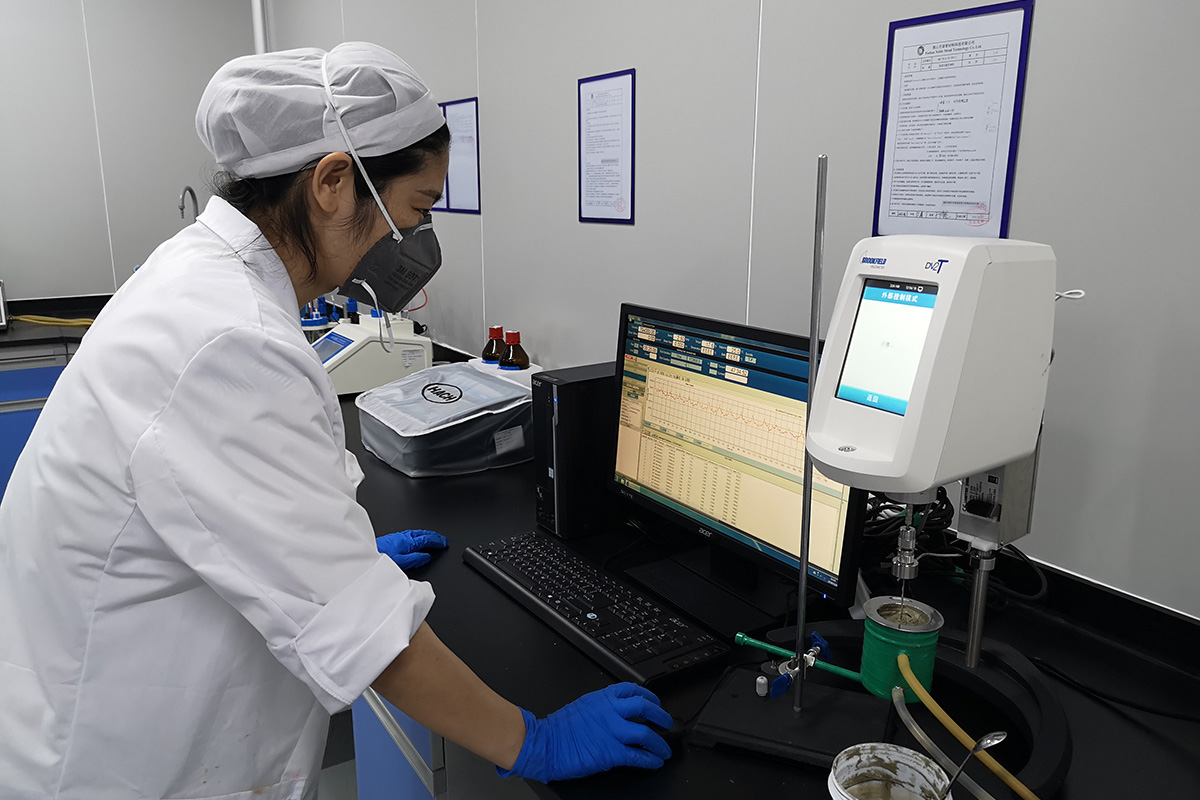

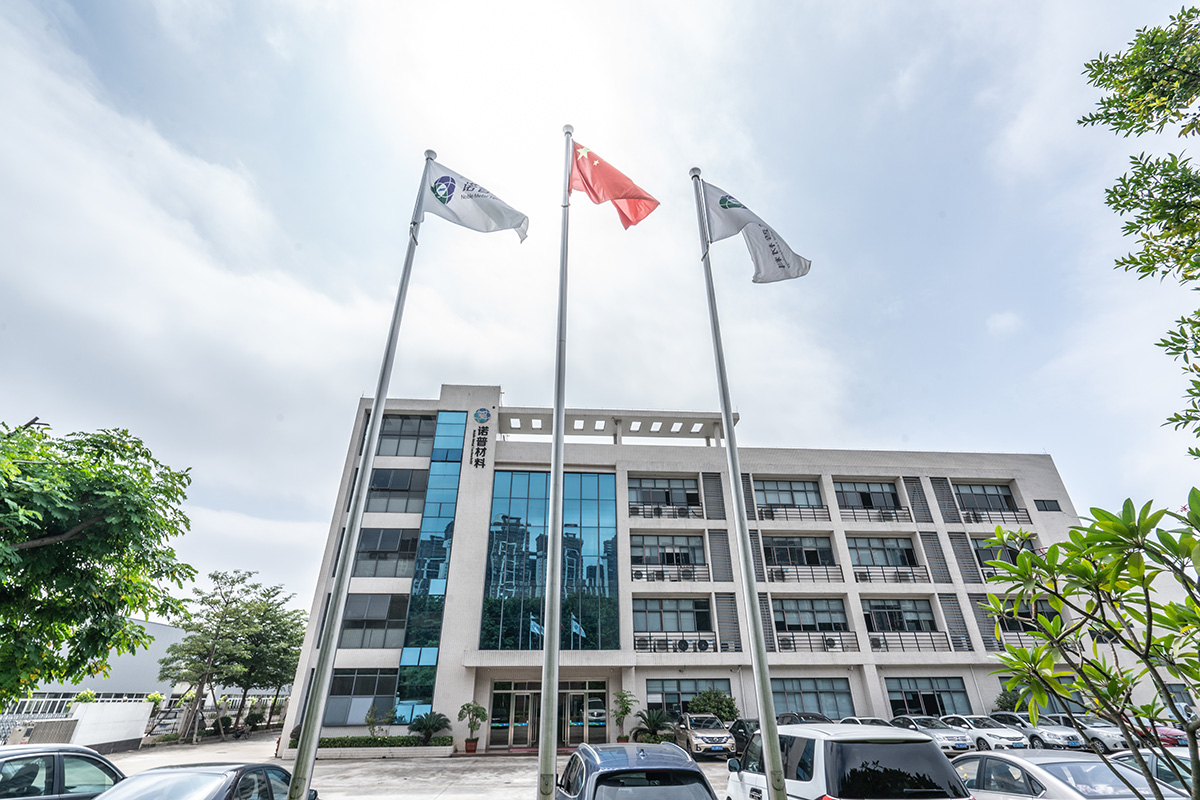
Foshan Noble Metal Technology Co., Ltd. (NMT)
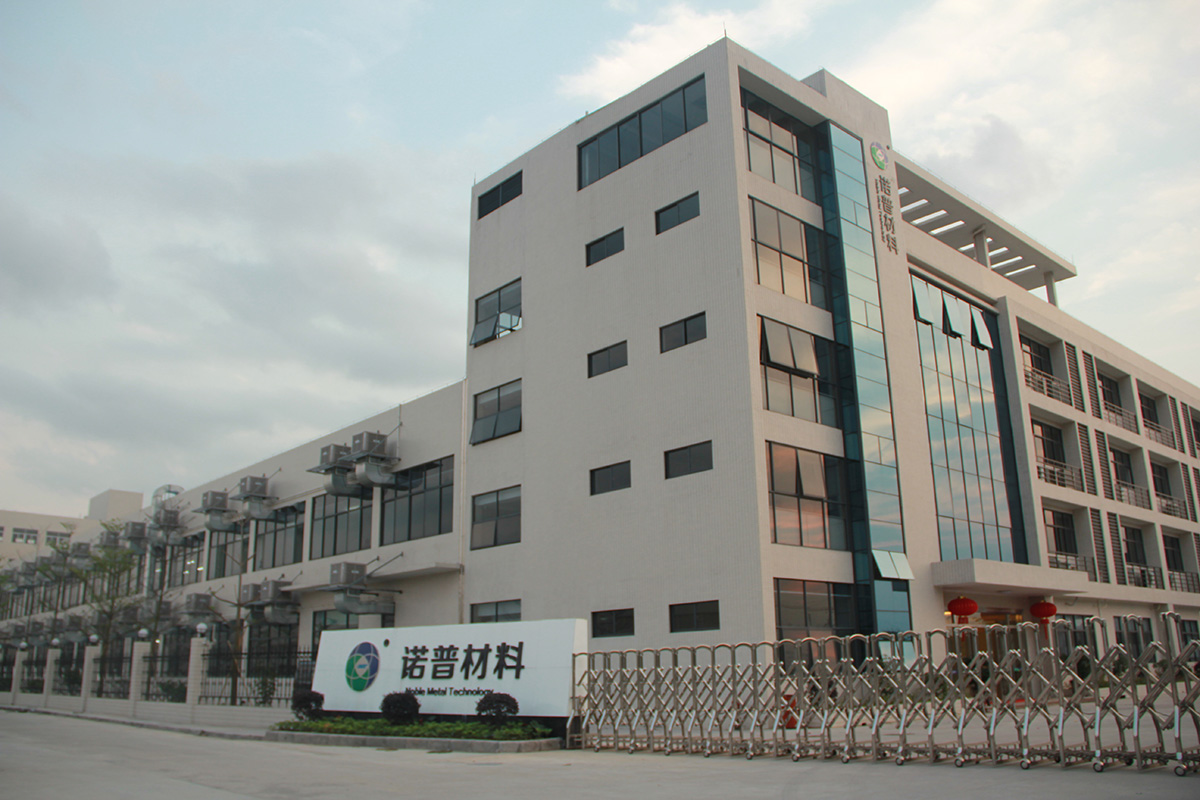
Foshan Noble Metal Technology Co., Ltd. (known as NMT) is a leading high-tech enterprise specializing in the development and manufacture of silver-based electrical contact composite materials, components and assemblies for various electrical and electronic applications. Our headquarter is located in Foshan with state-of-the-art facilities.
NMT has obtained the National Invention Patent of "AgSnO₂In₂O₃ electric contact composite material and its manufacture processes" in 2008. Through our expert know-hows and strong technical team, NMT has further developed AgSnO₂ alloy materials with different compositions and innovative processes, resulting in better performance and broader range of application. Additionally NMT has also developed various range of silver-based electrical contact materials such as AgNi, AgZnO and AgCu etc., which may offer our customers more options in their applications.
Our business covers a wide range of areas, including contact materials in the form of powder, wire, composite strip and profiles. We also offer contact components, such as tips and rivets, and contact assemblies, which include welded and stamped components. In addition, we have a series of silver paste products. These comprehensive offerings enable us to provide our customers with integrated and cost-effective solutions while ensuring complete manufacturing and quality control.
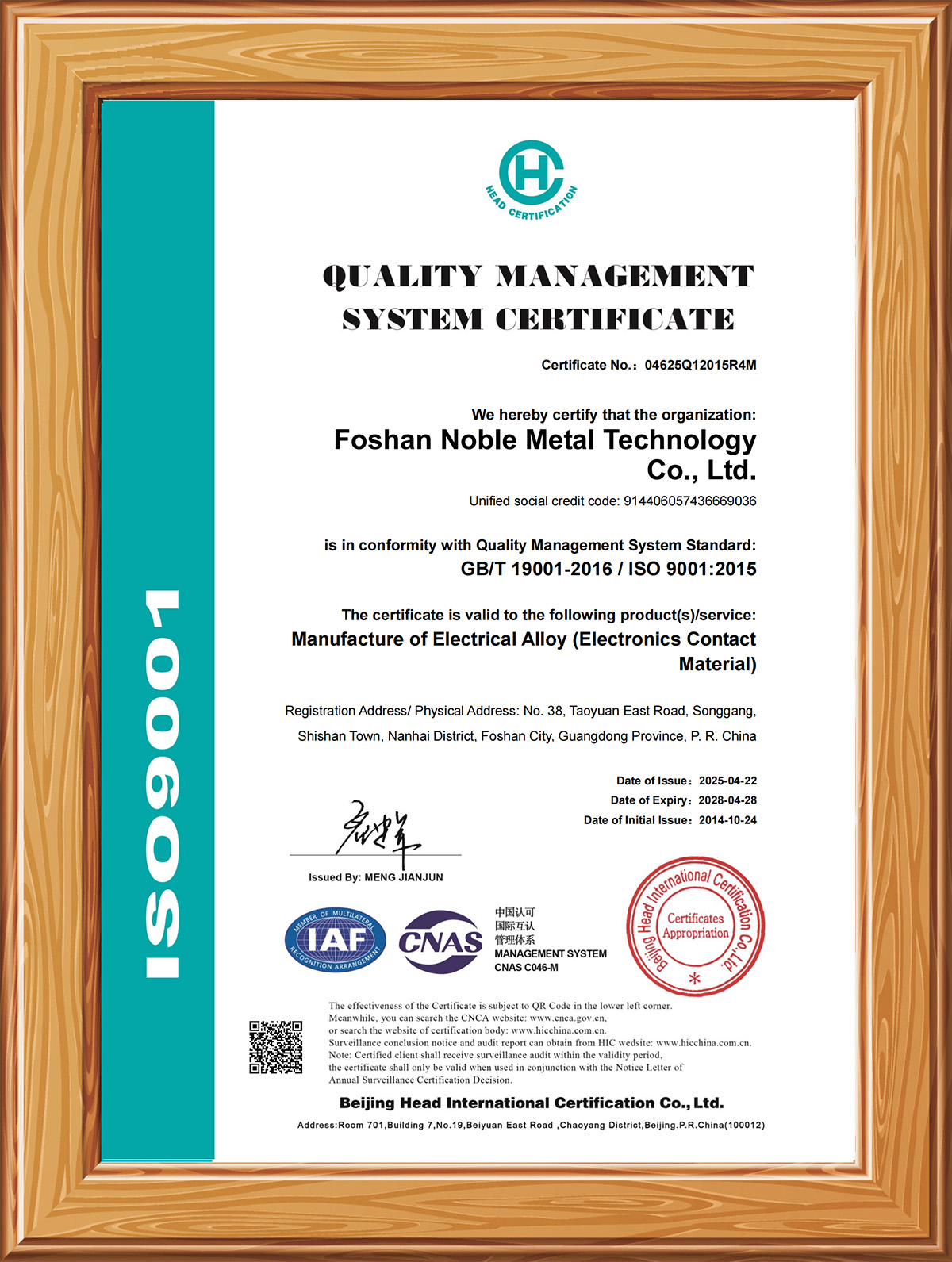
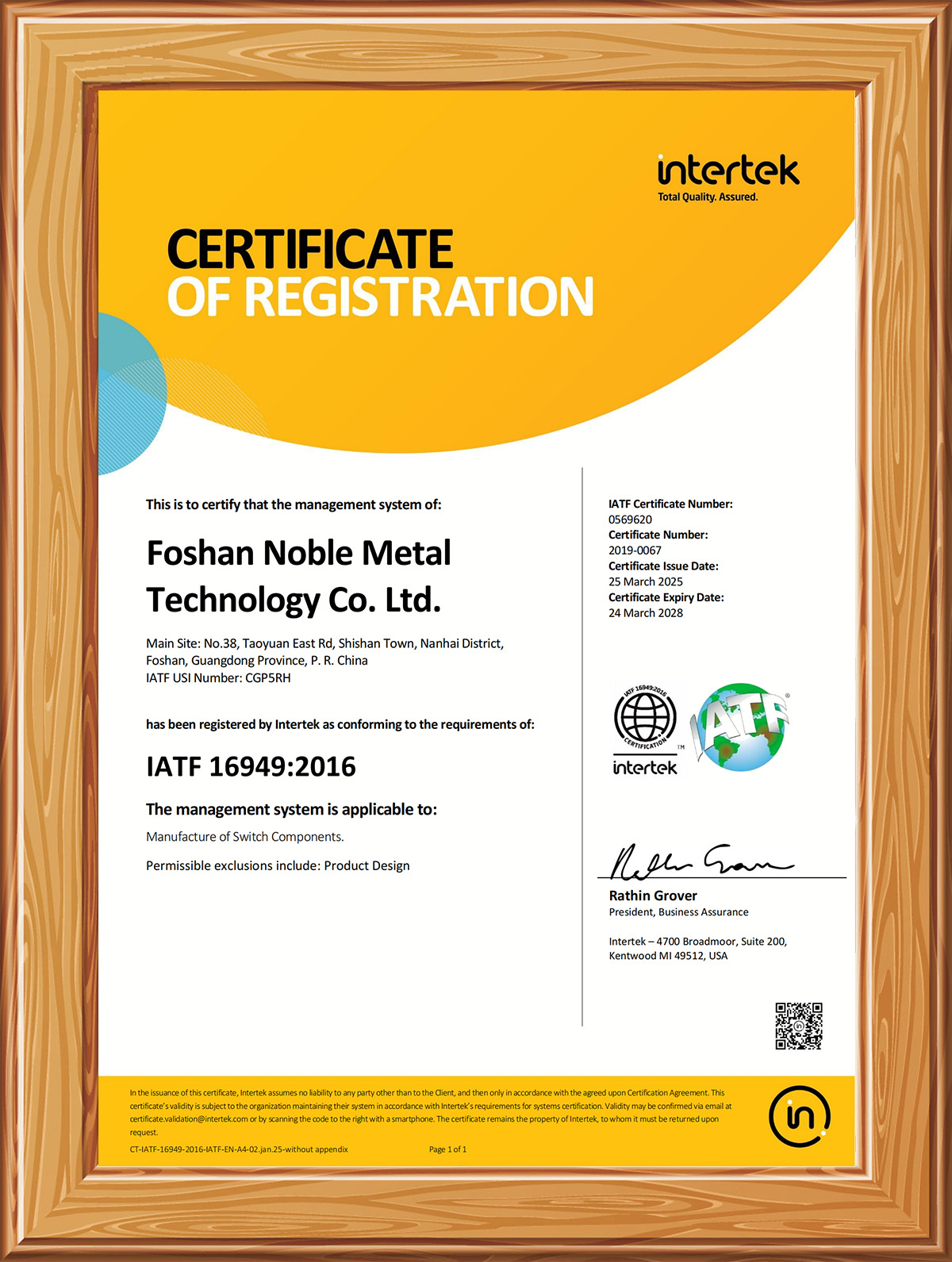
NMT Certifications & Standards Compliance
Our AgZnO cold-heading contact rivet products are developed and manufactured under rigorously certified quality systems, backed by national invention patents and international material compliance standards.
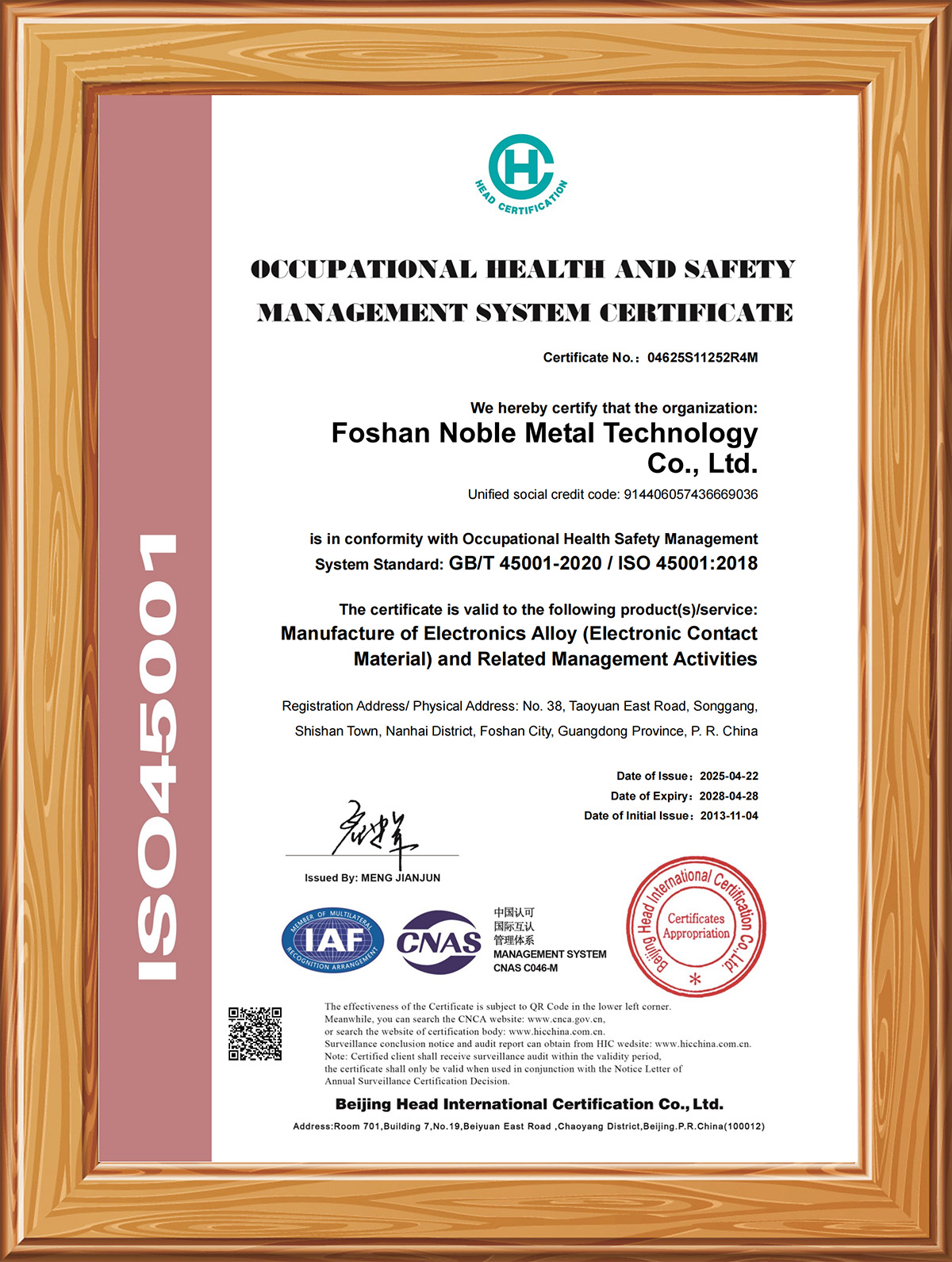
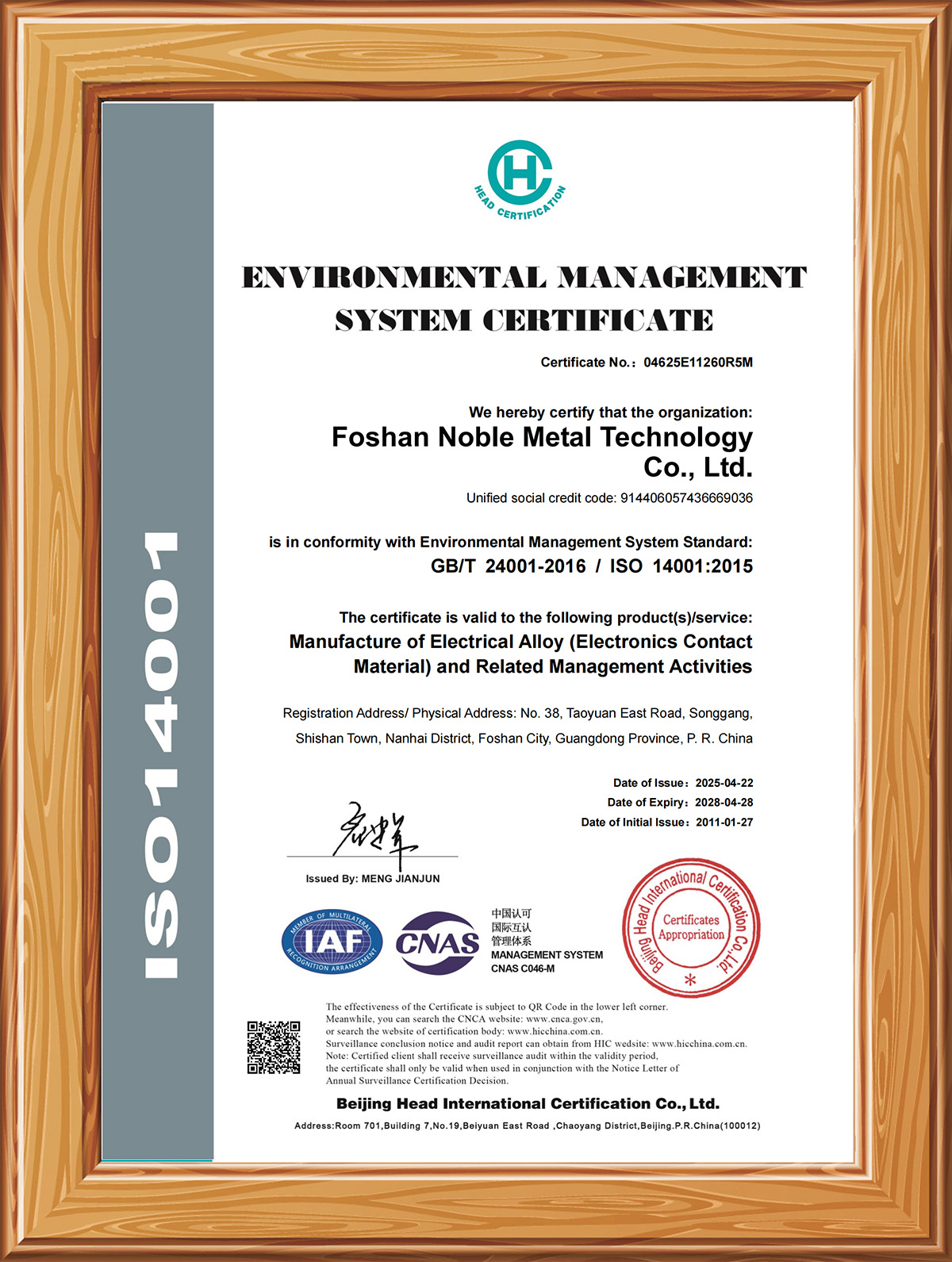
Rigorous Quality Assurance for AgZnO Cold-heading Rivets
Our business covers a wide range of areas, including contact materials in the form of powder, wire, composite strip and profiles. We also offer contact components, such as tips and rivets, and contact assemblies, which include welded and stamped components. In addition, we have a series of silver paste products. These comprehensive offerings enable us to provide our customers with integrated and cost-effective solutions while ensuring complete manufacturing and quality control.
Every AgZnO cold-heading contact rivet produced at NMT undergoes multi-stage quality inspection encompassing incoming raw material analysis, in-process dimensional control, metallographic microstructure evaluation, hardness testing, electrical conductivity measurement, and final visual inspection — all supported by our ISO-certified quality management system.
Continuous Innovation in AgZnO Contact Technology
NMT has kept investing in R&D and following up the most up-to-date techniques and applications via cooperation and exchange with customers and research organizations, which drive NMT to deliver more innovative, eco-friendly and high-quality solutions to our customers.
We continually strive to enhance our products, expand our capabilities and improve our manufacturing processes. By doing so, we can continue to provide our customers with cutting-edge solutions to meet the changing needs. NMT is a trusted supplier of silver-based electrical contact materials, components and assemblies. With our strong technical team, broad product range and commitment to innovation, we have the ability to provide customers with integrated and reliable solutions.
Our ongoing AgZnO R&D programs focus on nano-reinforced composites, eco-friendly PM processing, and application-specific composition engineering — ensuring NMT remains at the forefront of cold-heading contact rivet material technology.
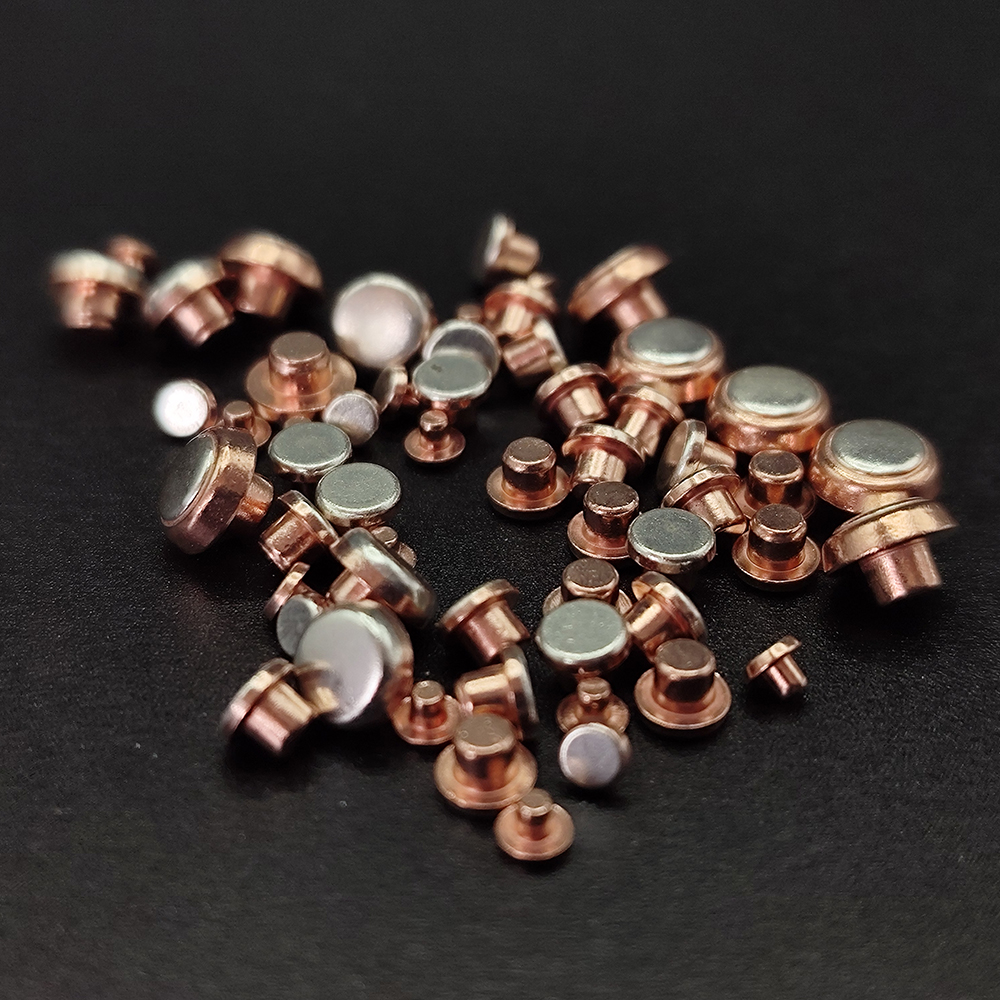
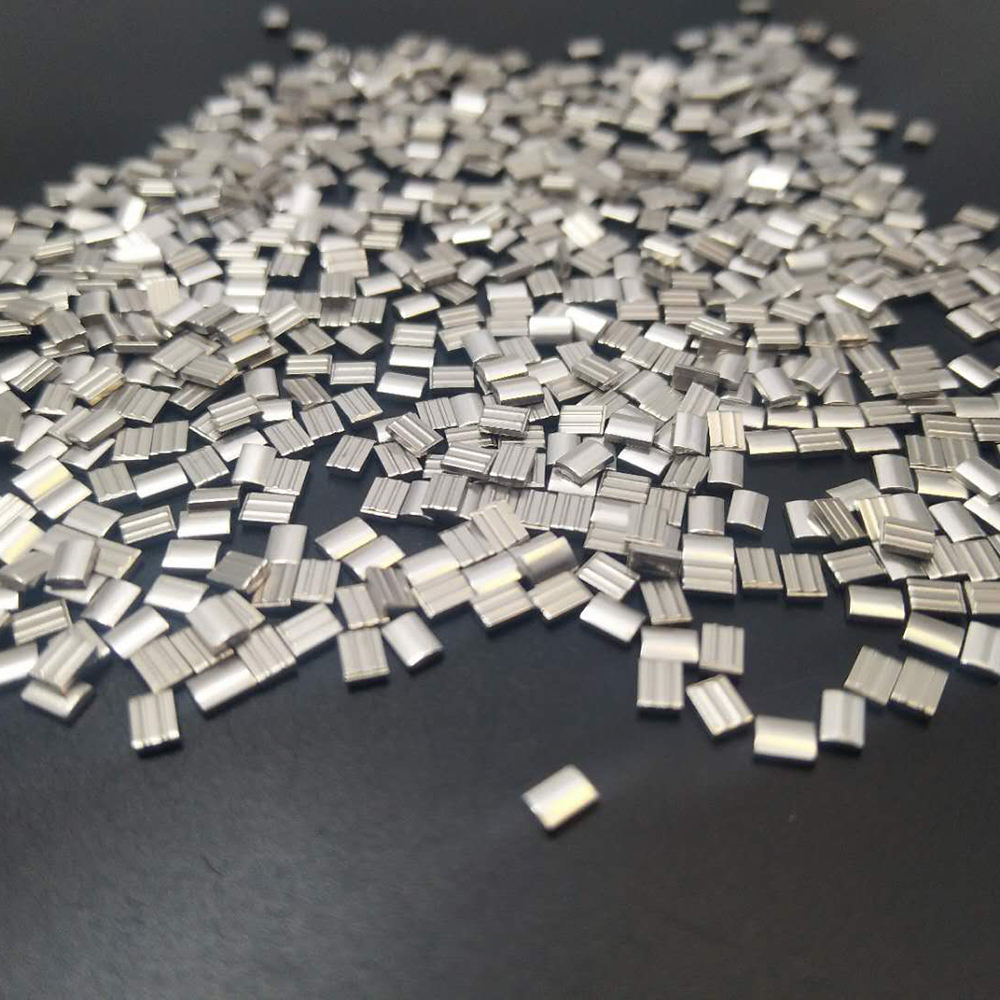
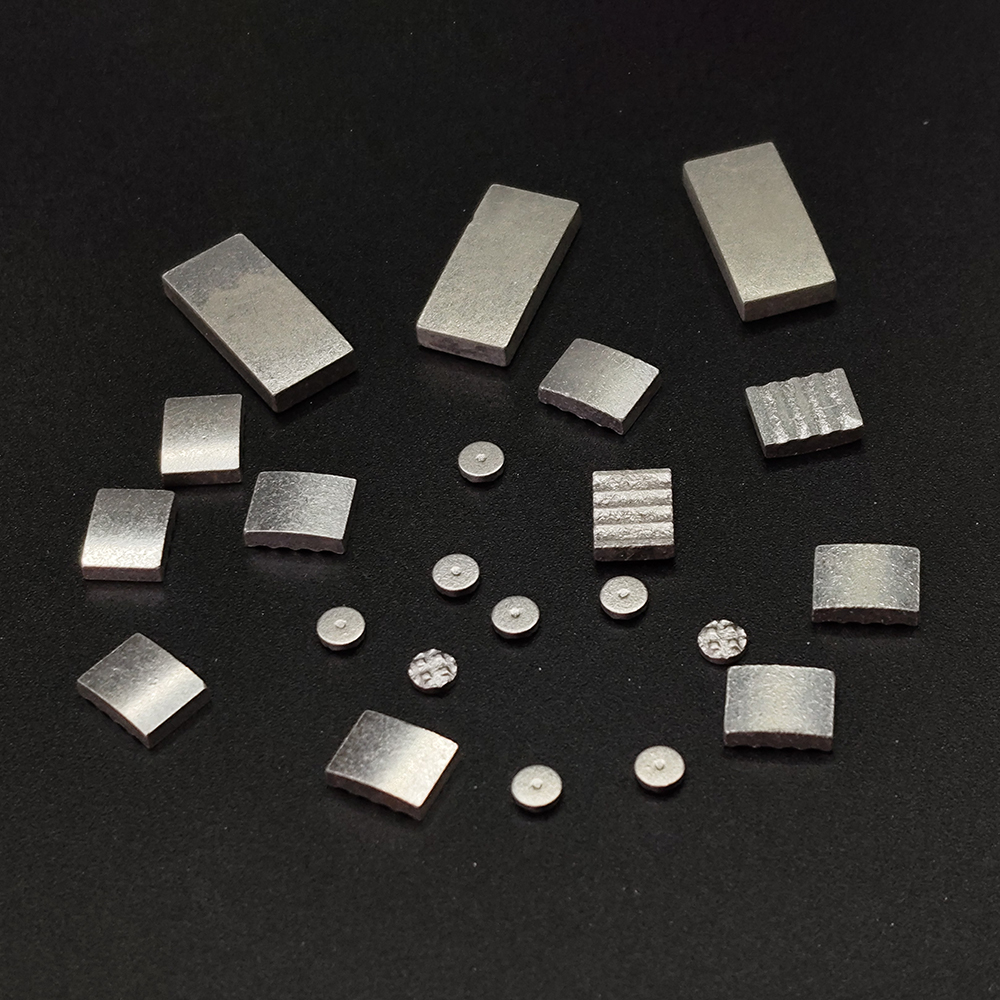
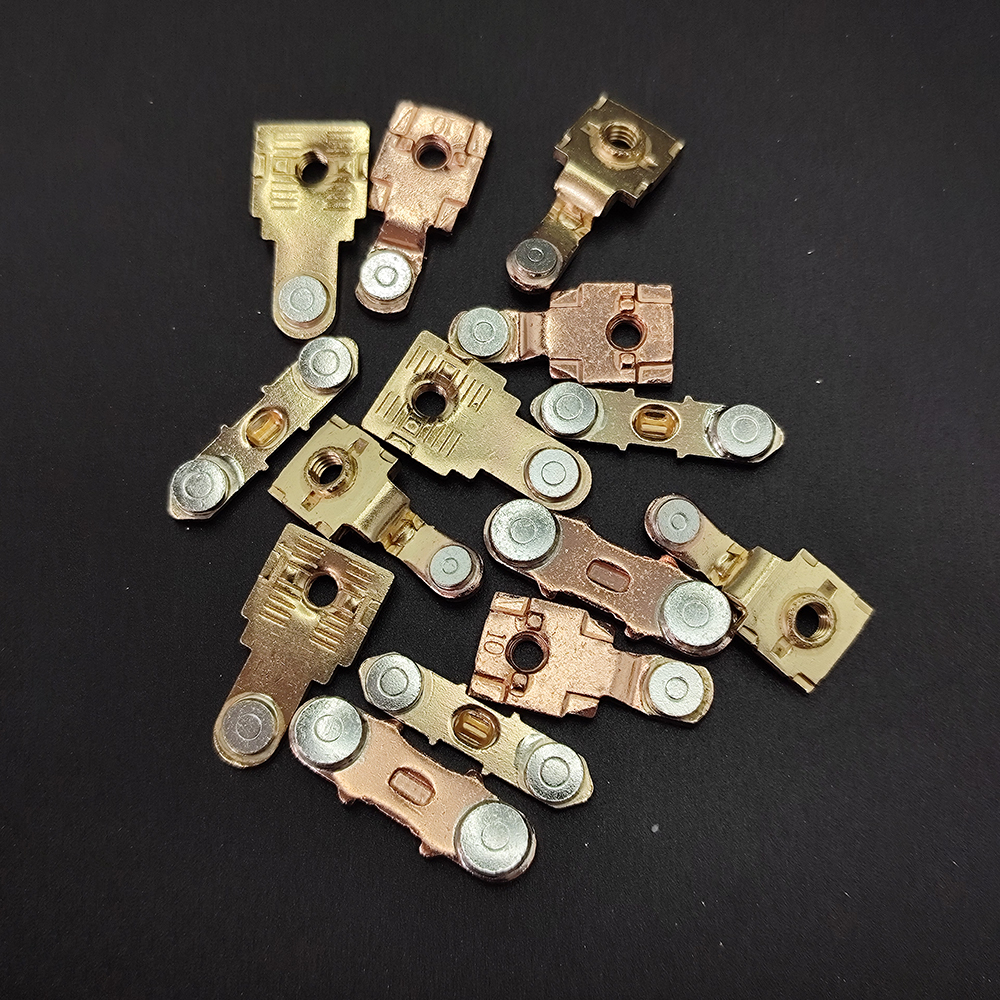
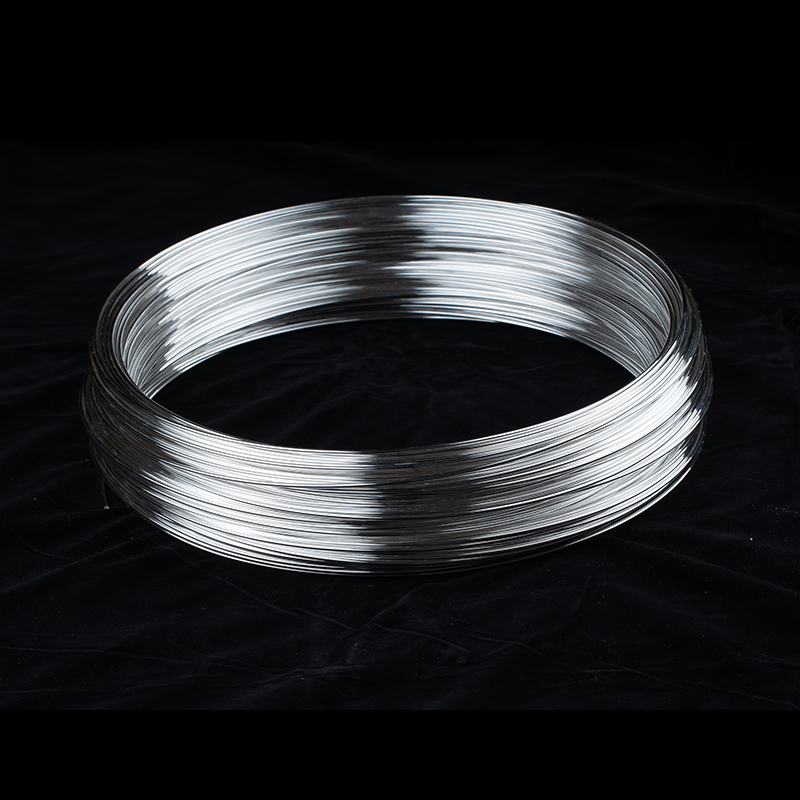
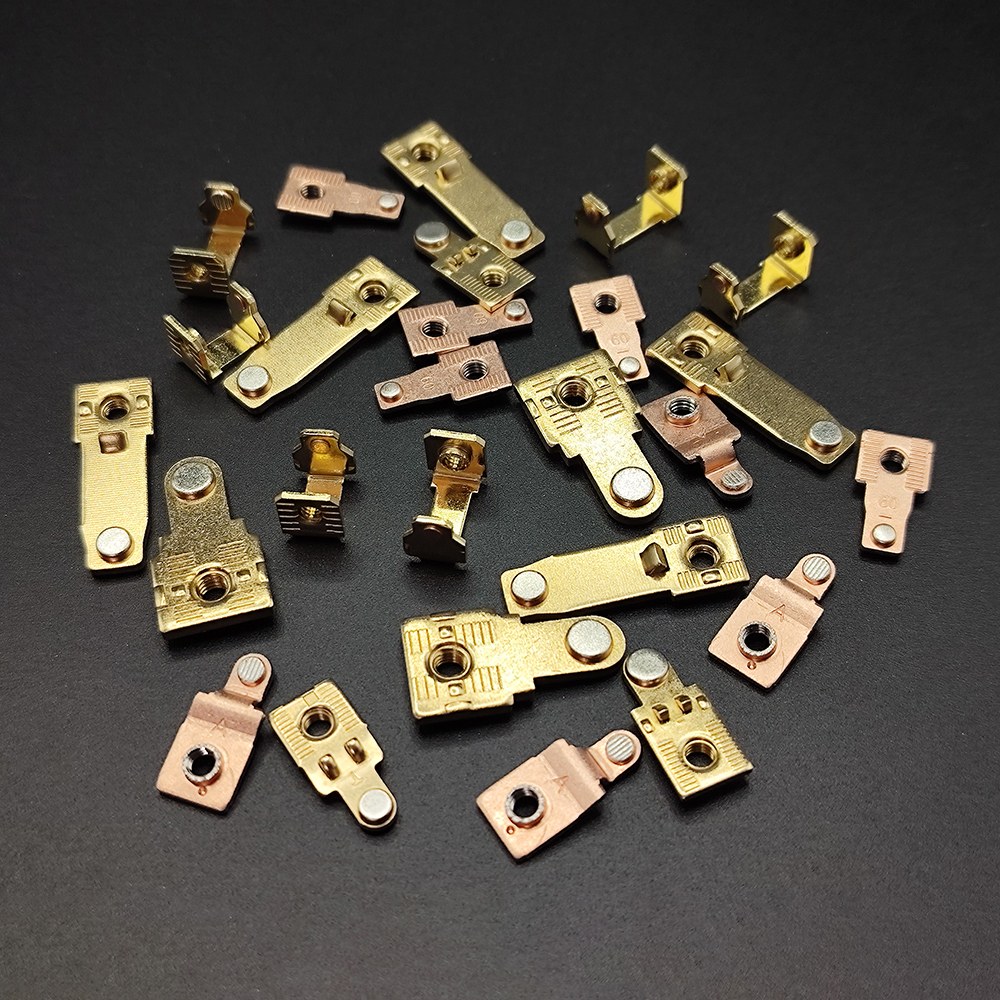
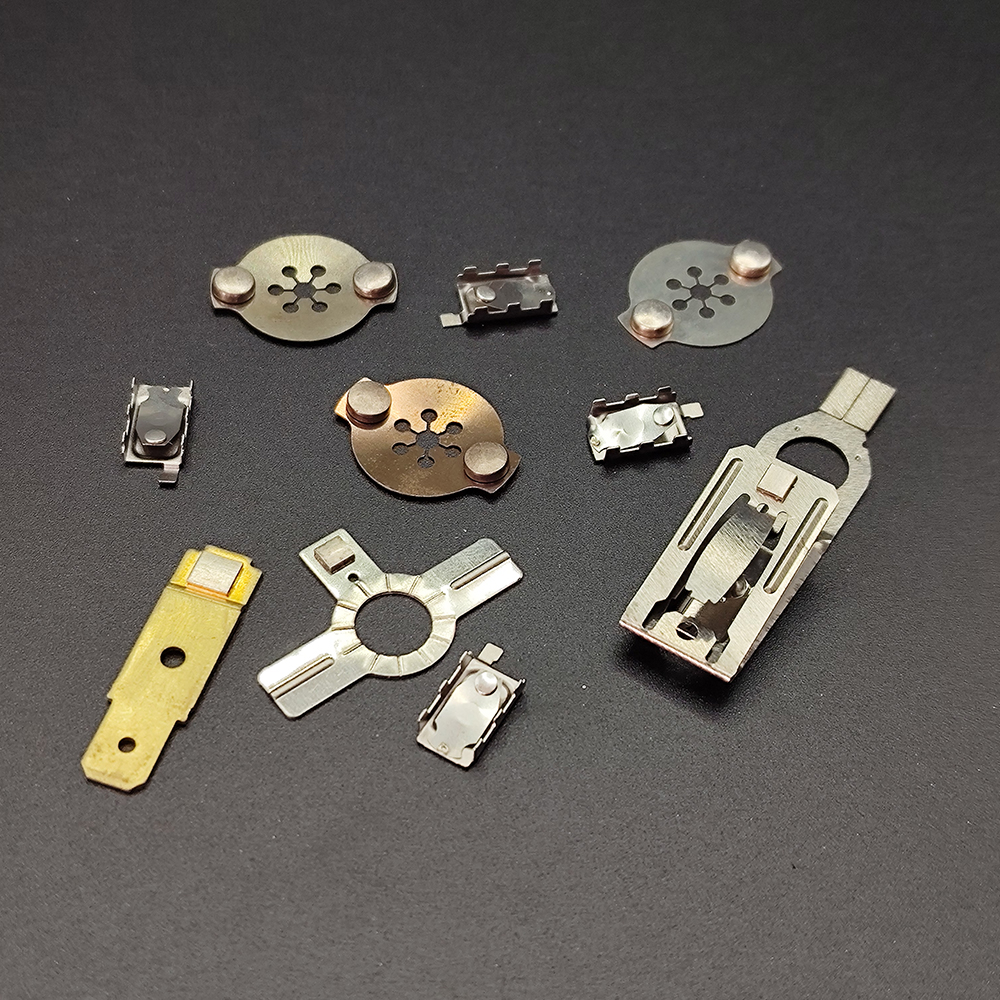
AgZnO Cold-heading Contact Rivet Full Product Series
Explore our comprehensive range of silver zinc oxide contact rivet products and assemblies — engineered and manufactured to meet the most demanding electrical switching requirements worldwide.

Ready to Source Premium AgZnO Cold-heading Contact Rivets?
Partner with NMT for industry-leading Silver Zinc Oxide contact rivet solutions — custom compositions, OEM/ODM capabilities, and global supply chain support.
Get a Custom Quote Today