
AgNi Contact Solutions For Automotive & DC Relay Systems
Explore our precision-engineered Silver Nickel contact product lines optimized for high-inrush switching environments in automotive relays and DC contactors.

What Is Silver Nickel (AgNi) & Why It Leads in High-Inrush Applications
Superior Arc Resistance & Long Operational Life
Silver Nickel (AgNi) is a composite electrical contact material formed by dispersing nickel particles within a pure silver matrix. The nickel phase acts as an arc-resistant and anti-welding reinforcement, while the silver matrix ensures excellent electrical conductivity and thermal dissipation. This unique microstructure makes AgNi the preferred choice for high-inrush switching environments where peak currents can be 5–10× the rated value at the moment of contact closure.
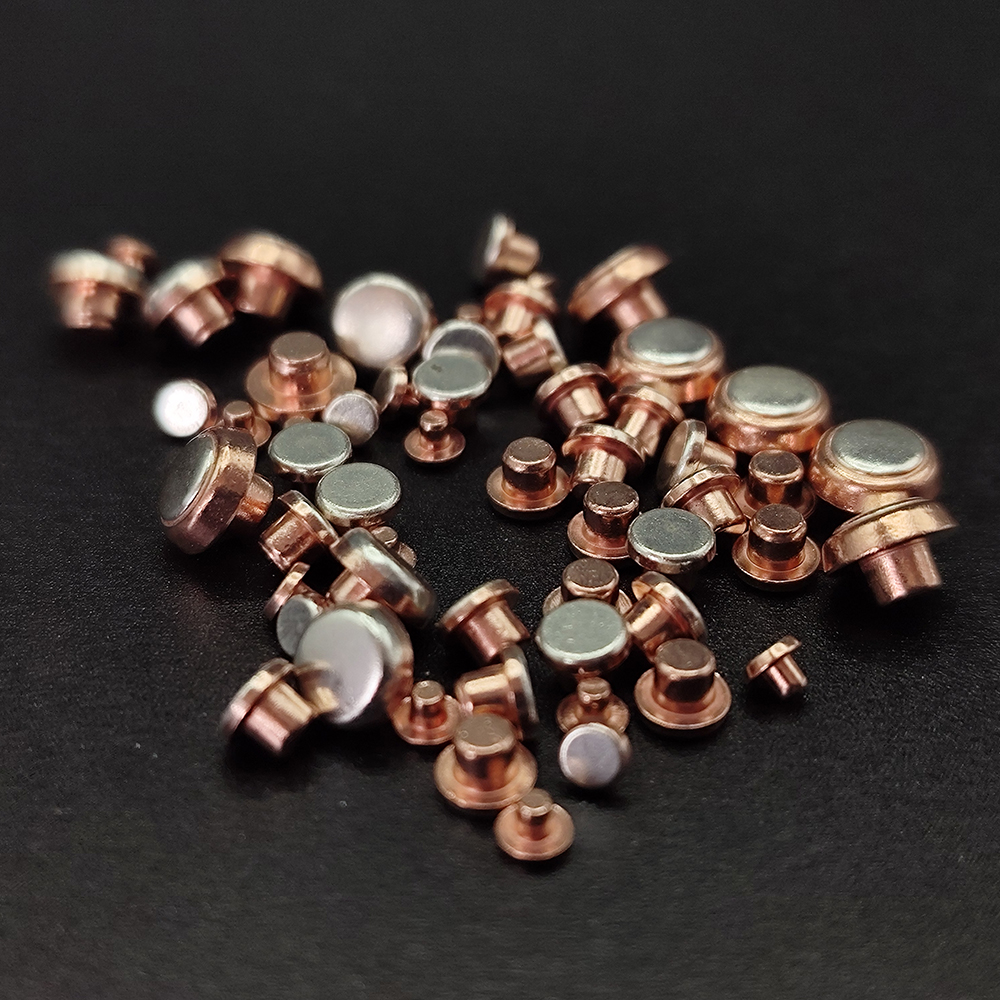
In automotive relays, particularly in starter motor circuits, EV battery management systems (BMS), and charging port relays, contacts must withstand repeated inrush currents without material transfer, welding, or excessive wear. AgNi (typically AgNi10 or AgNi15) provides precisely the balance of hardness, conductivity, and arc-erosion resistance needed for such demanding duty cycles.
DC contactors used in industrial motor drives, solar inverters, and EV charging infrastructure equally demand robust contact materials. The DC arc is inherently harder to extinguish than AC due to the absence of a natural current zero crossing — making AgNi's anti-arc properties critically important.
AgNi Performance Benchmarks
Market Status & Development Trends of AgNi in Automotive & Industrial DC Switching
The global electrical contact materials market is projected to exceed USD 1.8 billion by 2028, with Silver Nickel composites capturing an increasingly significant share driven by EV proliferation and industrial electrification.
EV & New Energy Vehicle Boom
Global EV sales surpassed 14 million units in 2023 and are forecast to reach 40 million by 2030. Each EV contains 60–120 relays and contactors for BMS, thermal management, charging, and power distribution — dramatically expanding AgNi demand. High-voltage platforms (800V architecture) intensify arc energy, requiring advanced AgNi formulations with optimized Ni content (10–15%) and grain refinement.
Industrial DC Contactor Growth
The rapid expansion of solar power, energy storage systems (ESS), and industrial DC motor drives is creating massive demand for DC contactors rated at 400–1500VDC. AgNi contacts outperform AgCdO alternatives in DC arc quenching and are RoHS-compliant — a critical factor as AgCdO faces tightening environmental regulations globally, accelerating market migration to AgNi and AgSnO₂ systems.
Material Innovation & Nanocomposites
Next-generation AgNi materials incorporate nano-structured nickel dispersoids and rare earth oxide additions (such as La₂O₃ and Y₂O₃) to further enhance arc erosion resistance, reduce contact welding tendency, and improve surface stability at elevated temperatures. These innovations are actively pursued by leading manufacturers including NMT to deliver higher-performance solutions for 48V mild-hybrid and full 800V EV architectures.
Eco-Friendly Transition
International regulations (EU RoHS Directive, China GB standards) are phasing out cadmium-containing contacts. AgNi presents a clean, cadmium-free alternative with excellent performance parity. Manufacturers adopting AgNi early gain regulatory compliance advantages and open access to European and North American automotive supply chains that mandate cadmium-free component sourcing.
Smart Manufacturing & Precision Processing
Advanced powder metallurgy, internal oxidation, and co-extrusion processes now enable tighter dimensional tolerances (±0.01mm) and consistent microstructure distribution in AgNi contact blanks. Automated optical inspection (AOI) and real-time SPC quality monitoring ensure batch-to-batch consistency critical for Tier-1 automotive relay OEM requirements and high-volume DC contactor production lines.
Global Supply Chain Localization
Post-pandemic supply chain resilience strategies are driving automotive OEMs to diversify contact material sourcing. Established China-based manufacturers like NMT — with vertically integrated production from precious metal processing to finished assemblies — offer strategic sourcing advantages combining cost competitiveness, technical depth, and responsive lead times for both high-volume standard and customized AgNi contact solutions.
In-Depth Application Scenarios: AgNi in Automotive Relays & DC Contactors
From EV battery systems to industrial automation, Silver Nickel contact materials are enabling the next generation of high-performance switching solutions across critical electrification industries.
EV Battery Management System (BMS) Relays
Main contactors in EV BMS must handle inrush currents of 500–2000A during vehicle startup and charging. AgNi15 contacts provide minimal material transfer, anti-welding properties at high temperatures, and stable low contact resistance over the vehicle lifetime exceeding 300,000 switching operations — meeting IATF16949 and AEC-Q200 requirements.
DC Fast Charging Station Contactors
DC fast chargers (150–350kW) require contactors rated at 500–1500VDC with frequent make/break operations. The persistent DC arc demands AgNi contacts with optimized arc quenching geometry and superior hardness to prevent contact deformation under repeated high-energy switching. AgNi10 composites demonstrate exceptional performance stability in this scenario across 50,000+ charge cycles.
Automotive Starter Motor & Alternator Relays
Conventional 12V/24V vehicle starter solenoids experience the most severe inrush transients — typically 400–800A for 0.5–2 seconds per engine start. AgNi contacts in these relays must resist impact welding and maintain reliable circuit breaking over the vehicle's 10–15 year service life, requiring precisely controlled Ni particle size distribution for uniform current conduction and arc interruption.
Solar Inverter & Energy Storage Contactors
Utility-scale solar arrays and grid-connected ESS use DC contactors at 1000–1500VDC. The long-arc characteristic at these voltages makes contact material selection critical. AgNi composites with enhanced arc-erosion resistance and low contact bounce minimize switching transients that could disrupt power electronics upstream, while maintaining IEC 60947 compliance for industrial switchgear.
Industrial Motor Drive Contactors
Variable frequency drives (VFDs) and motor starters in manufacturing environments involve capacitive inrush currents at startup. AgNi contacts in these contactors provide the mechanical robustness to withstand the impact forces of high-speed contact closure, while the nickel dispersion phase dissipates arc energy without material bridging — extending maintenance intervals and reducing total lifecycle cost.
48V Mild Hybrid System Relays
The emerging 48V mild hybrid architecture (ISG/BSG systems) uses relays for regenerative braking energy management and start-stop integration. These relays operate at higher frequencies and currents than conventional 12V systems. AgNi contacts in 48V relay modules balance the competing demands of low contact resistance for efficiency and high arc resistance for reliability — a performance space uniquely suited to engineered AgNi composites.
AgNi vs Alternative Contact Materials: Technical Comparison
Quality Control & Professional Certifications
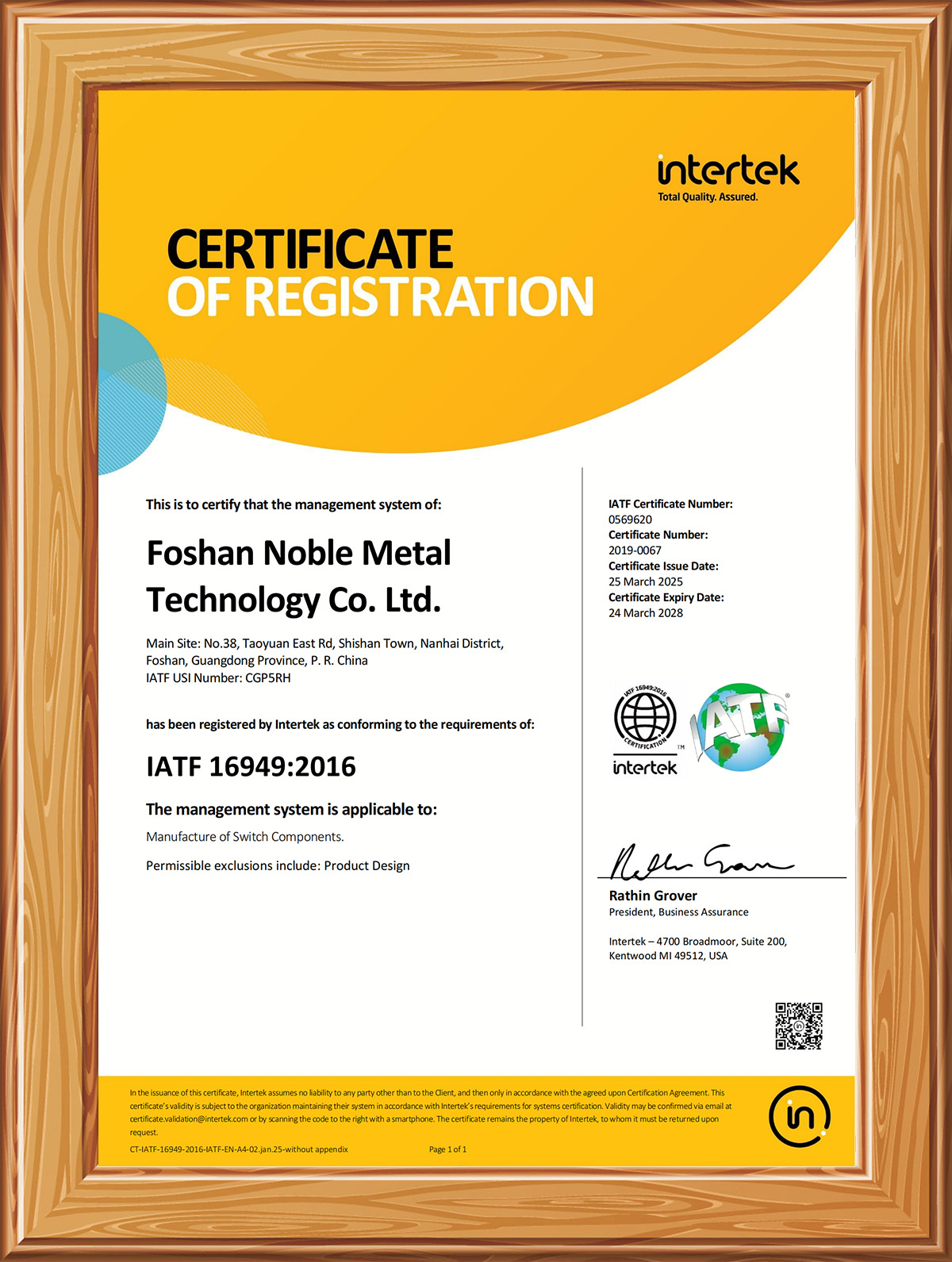
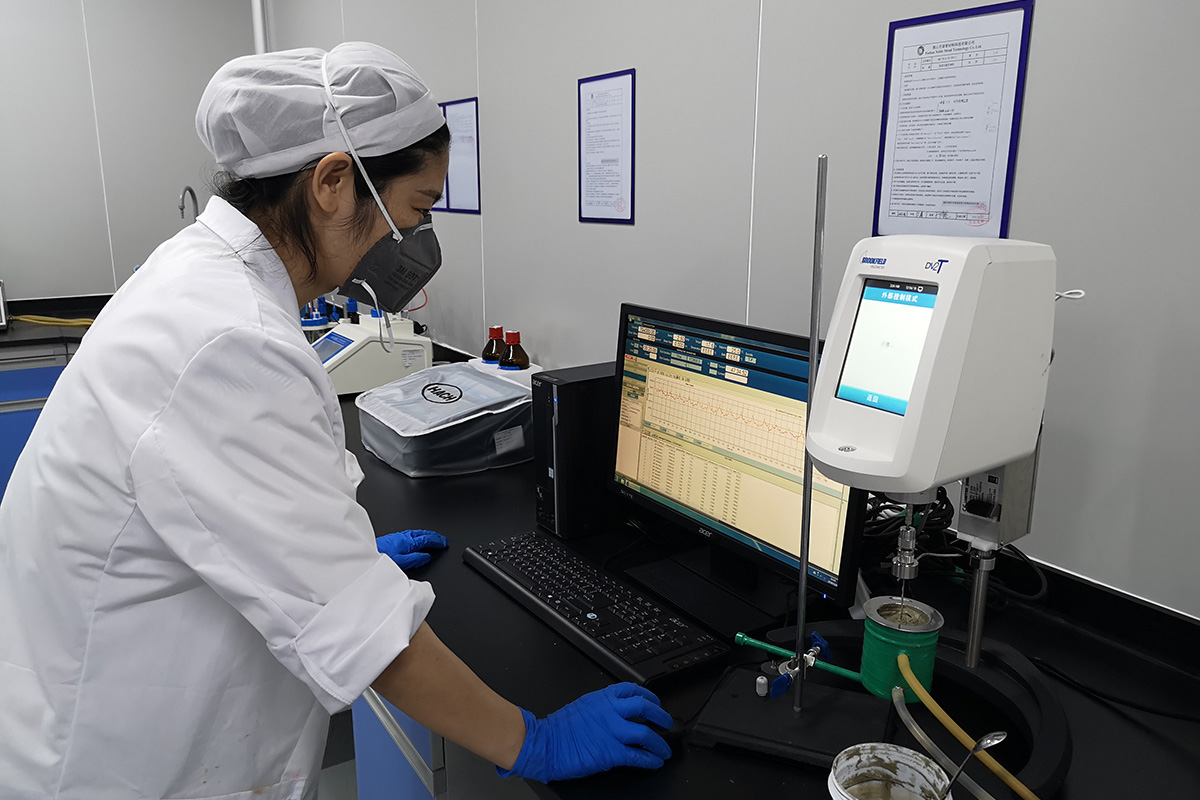
Rigorous QC Ensuring Automotive-Grade Reliability
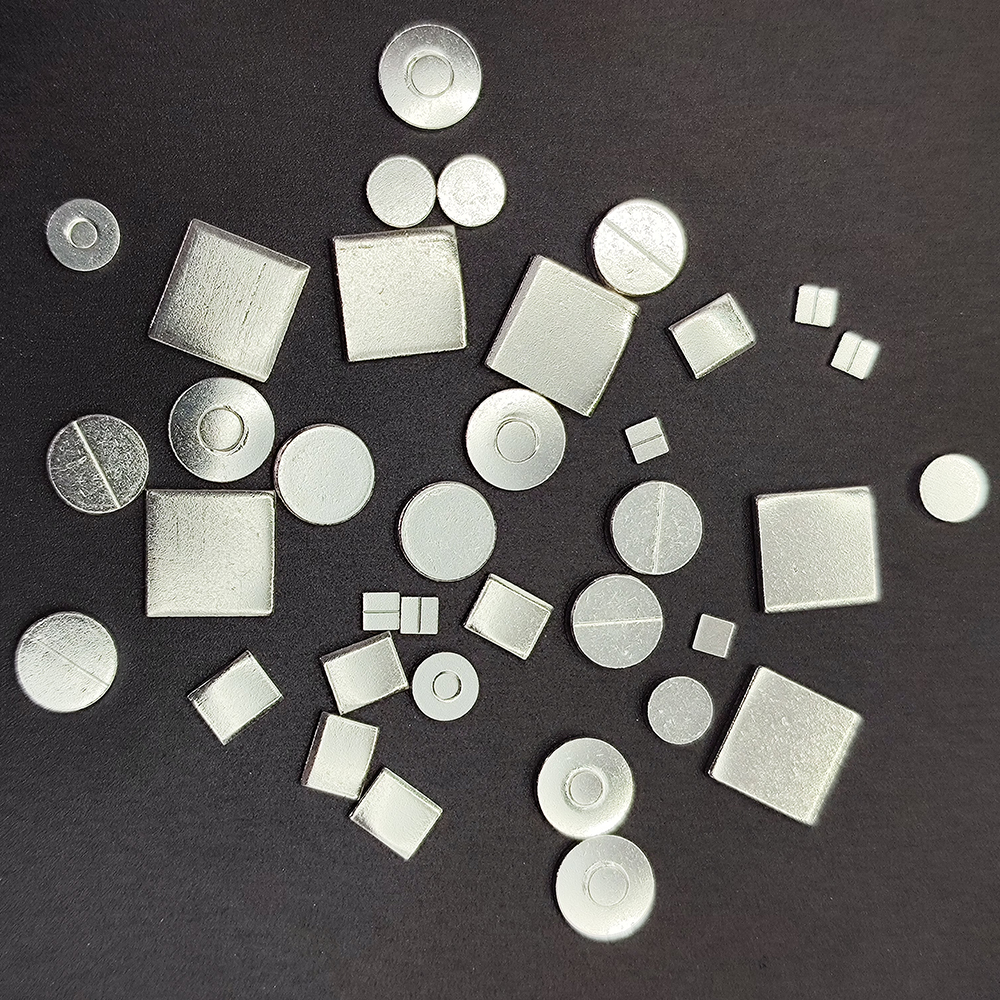
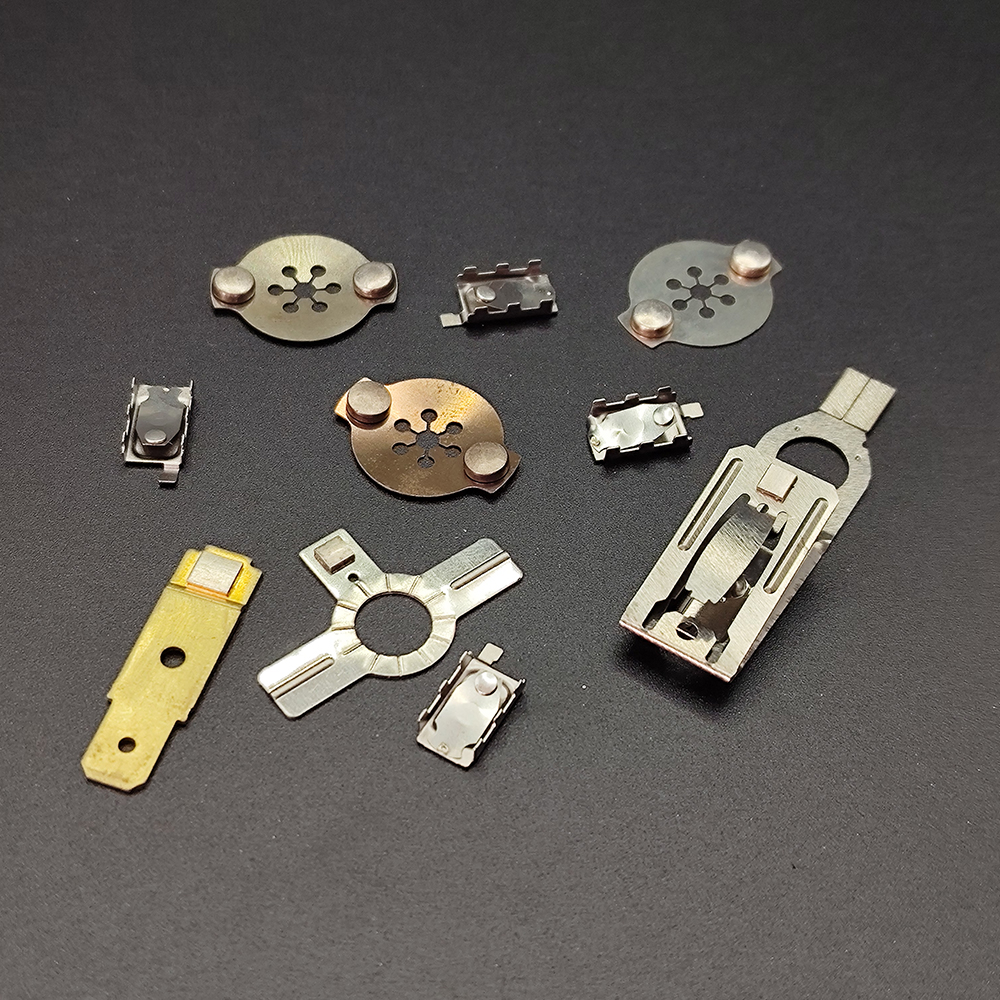
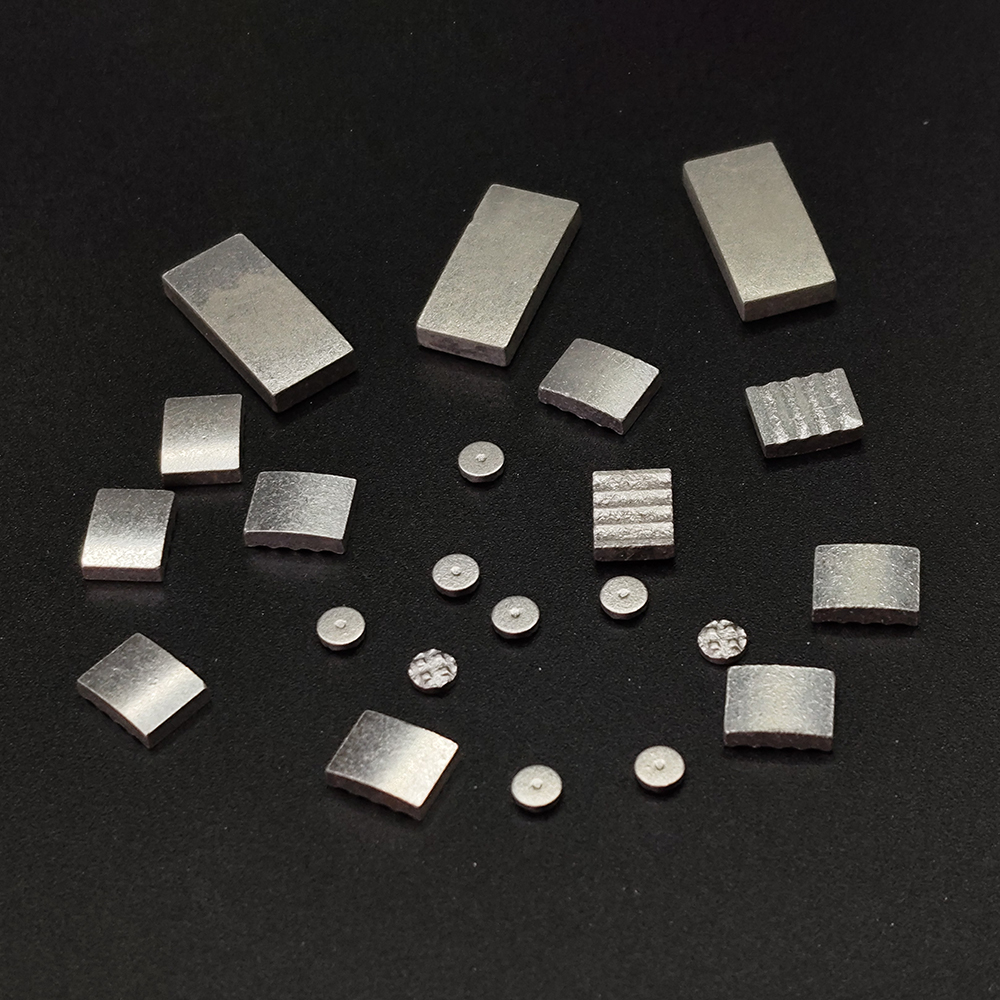
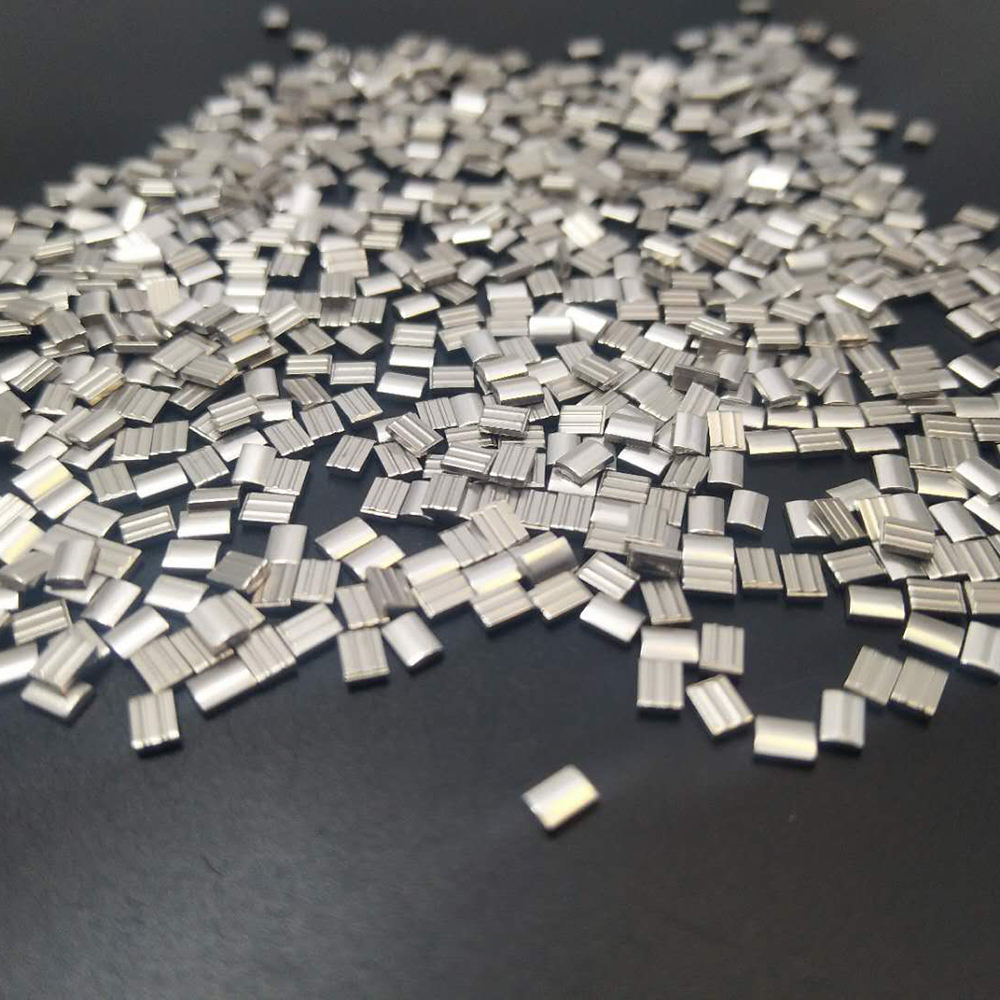
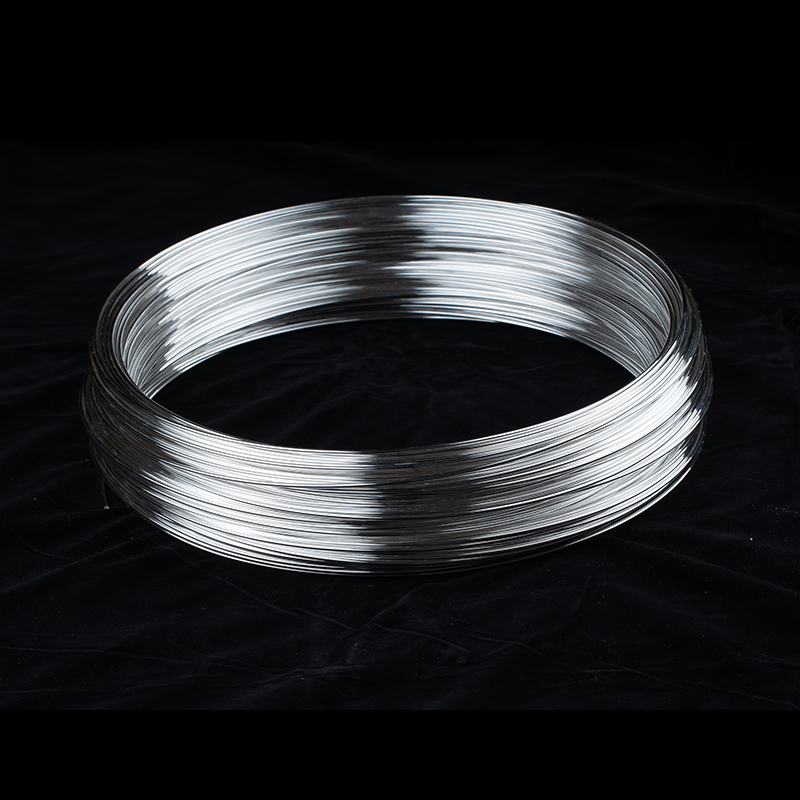
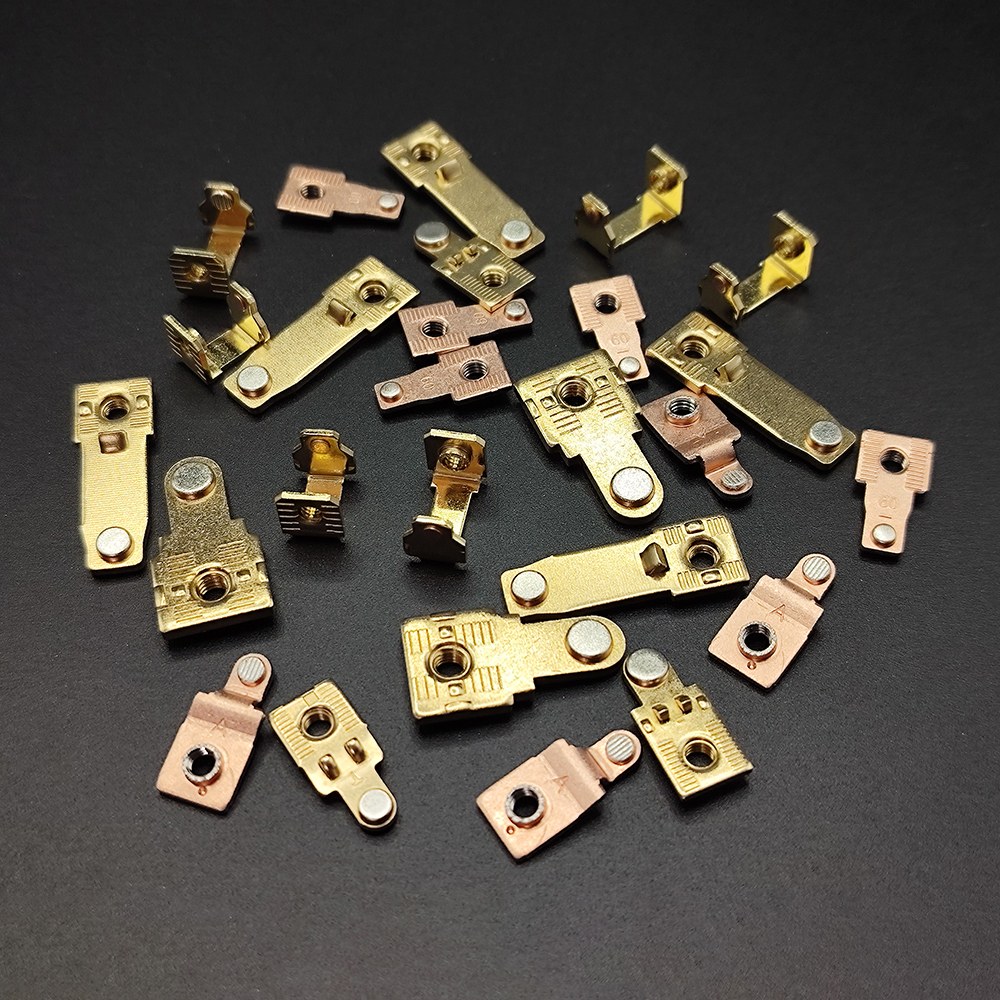
Our business covers a wide range of areas, including contact materials in the form of powder, wire, composite strip and profiles. We also offer contact components, such as tips and rivets, and contact assemblies, which include welded and stamped components. In addition, we have a series of silver paste products. These comprehensive offerings enable us to provide our customers with integrated and cost-effective solutions while ensuring complete manufacturing and quality control.
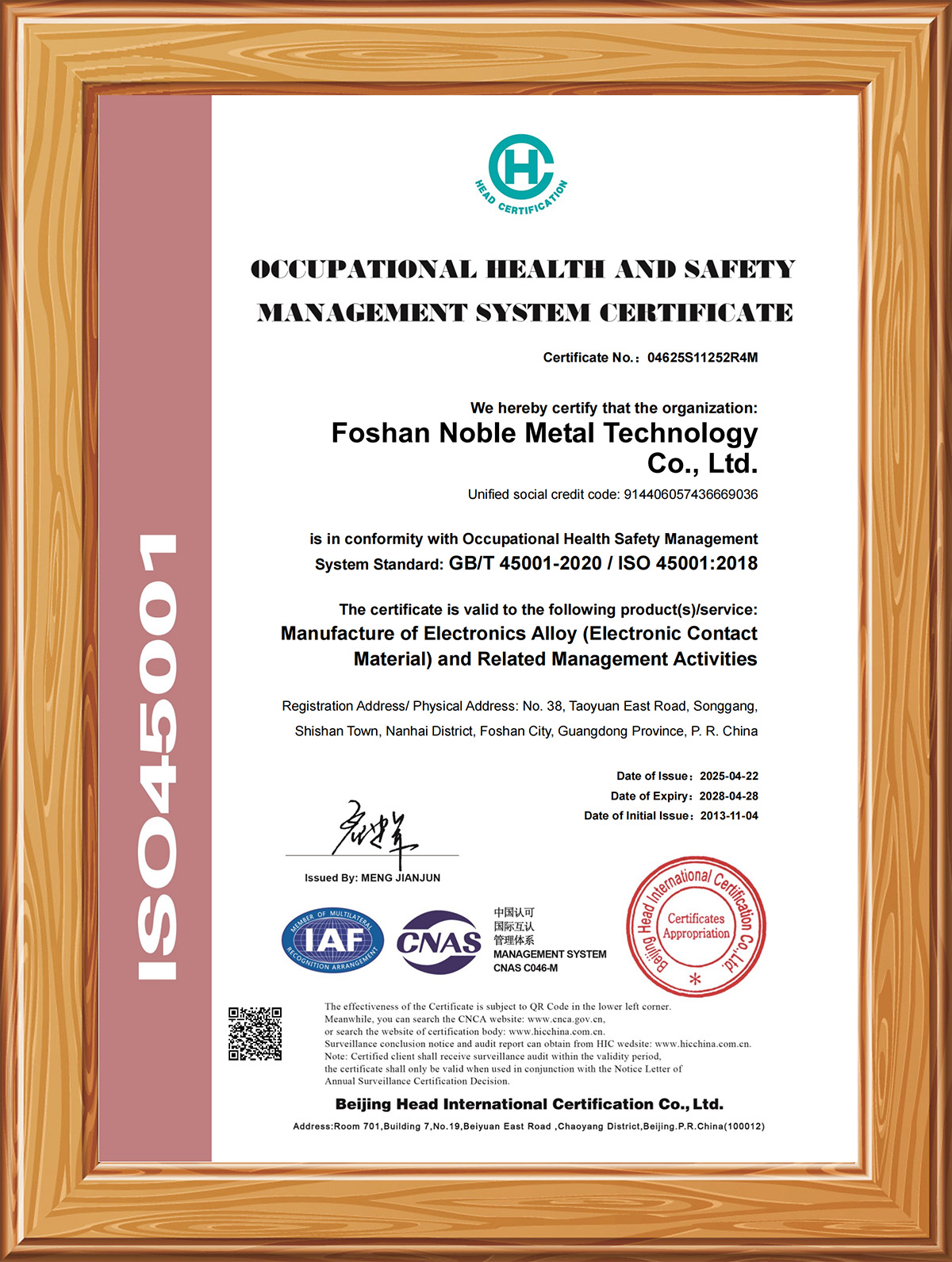
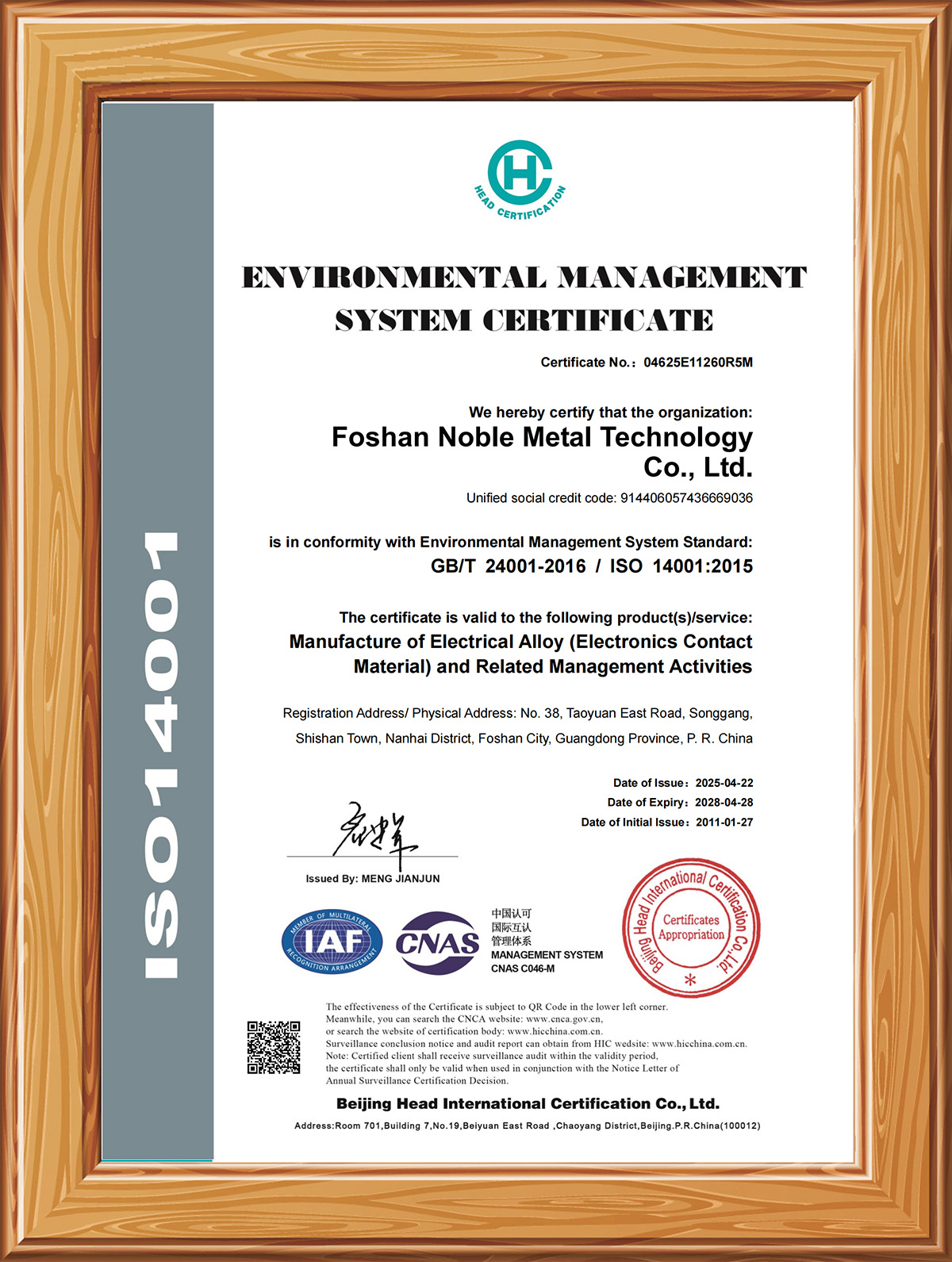
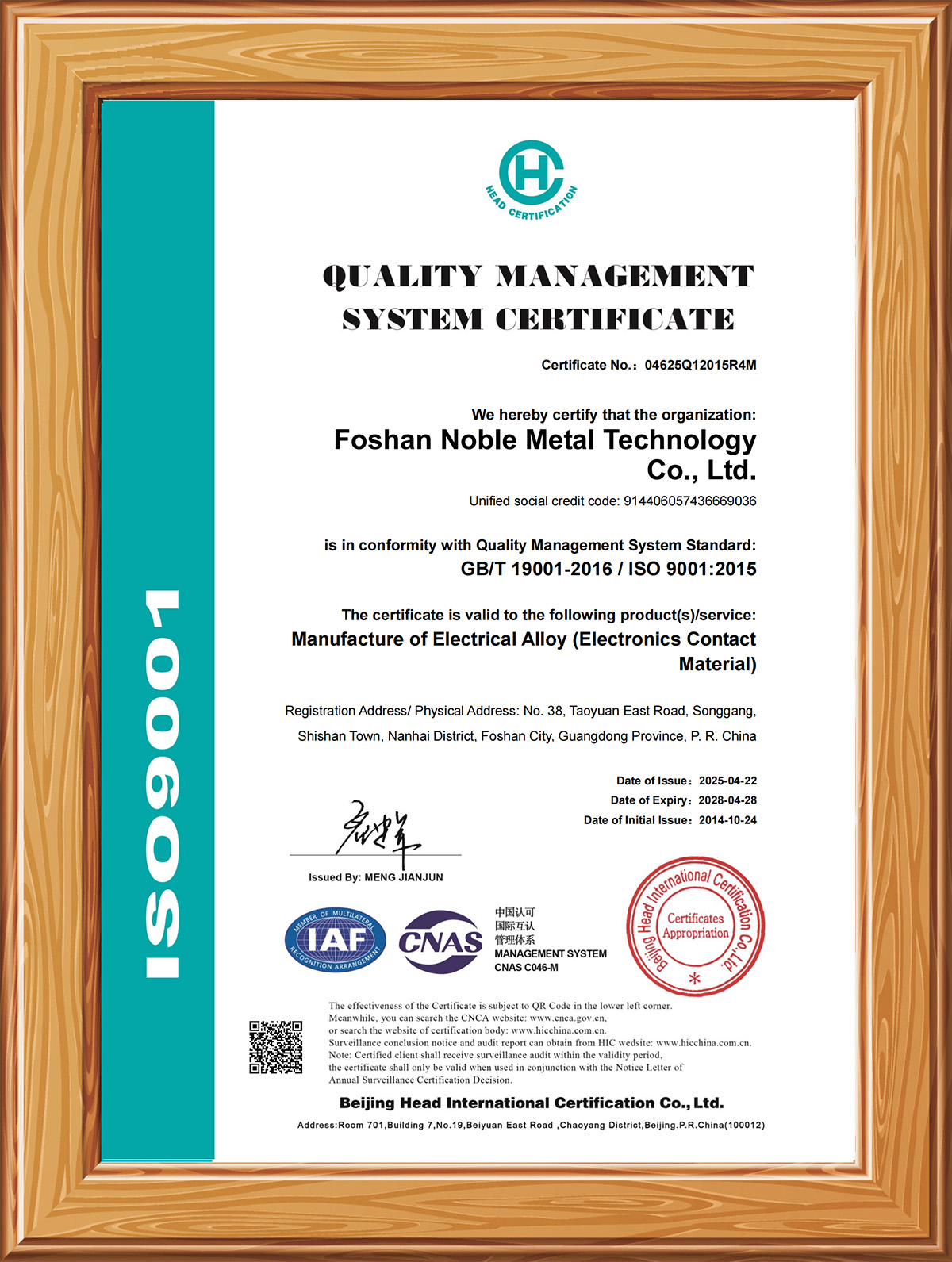
Every batch of AgNi contact material undergoes comprehensive characterization including: chemical composition analysis (ICP-OES), microstructural evaluation (SEM/EDS), hardness testing (Vickers), electrical resistivity measurement, and simulated switching endurance tests replicating automotive relay duty cycles. Statistical process control (SPC) is applied at every critical production step, ensuring zero-defect delivery aligned with IATF16949 quality management principles.
Company Profile
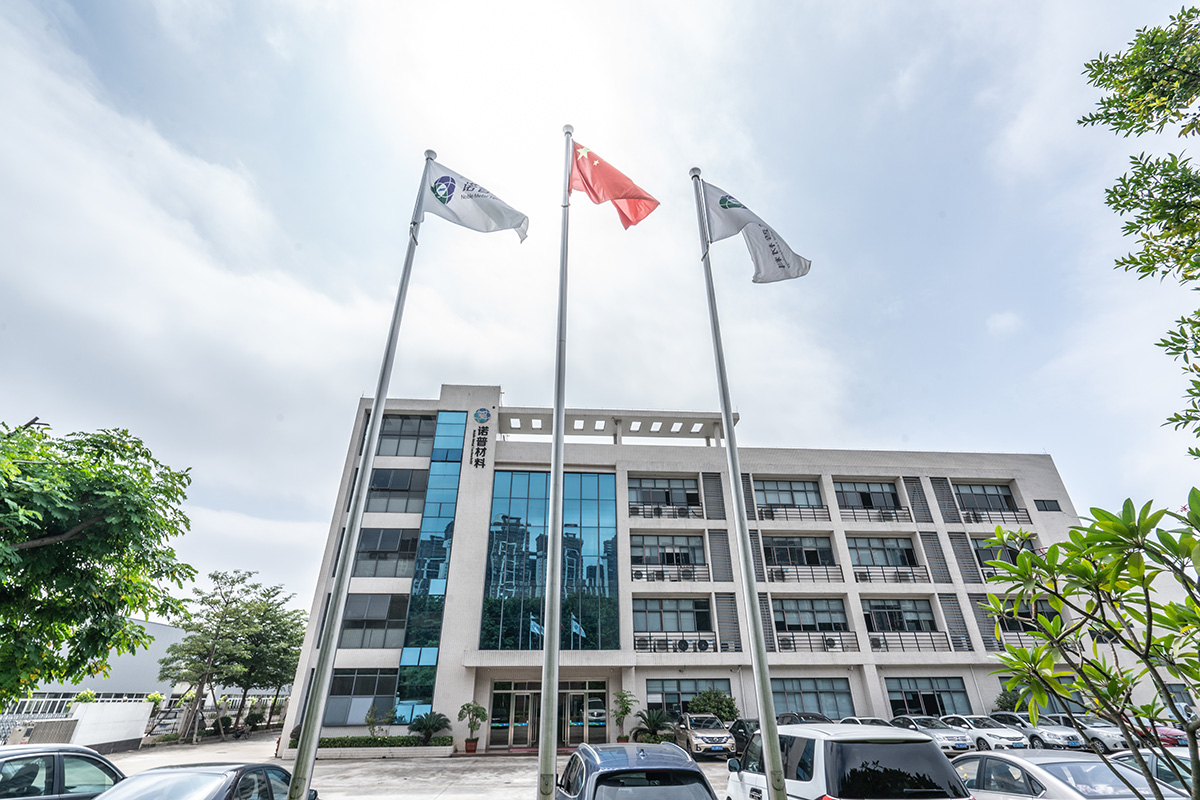
Foshan Noble Metal Technology Co., Ltd. (NMT)
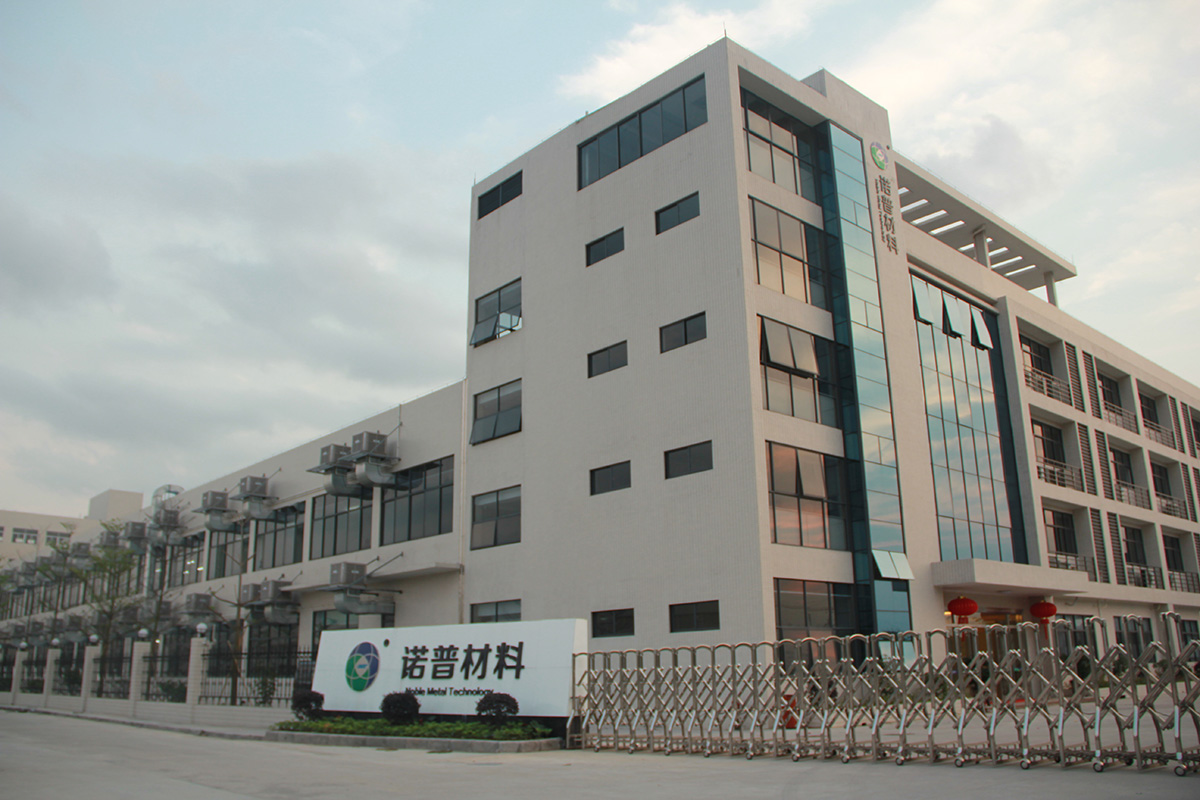
Foshan Noble Metal Technology Co., Ltd. (known as NMT) is a leading high-tech enterprise specializing in the development and manufacture of silver-based electrical contact composite materials, components and assemblies for various electrical and electronic applications. Our headquarter is located in Foshan with state-of-the-art facilities.
NMT has obtained National Invention Patent of "AgSnO₂In₂O₃ electric contact composite material and its manufacture processes" in 2008. Through our expert know-hows and strong technical team, NMT has further developed AgSnO₂ alloy materials with different compositions and innovative processes, which results in better performance and boarder range of its application. Additionally NMT has also developed various range of silver-based electrical contact materials such as AgNi, AgZnO and AgCu etc., which may offer our customer more options in their applications.
NMT has kept investing in R&D and following up the most up-to-date techniques and applications via cooperation and exchange with customers and research organizations, which drive NMT to deliver more innovative, eco-friendly and high-quality solutions to our customers.
We continually strive to enhance our products, expand our capabilities and improve our manufacturing processes. By doing so, we can continue to provide our customers with cutting-edge solutions to meet the changing needs. NMT is a trusted supplier of silver-based electrical contact materials, components and assemblies. With our strong technical team, broad product range and commitment to innovation, we have the ability to provide customers with integrated and reliable solutions.
Innovative R&D Driving AgNi Contact Technology Forward
NMT's dedicated R&D team continuously pushes the boundaries of Silver Nickel composite technology, developing next-generation AgNi formulations tailored for the evolving demands of automotive electrification and industrial DC power systems.


Complete AgNi & Silver-Based Contact Product Range
Discover NMT's full portfolio of silver-based electrical contact materials and assemblies engineered for high-inrush automotive relays, DC contactors, and advanced switching applications.
Partner With NMT for Advanced AgNi Contact Solutions
Whether you are designing next-generation EV relay systems, industrial DC contactors, or high-inrush automotive switching assemblies — NMT's engineering team is ready to deliver customized Silver Nickel contact materials and assemblies that exceed your performance requirements.
Explore Our Full Product Range →