
Silver-Metal Oxide Contact Solutions
From precision-stamped copper substrates to high-purity silver brazing pastes, our core product lineup delivers proven performance in cost-sensitive relay and consumer electronics environments.
What Are Silver-Metal Oxides?
Silver-metal oxide (Ag-MeO) composite materials are a class of advanced electrical contact materials in which fine oxide particles — most commonly tin oxide (SnO₂), zinc oxide (ZnO), indium oxide (In₂O₃), or combinations thereof — are dispersed uniformly within a silver matrix. This heterogeneous microstructure combines silver's exceptional electrical conductivity with the arc-resistant, hardness-enhancing and thermally stable properties of the metal oxide phase.
The result is a contact material that dramatically outperforms pure silver in terms of arc erosion resistance, contact welding resistance, and operational lifetime, while maintaining the low contact resistance essential for reliable switching. These properties make silver-metal oxides the material of choice wherever cost, performance and miniaturization must be balanced simultaneously.
Key Electrical AdvantageUnlike refractory metal contacts (W, Mo), silver-metal oxides retain near-silver electrical conductivity — typically 20–50% IACS — enabling ultra-low contact voltage drop critical in low-power consumer devices and miniaturized relay coils.
The dominant systems commercially deployed today include AgSnO₂ (silver tin oxide), AgZnO (silver zinc oxide), and AgNi (silver nickel), each tailored for specific voltage ranges, current loads, atmospheric conditions and switching frequencies encountered in consumer electronics and relay applications.
AgSnO₂ — The Premium StandardSilver tin oxide contacts demonstrate superior anti-welding behavior and arc erosion resistance under AC loads. Their stable oxide layer at the contact interface prevents material transfer and ensures consistent contact resistance over millions of switching cycles — ideal for miniaturized PCB relays in home appliances and IoT devices.
AgZnO — Cost-Optimized SolutionSilver zinc oxide provides excellent hardness and anti-welding performance at lower raw-material cost than AgSnO₂, making it the preferred solution for price-sensitive mass-market consumer electronics such as wall switches, thermostats, circuit breakers and automotive body relays.
AgNi — Low-Current Precision ContactsSilver nickel composites are formulated for low-energy switching applications where minimal contact voltage drop and long mechanical life are paramount — widely used in signal relays, sensor circuits and telecommunication switching equipment.
Global Demand for Silver-Metal Oxide Contacts
The electrical contact materials market continues to expand, driven by accelerating smart home adoption, EV proliferation and industrial automation — all heavily reliant on silver-metal oxide switch contacts.
Key Trends Driving Silver-Metal Oxide Adoption
Multiple converging macro trends are reshaping procurement strategy and performance requirements for silver-metal oxide contacts in consumer electronics and relay manufacturing sectors worldwide.
Smart Home & IoT Explosion
The global smart home device installed base is forecast to exceed 1.8 billion units by 2028. Each smart switch, smart plug and connected appliance requires miniaturized relay contacts capable of millions of actuations. AgSnO₂ and AgZnO contacts provide the electrical endurance these devices demand while remaining cost-competitive at consumer price points.
Electric Vehicle Relay Demands
Battery management systems (BMS), on-board chargers and DC-DC converters in EVs require specialized small relay contacts rated for high-cycle operation under DC arc conditions. Modified AgSnO₂ formulations with tailored oxide grain sizes are being optimized specifically for the DC switching environment of 48V and 400V EV architectures.
RoHS Compliance & Eco Innovation
Stricter global environmental regulations are driving replacement of cadmium-bearing contacts (AgCdO) with RoHS-compliant AgSnO₂ and AgZnO equivalents. This regulatory shift is structurally expanding the addressable market for eco-friendly silver-metal oxide materials across all consumer electronics categories.
5G Infrastructure Buildout
5G base station rollout requires billions of signal relay contacts for antenna switching, beamforming circuits and power management. The ultra-low contact resistance and stable performance of AgNi and low-oxide AgSnO₂ grades position them as preferred materials for 5G telecom relay applications globally.
Industrial Automation & IIoT
Industry 4.0 is multiplying relay switch counts in PLCs, motor control centers, and sensor networks. Industrial-grade silver-metal oxide contacts in miniaturized relay packages deliver the mechanical durability and arc interruption performance required for 24/7 factory-floor operation in harsh environments.
Miniaturization & High-Density PCB
PCB-mounted relay footprints continue to shrink as designers push component density higher. Advanced powder metallurgy and extrusion processes enable silver-metal oxide contacts to be formed into ultra-small rivet and tip geometries — down to 0.8 mm contact diameters — without sacrificing arc erosion resistance or electrical performance.
Silver-Metal Oxide Application Scenarios in Consumer Electronics & Small Relays
Understanding specific end-use scenarios is essential for selecting the right silver-metal oxide grade and contact geometry. Here we analyze the most commercially significant applications in depth.
PCB Power Relays in Home Appliances
Washing machines, dishwashers, air conditioners and refrigerators all rely on PCB-mounted power relays to switch compressor motors, heating elements and fan circuits. AgSnO₂ rivet contacts are the dominant choice for these relays due to their superior anti-welding characteristics under inrush currents up to 8× rated load current, ensuring appliance safety and service life exceeding 100,000 cycles.
Smart Plugs & Connected Switches
Wi-Fi and Zigbee-controlled smart plugs are sold in volumes exceeding 500 million units annually worldwide. Each unit incorporates one or two miniature power relay contacts — typically AgZnO rivets — that must survive frequent on/off cycling over product lifetimes of 5–10 years. Cost optimization is critical: AgZnO provides the right performance-price balance for this mass-market segment.
Thermostats & HVAC Control Relays
Residential and commercial HVAC thermostats switch compressor and fan motor circuits millions of times over building lifetimes. AgSnO₂ contacts in SPDT and DPDT relay configurations handle inductive loads cleanly, with stable contact resistance below 50 mΩ throughout their service life — directly impacting HVAC system energy efficiency and reliability.
Battery Management & Charging Systems
Lithium-ion battery packs in power tools, e-bikes and energy storage systems require pre-charge relays and main contactors. While large contactors use heavier AgSnO₂ tips, the auxiliary and signal relay contacts within BMS circuits leverage AgNi materials for their low contact resistance — critical for accurate voltage and current sensing in battery protection circuits.
Consumer AV & White Goods Power Switching
Televisions, audio amplifiers and multimedia receivers use signal and power relays for audio muting, standby power switching and input selector functions. AgNi contacts provide the ultra-clean signal paths required in audio circuits while AgSnO₂ handles the power switching duties — both in compact relay packages sized for high-density PCB layouts.
Industrial Control Relays & PLCs
Programmable logic controllers in automated production lines use hundreds of intermediate relays with AgSnO₂ or AgCu contact assemblies rated for 10–16A at 250V AC. The superior arc interruption of AgSnO₂ in these high-cycling applications translates directly to reduced downtime and lower maintenance costs — a compelling total-cost-of-ownership argument for plant engineers.
Automotive Body & Comfort Relays
Body control modules in modern vehicles incorporate 20–40 small relays managing windows, wipers, lighting, seat actuators and door locks. AgZnO contacts in these relays are optimized for 12V DC loads with moderate inrush, delivering the switching reliability automakers require while meeting IATF 16949 quality system standards for automotive supply chains.
Telecommunications & Signal Relays
Signal routing relays in telecom switching equipment, test & measurement instruments and medical electronics demand the lowest possible contact resistance and thermal EMF. Fine-grain AgNi10 contacts in hermetically sealed relay packages address these requirements, maintaining contact resistance below 10 mΩ across billions of switching operations in controlled environments.
Silver-Metal Oxide Material Comparison
Selecting the right silver-metal oxide grade requires careful evaluation of electrical, mechanical and economic parameters against the specific switching duty of each application.
| Material | Electrical Conductivity | Arc Erosion Resistance | Anti-Welding | Contact Resistance | Relative Cost | Primary Application |
|---|---|---|---|---|---|---|
| AgSnO₂ | 20–30% IACS | ⭐⭐⭐⭐⭐ | ⭐⭐⭐⭐⭐ | Low–Medium | Medium | Home appliance relays, smart home, HVAC |
| AgSnO₂In₂O₃ | 18–28% IACS | ⭐⭐⭐⭐⭐ | ⭐⭐⭐⭐⭐ | Low | Medium-High | High-performance relays, industrial switching |
| AgZnO | 25–40% IACS | ⭐⭐⭐⭐ | ⭐⭐⭐⭐ | Low | Low-Medium | Smart plugs, wall switches, automotive body |
| AgNi | 40–55% IACS | ⭐⭐⭐ | ⭐⭐⭐ | Very Low | Low | Signal relays, telecom, low-current AV circuits |
| AgCu | 45–60% IACS | ⭐⭐⭐ | ⭐⭐⭐ | Very Low | Low | Low-voltage signal contacts, reed relays |
Company Profile
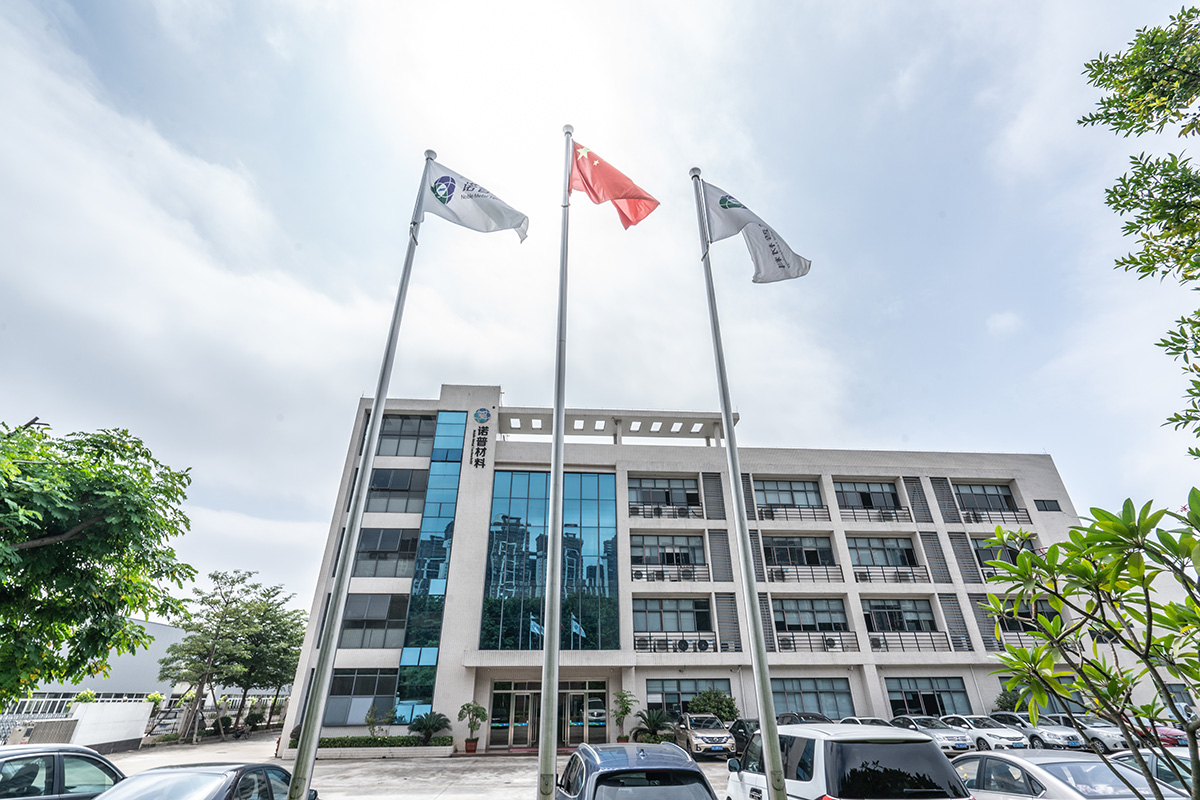
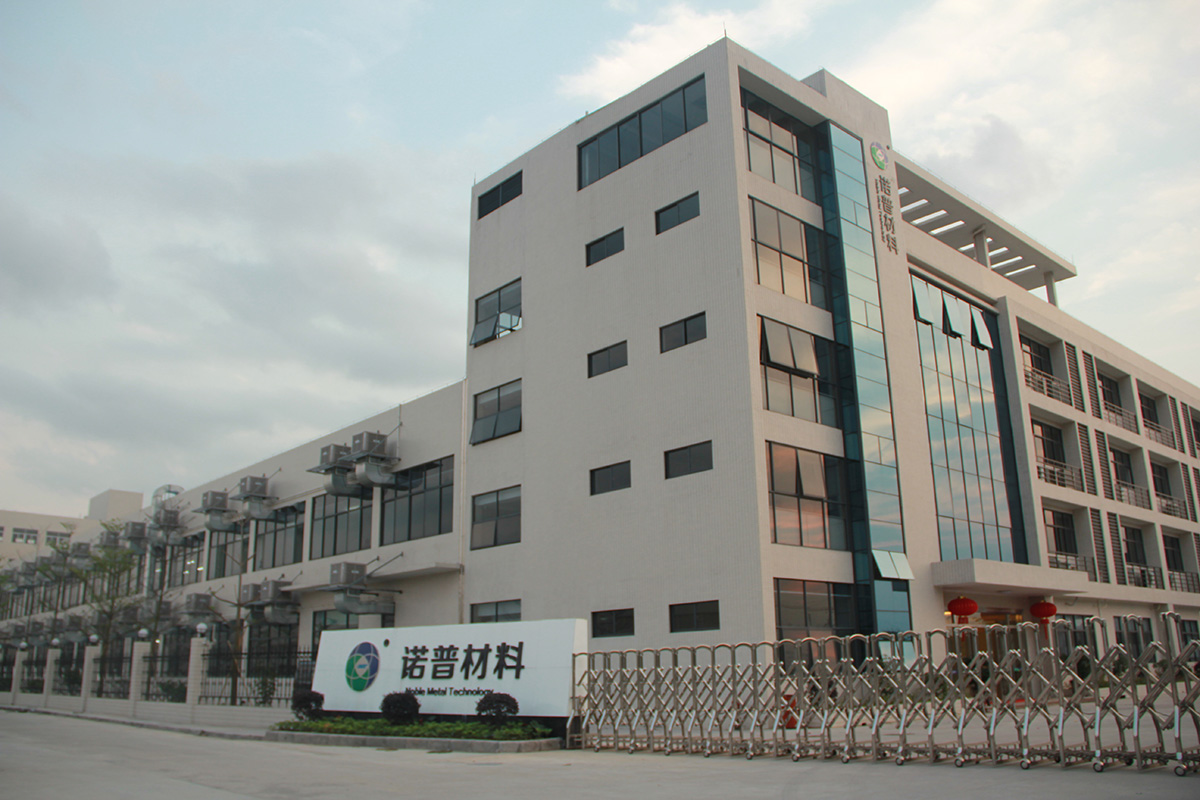
Foshan Noble Metal Technology Co., Ltd. (known as NMT) is a leading high-tech enterprise specializing in the development and manufacture of silver-based electrical contact composite materials, components and assemblies for various electrical and electronic applications. Our headquarter is located in Foshan with state-of-the-art facilities.
As a trusted global supplier, NMT serves relay manufacturers, consumer electronics OEMs, low-voltage apparatus producers and industrial automation companies across more than 30 countries. Our vertically integrated manufacturing capability — from raw powder metallurgy through finished contact assembly — enables us to deliver cost-optimized, high-quality solutions with short lead times and full traceability.
National Invention Patent HolderNMT obtained the National Invention Patent for "AgSnO₂In₂O₃ electric contact composite material and its manufacture processes" in 2008 — establishing our position at the technological frontier of silver-metal oxide contact development.
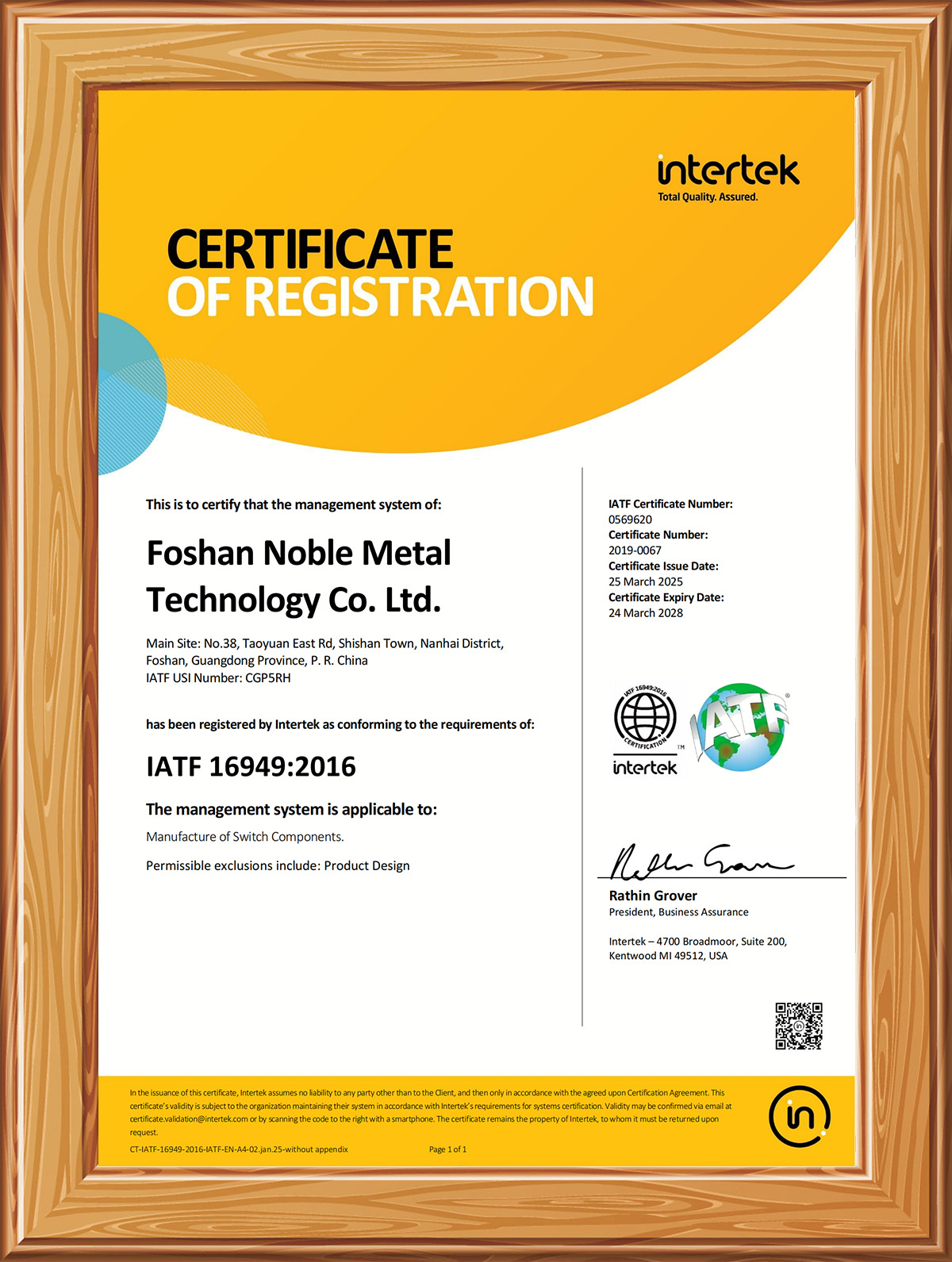
Professional Certificates
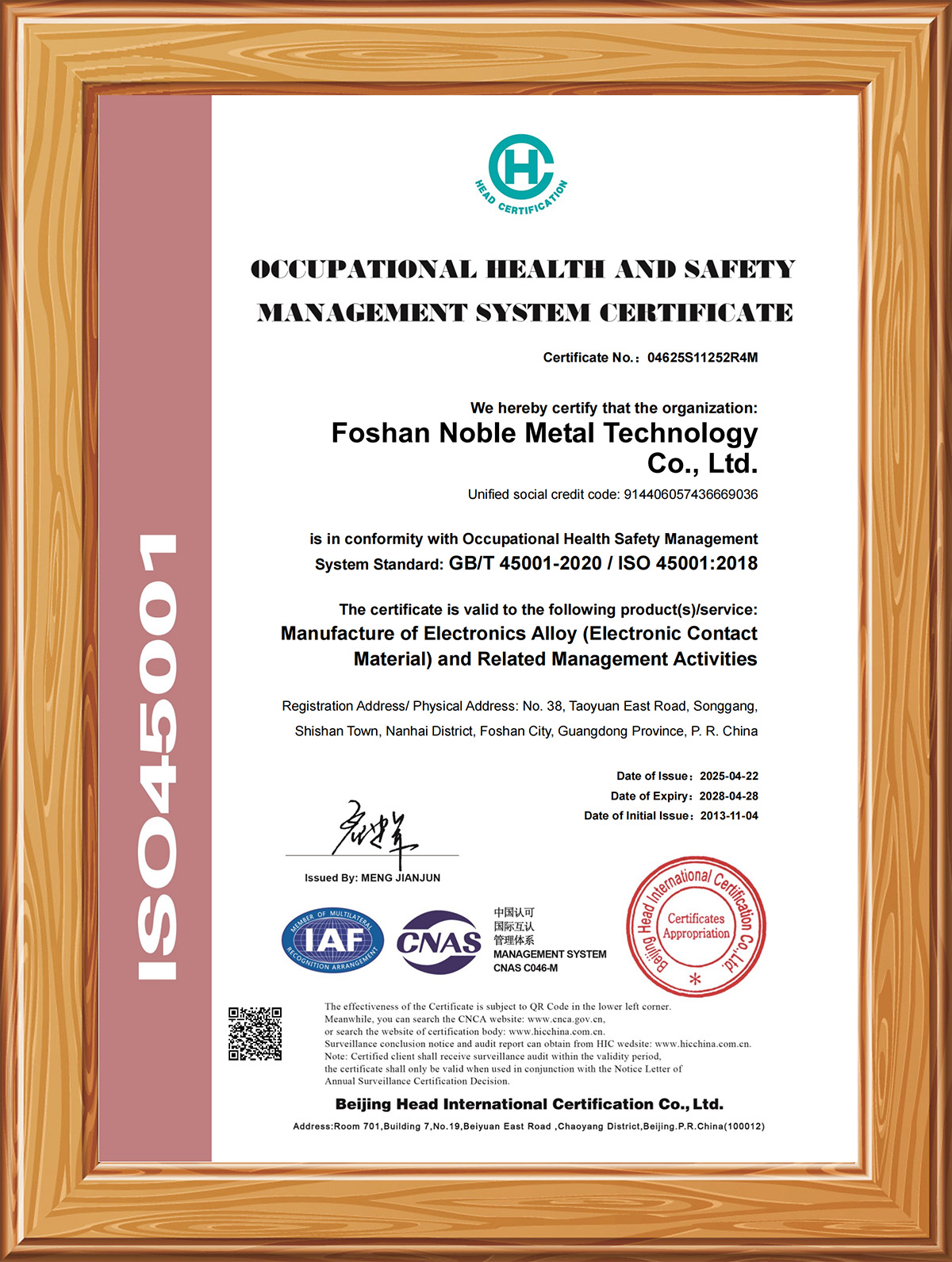
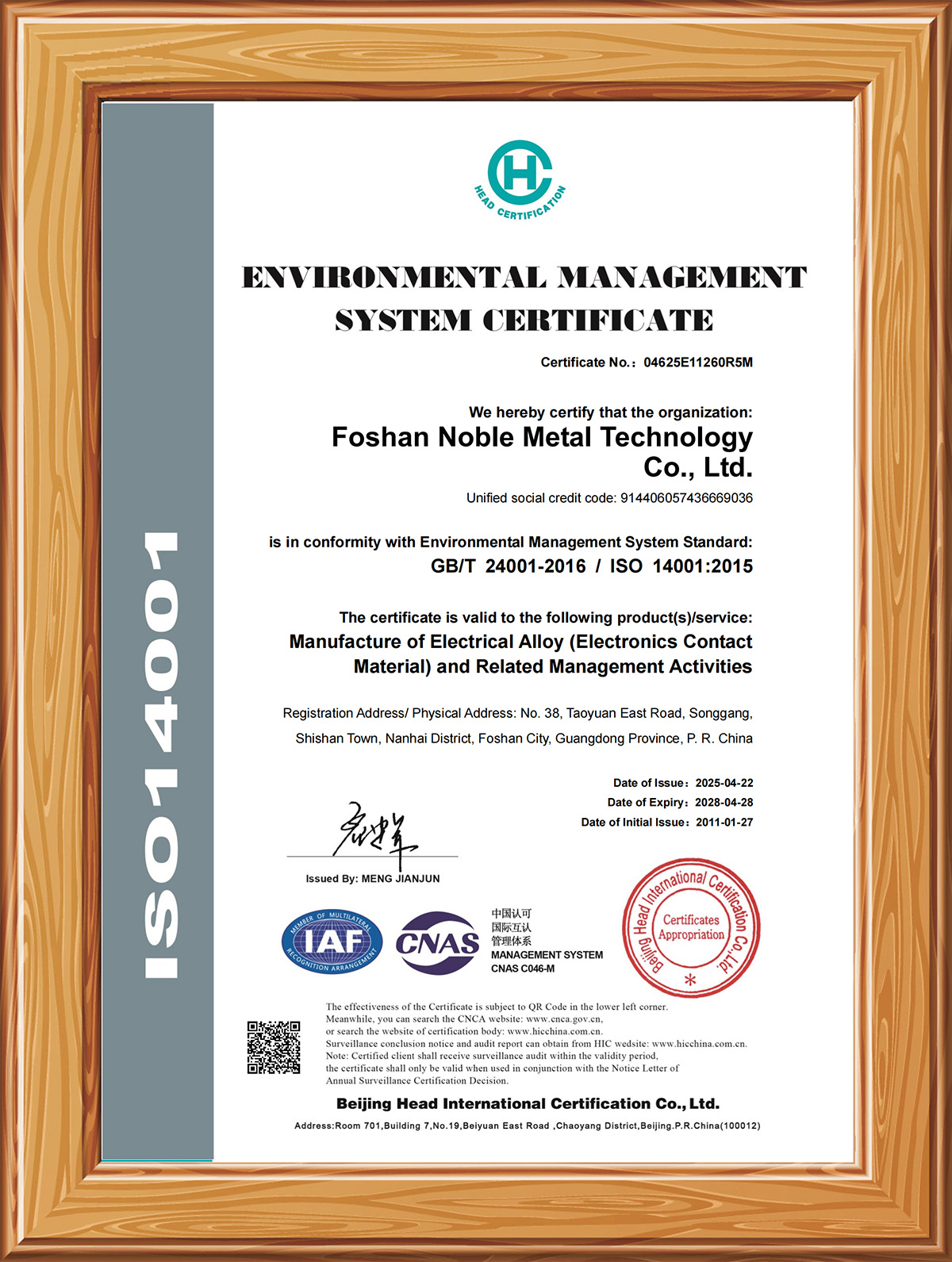
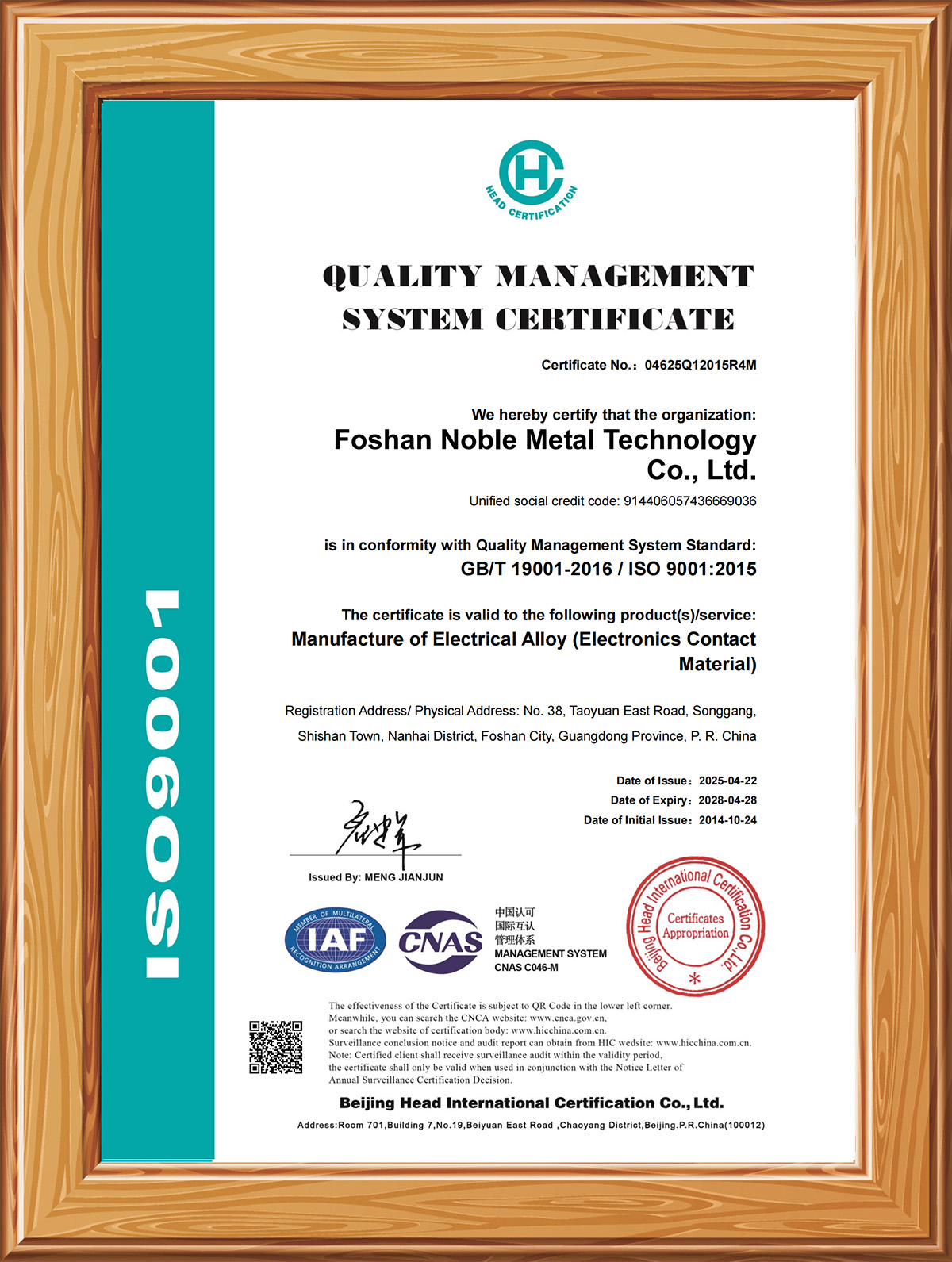
NMT has obtained National Invention Patent of "AgSnO₂In₂O₃ electric contact composite material and its manufacture processes" in 2008. Through our expert know-hows and strong technical team, NMT has further developed AgSnO₂ alloy materials with different compositions and innovative processes, which results in better performance and broader range of its application. Additionally NMT has also developed various range of silver-based electrical contact materials such as AgNi, AgZnO and AgCu etc., which may offer our customers more options in their applications.
Quality Control
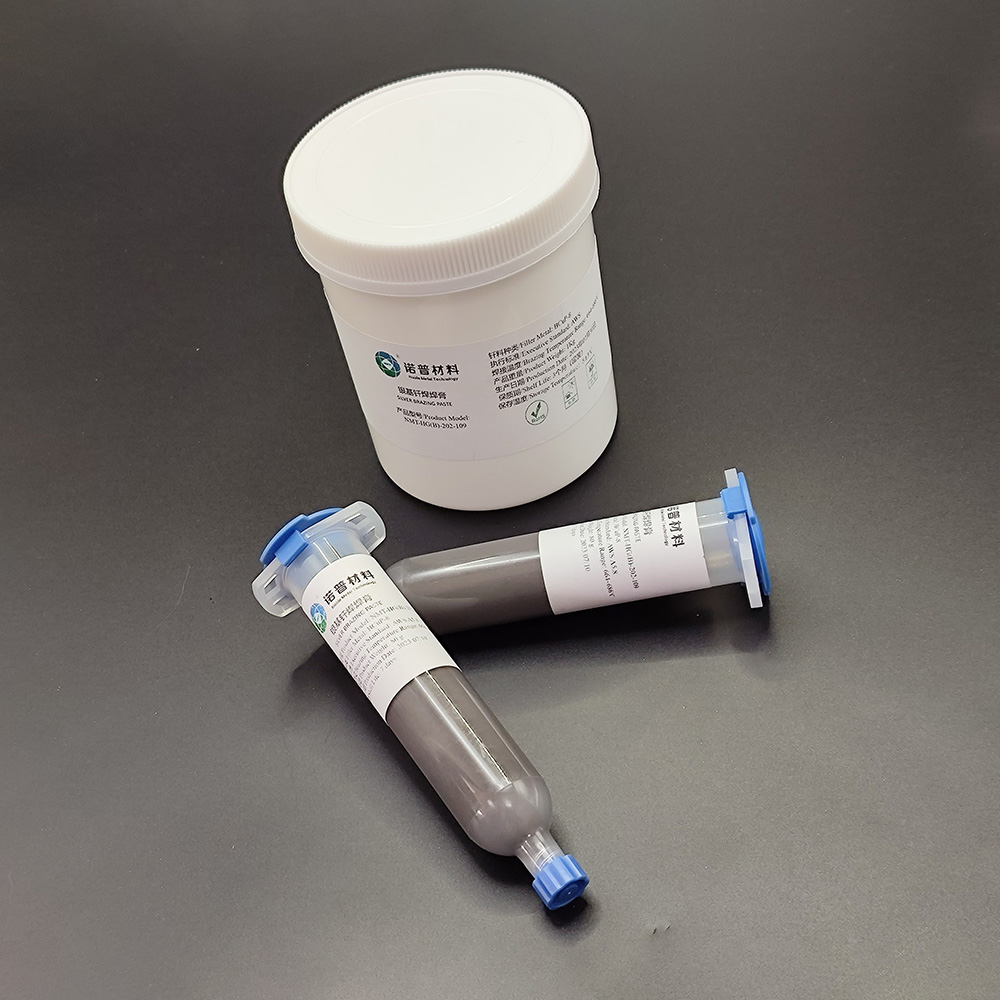
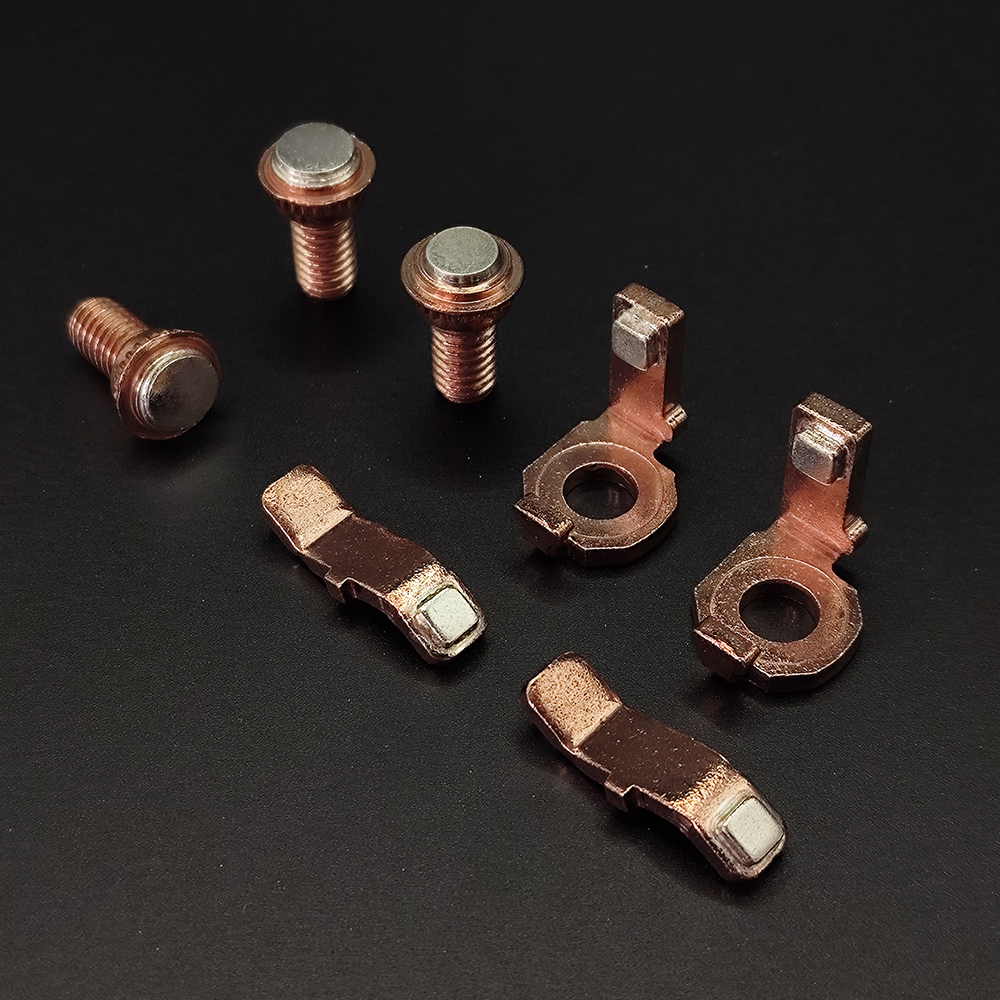
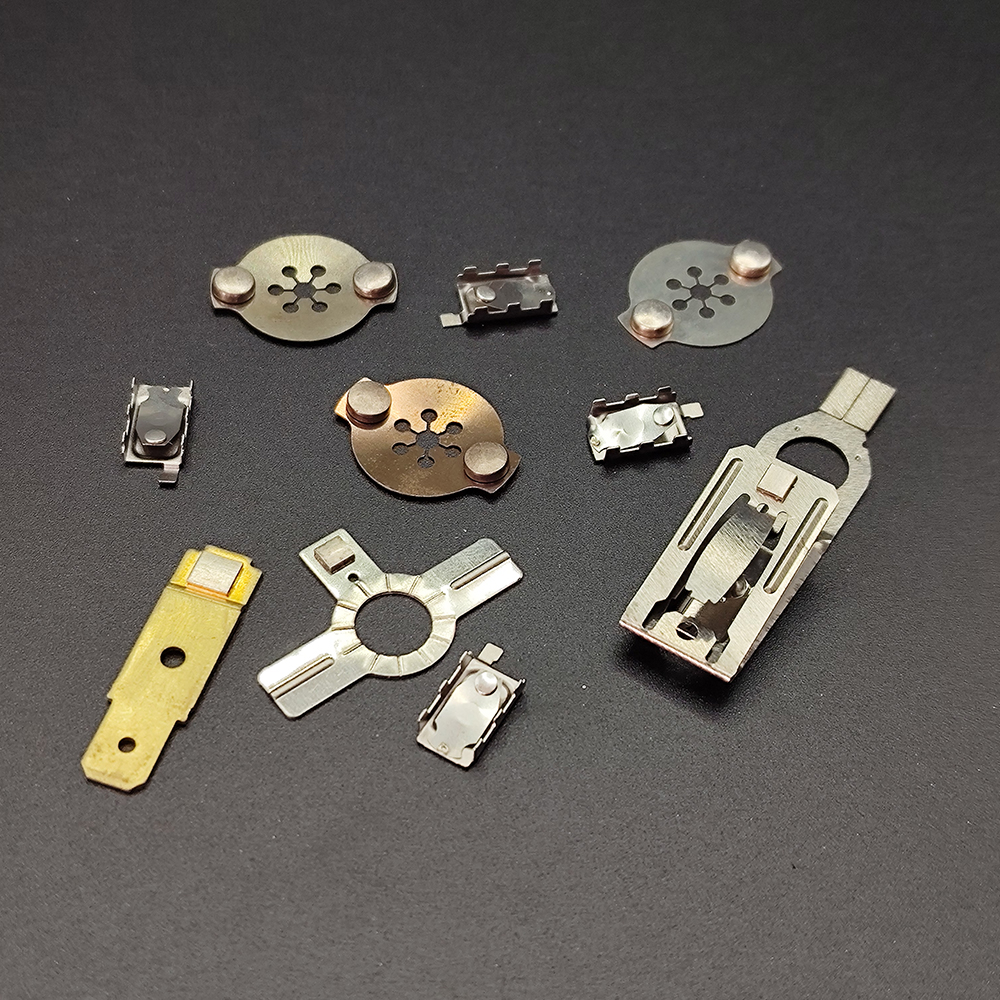
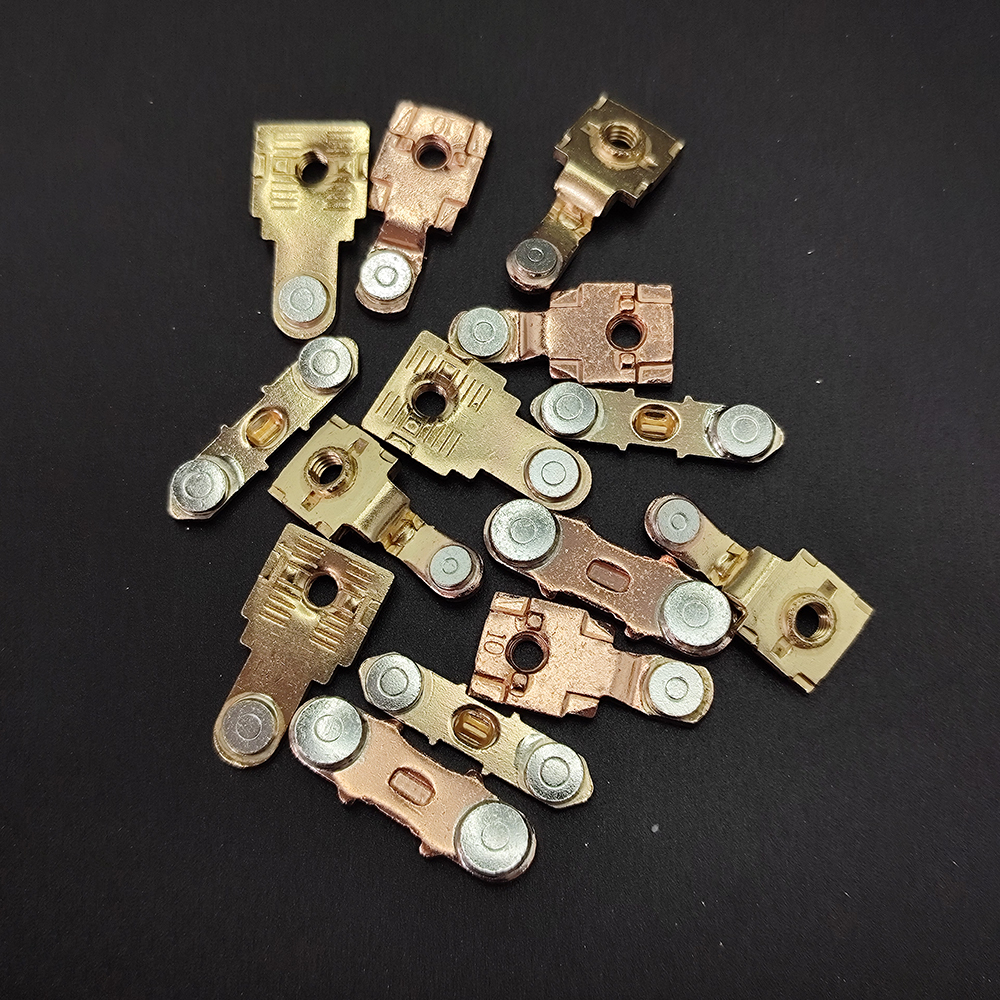
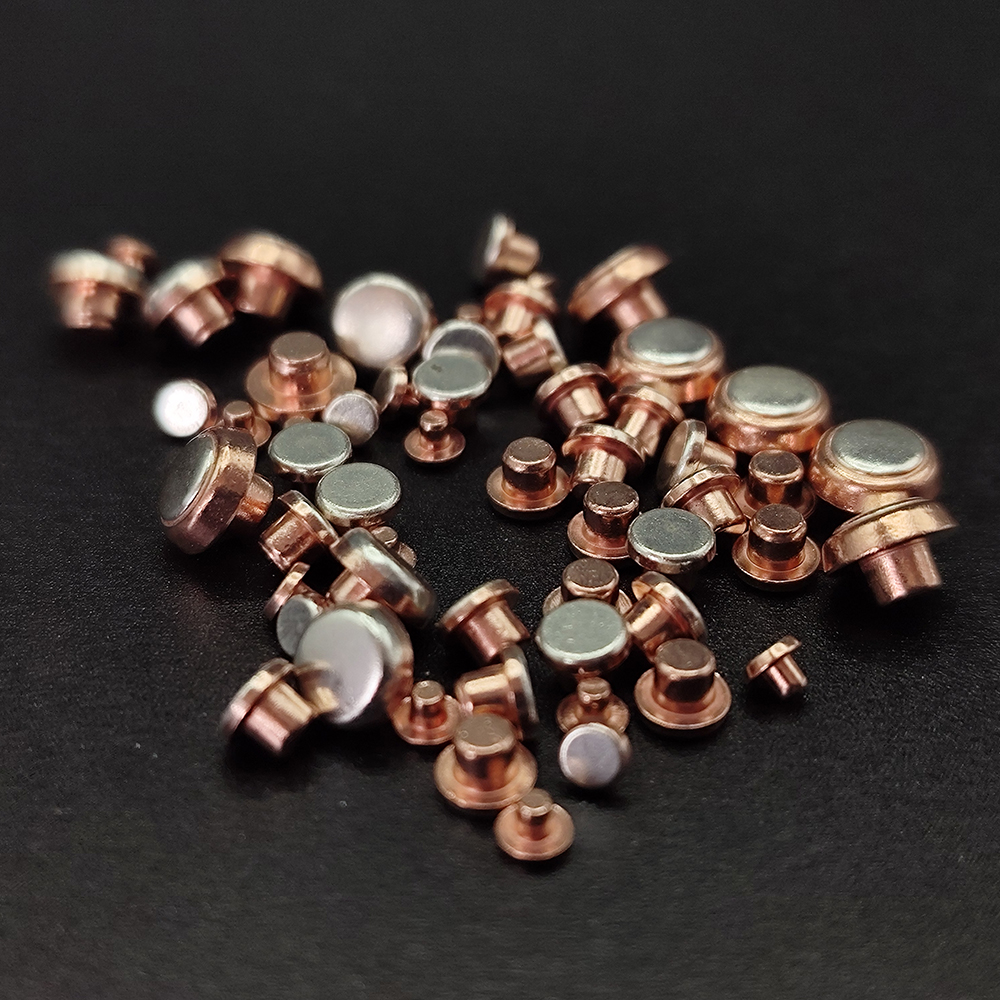
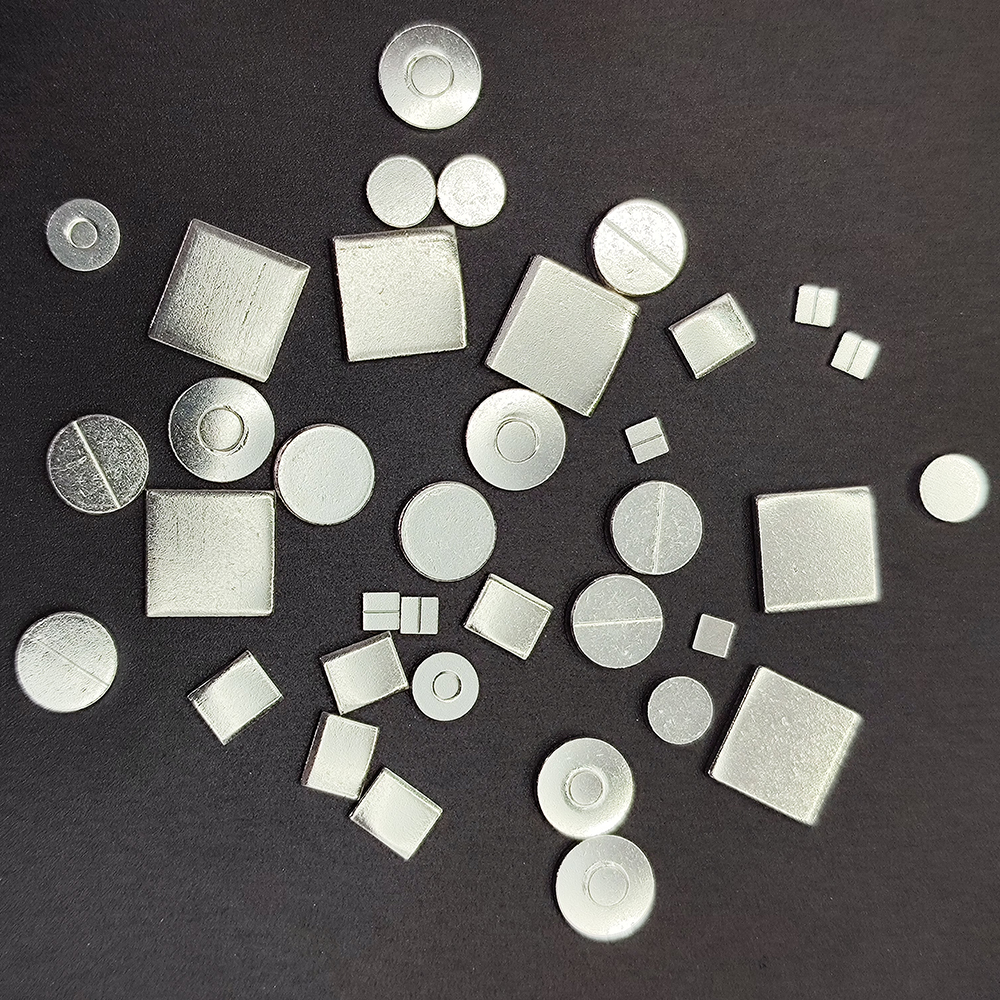
Our business covers a wide range of areas, including contact materials in the form of powder, wire, composite strip and profiles. We also offer contact components, such as tips and rivets, and contact assemblies, which include welded and stamped components. In addition, we have a series of silver paste products. These comprehensive offerings enable us to provide our customers with integrated and cost-effective solutions while ensuring complete manufacturing and quality control.
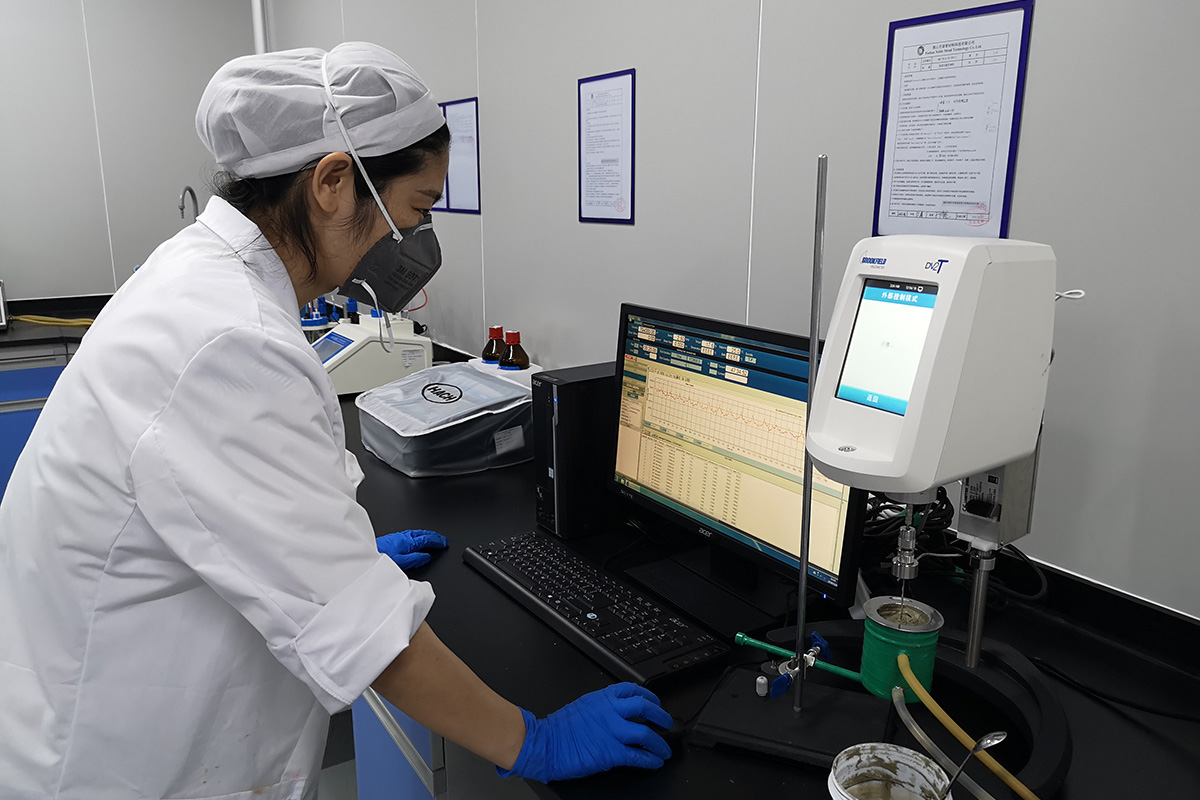
Every batch of silver-metal oxide contact material produced at NMT undergoes a rigorous multi-stage quality inspection protocol encompassing chemical composition verification by XRF analysis, microstructural examination by SEM/EDX, hardness testing (HV), electrical resistivity measurement, and 100% dimensional inspection of formed contact components. Our ISO-certified quality management system ensures traceability from raw silver input to finished assembly shipment.
Zero-Defect CommitmentNMT's in-line statistical process control and automated vision inspection systems guarantee dimensional consistency within ±0.01mm — critical for high-speed relay assembly and automated PCB placement processes at our customers' factories.
Innovative R&D
NMT has kept investing in R&D and following up the most up-to-date techniques and applications via cooperation and exchange with customers and research organizations, which drive NMT to deliver more innovative, eco-friendly and high-quality solutions to our customers.
We continually strive to enhance our products, expand our capabilities and improve our manufacturing processes. By doing so, we can continue to provide our customers with cutting-edge solutions to meet the changing needs. NMT is a trusted supplier of silver-based electrical contact materials, components and assemblies. With our strong technical team, broad product range and commitment to innovation, we have the ability to provide customers with integrated and reliable solutions.
Our current R&D focus areas include nano-structured AgSnO₂ powder synthesis for ultra-fine oxide dispersion, development of gradient-composition bimetal contact strips that reduce silver consumption by 30–40% without sacrificing arc performance, and new eco-friendly manufacturing processes that eliminate hazardous chemical steps from the production workflow.
Collaborations with universities and research institutes in materials science provide NMT with early access to breakthrough findings in oxide sintering kinetics, contact arc plasma physics, and advanced surface engineering — giving our customers a first-mover advantage as next-generation switching technologies emerge.


Silver-Metal Oxide Contact Products for Every Application
NMT's comprehensive silver-based contact product portfolio covers every stage of the switching contact supply chain — from raw materials and formed components to fully assembled contact mechanisms ready for relay integration.


Ready to Optimize Your Contact Material Strategy?
Our engineering team is ready to analyze your switching duty parameters and recommend the optimal silver-metal oxide contact grade, geometry and assembly format for your specific consumer electronics or small relay application.
Request Custom OEM / ODM Solution