
Featured Products for Low-voltage Switch & Relay Applications
Core silver-based contact material solutions trusted by global electrical manufacturers
What Is Silver Zinc Oxide (AgZnO) Wire?
AgZnO: The Gold Standard for Low-voltage Contact Wire
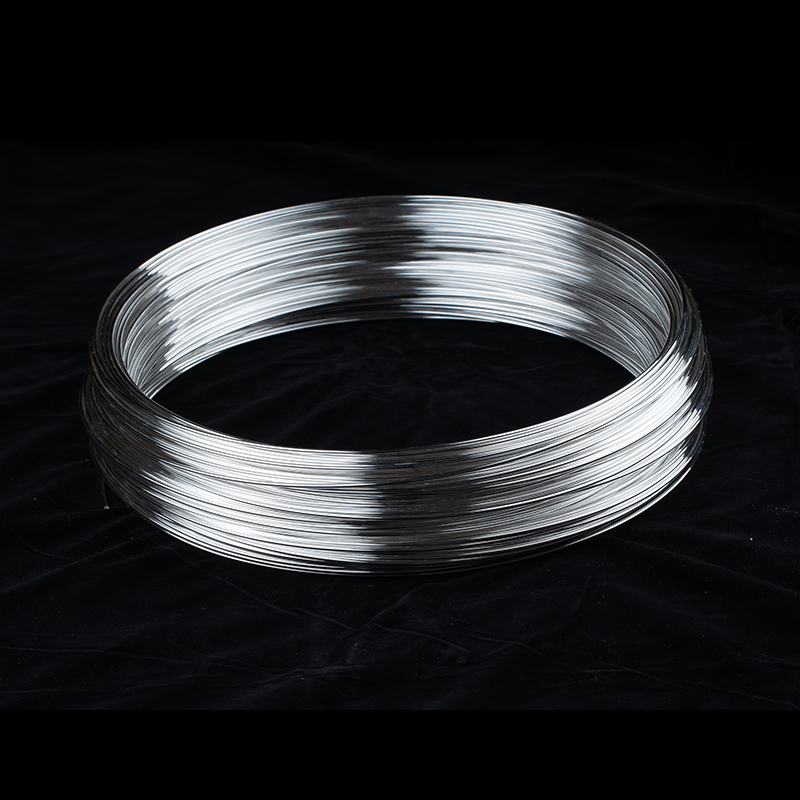
Silver Zinc Oxide (AgZnO) wire is a premier class of silver-based electrical contact material formed by uniformly dispersing ZnO particles within a silver matrix. This composite architecture delivers a unique combination of high electrical conductivity, outstanding arc-erosion resistance, and superior anti-welding performance — making it indispensable for the manufacture of low-voltage electrical switches and relays.
Unlike pure silver contacts which are prone to material transfer and welding under repetitive switching loads, AgZnO wire integrates the oxide phase to interrupt arc propagation and dramatically reduce contact wear. The resulting wire form factor enables high-precision automated stamping, riveting, and welding processes commonly employed in modern relay and switch production lines.
Technical Advantages of AgZnO Wire in Switch & Relay Manufacturing
Why electrical engineers and procurement specialists specify AgZnO wire above all alternatives
Superior Arc Erosion Resistance
The dispersed ZnO phase absorbs arc energy and inhibits material transfer, extending contact service life by up to 3× compared to AgCu or AgNi wire in AC-3 duty cycles.
Anti-Welding Performance
Fine oxide dispersion prevents contact fusion under inrush current surges — a critical requirement for motor-starter relays and circuit breaker contacts operating at ≥400A.
Wire Form Precision
AgZnO wire is manufactured to tight dimensional tolerances (±0.01 mm diameter), enabling seamless integration with high-speed automated contact stamping and rivet heading machines.
Thermal Stability
Maintains stable contact resistance across -40°C to 125°C operating ranges, essential for automotive relays, HVAC controls, and industrial control panels in harsh environments.
Cadmium-Free Compliance
AgZnO is the industry's preferred cadmium-free replacement for the legacy AgCdO material, fully compliant with RoHS, REACH and EU Directive 2011/65/EU environmental regulations.
In-Depth Application Scenarios: Where AgZnO Wire Delivers Maximum Value
From household circuit breakers to industrial automation — the breadth of AgZnO wire deployment
Industrial Contactors & Motor Starters
Heavy-duty contactors switching 3-phase motor loads demand contacts capable of withstanding AC-3 and AC-4 utilization categories. AgZnO wire contacts manufactured to IEC 60947-4-1 provide the arc-quenching performance needed to handle locked-rotor inrush currents (up to 10× rated current), minimising downtime in manufacturing automation lines, conveyor systems, and compressor drives.
Miniature Circuit Breakers (MCB) & RCCBs
Residential and commercial distribution boards rely on MCBs and RCCBs for overcurrent and earth-fault protection. AgZnO wire-formed contact elements deliver consistent trip performance over 10,000+ operation cycles, maintaining low contact temperature rise (≤50K) as required by IEC 60898-1 and EN 61008 standards.
Automotive Relay Systems
Modern vehicles contain 30–80 electromechanical relays controlling everything from fuel injectors to EV battery management systems. AgZnO wire contacts are specified for ISO 8092-compliant automotive relays due to their ability to withstand vibration, temperature cycling, and switching inductive loads (solenoids, fans, pumps) with minimal contact bounce and welding risk.
Solar Inverters & Energy Storage Systems
DC switching in photovoltaic inverters and battery energy storage systems (BESS) is significantly more demanding than AC switching due to the absence of natural current zero crossings. AgZnO contacts engineered for DC-13 duty category manage arc energy in bi-directional DC relays and disconnect switches, supporting the global renewable energy transition at utility and residential scales.
Building Automation & Smart Electrical Systems
Smart buildings deploy thousands of low-voltage relay modules for HVAC zoning, lighting control, and access management. AgZnO wire contacts in 10A–63A relay assemblies enable the high cycle life (≥100,000 operations) demanded by IoT-enabled building management systems, while maintaining reliable signal-level contact resistance compatible with microcontroller I/O.
Industrial Robot & CNC Machine Interlocks
Safety relays and interlock switches in robotic cells and CNC machining centers require zero-failure contact performance under IEC 62061 SIL 2/3 safety integrity levels. AgZnO wire's welding resistance is a primary selection criterion for safety function contacts, where unexpected contact fusion could cause Category 3/4 safety failures with potentially catastrophic consequences.
Market Trends Driving AgZnO Wire Demand in Low-voltage Electrical Manufacturing
Understanding the commercial and industrial forces shaping the global silver contact material market
Global Market Expansion
The global electrical contact materials market is projected to reach USD 3.8 billion by 2029, growing at a CAGR of 5.2%. Low-voltage switch and relay applications account for over 45% of total AgZnO wire consumption, driven by infrastructure electrification in Asia-Pacific and smart grid deployment in Europe and North America.
RoHS & Green Manufacturing Compliance
Accelerating phase-out of cadmium oxide contacts across all major markets is creating a structural demand shift toward AgZnO. Regulatory timelines in EU, China (GB/T 26125) and India are compelling switch and relay OEMs to redesign contact assemblies, generating substantial AgZnO wire procurement volumes through 2030.
EV & Energy Transition Demand
Electric vehicle production growth (targeting 40M units/year by 2030) and global renewable energy capacity additions (4,000 GW solar/wind by 2030) are creating unprecedented demand for DC-rated relay contacts. AgZnO wire is positioned as the premier solution for next-generation EV charging infrastructure relays and solar combiner box switching elements.
Industry 4.0 Automation Surge
The proliferation of automated production lines, collaborative robots (cobots), and smart manufacturing systems is driving relay and contactor demand at double-digit annual growth rates in industrial economies. Each new robot cell typically incorporates 15–25 safety and control relays, multiplying AgZnO wire consumption at scale.
Company Profile — Foshan Noble Metal Technology Co., Ltd.
COMPANY PROFILE
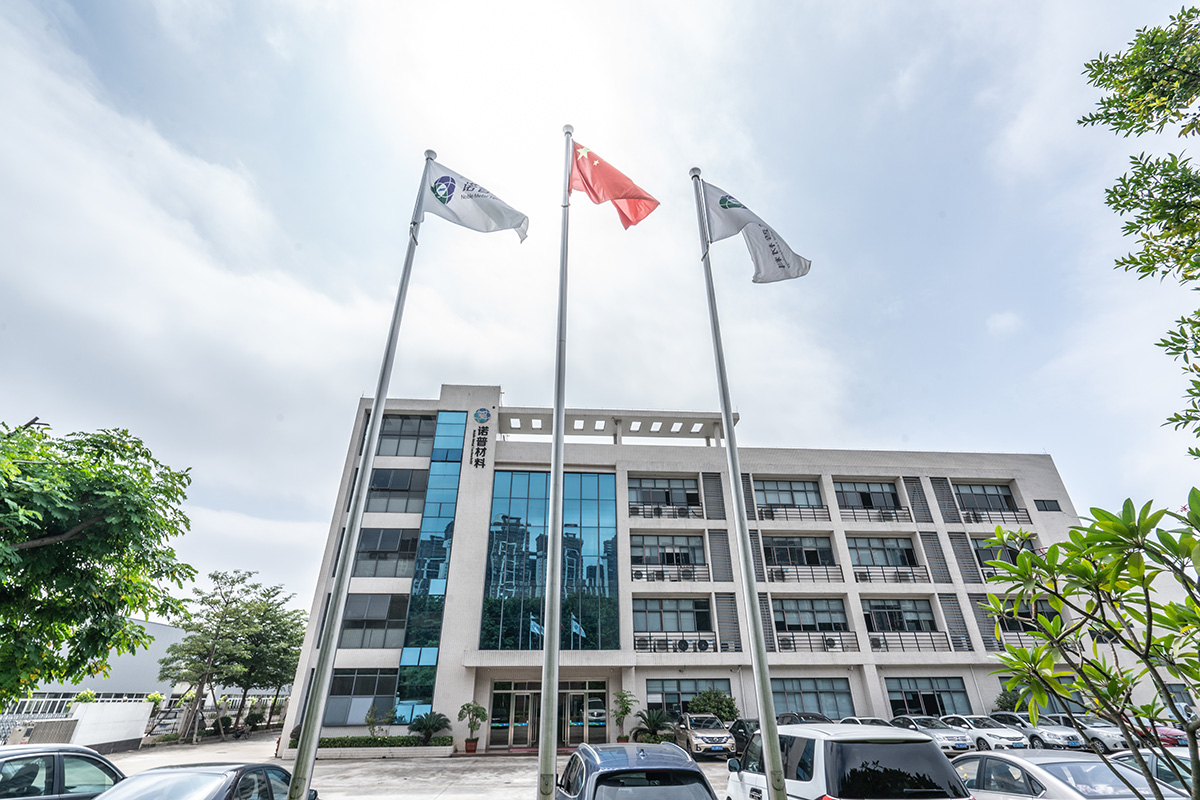
Foshan Noble Metal Technology Co., Ltd. (known as NMT) is a leading high-tech enterprise specializing in the development and manufacture of silver-based electrical contact composite materials, components and assemblies for various electrical and electronic applications. Our headquarter is located in Foshan with state-of-the-art facilities.
As a trusted global supplier of AgZnO wire and related contact materials for low-voltage switch and relay manufacturing, NMT serves electrical OEMs and Tier-1 component manufacturers across Asia, Europe, and the Americas — delivering certified, application-optimized solutions backed by decades of metallurgical expertise.
Professional Certificates & Technical Credentials
NMT has obtained National Invention Patent of "AgSnO₂In₂O₃ electric contact composite material and its manufacture processes" in 2008. Through our expert know-hows and strong technical team, NMT has further developed AgSnO₂ alloy materials with different compositions and innovative processes, which results in better performance and broader range of its application. Additionally NMT has also developed various range of silver-based electrical contact materials such as AgNi, AgZnO and AgCu etc., which may offer our customer more options in their applications.
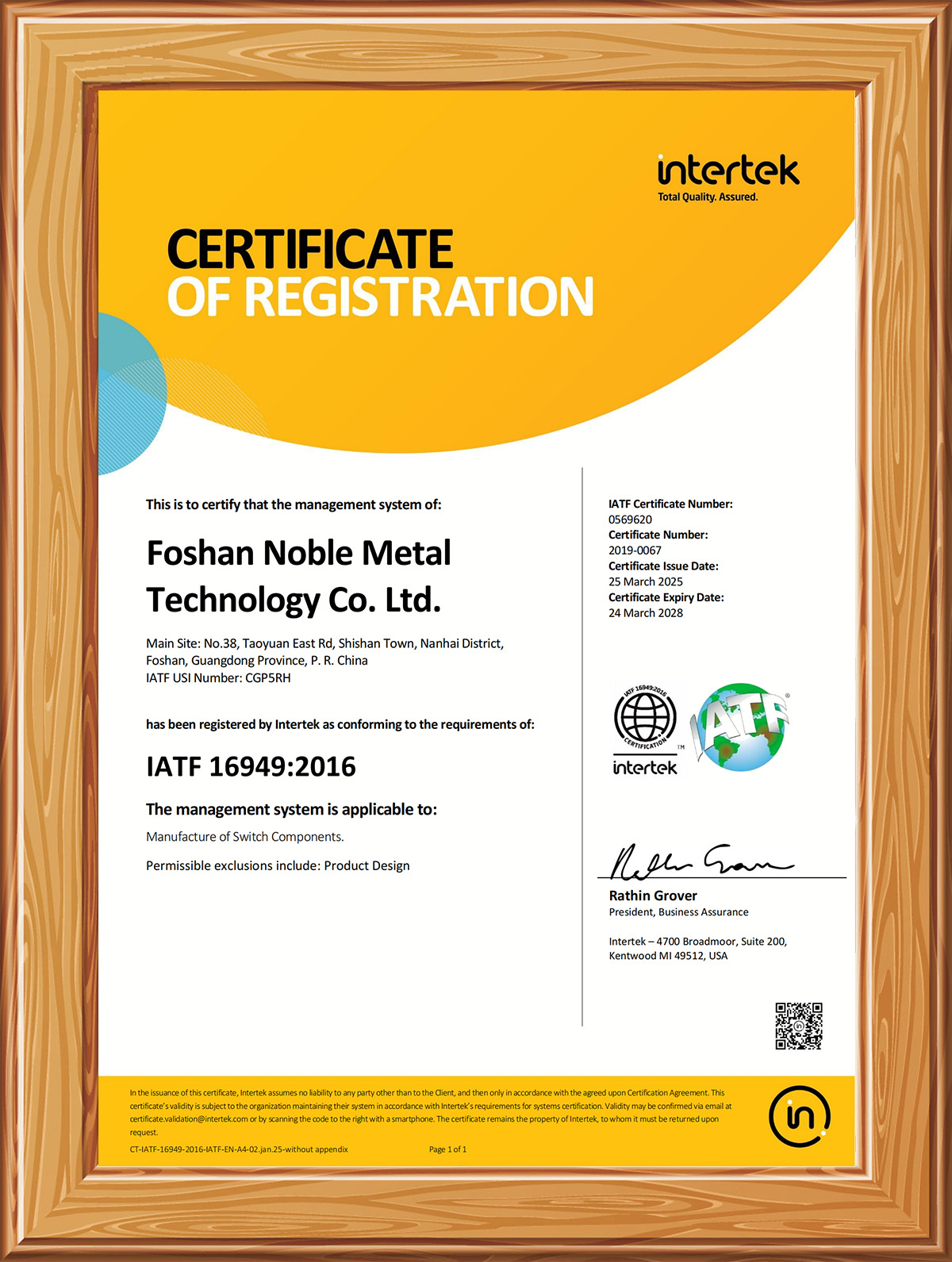
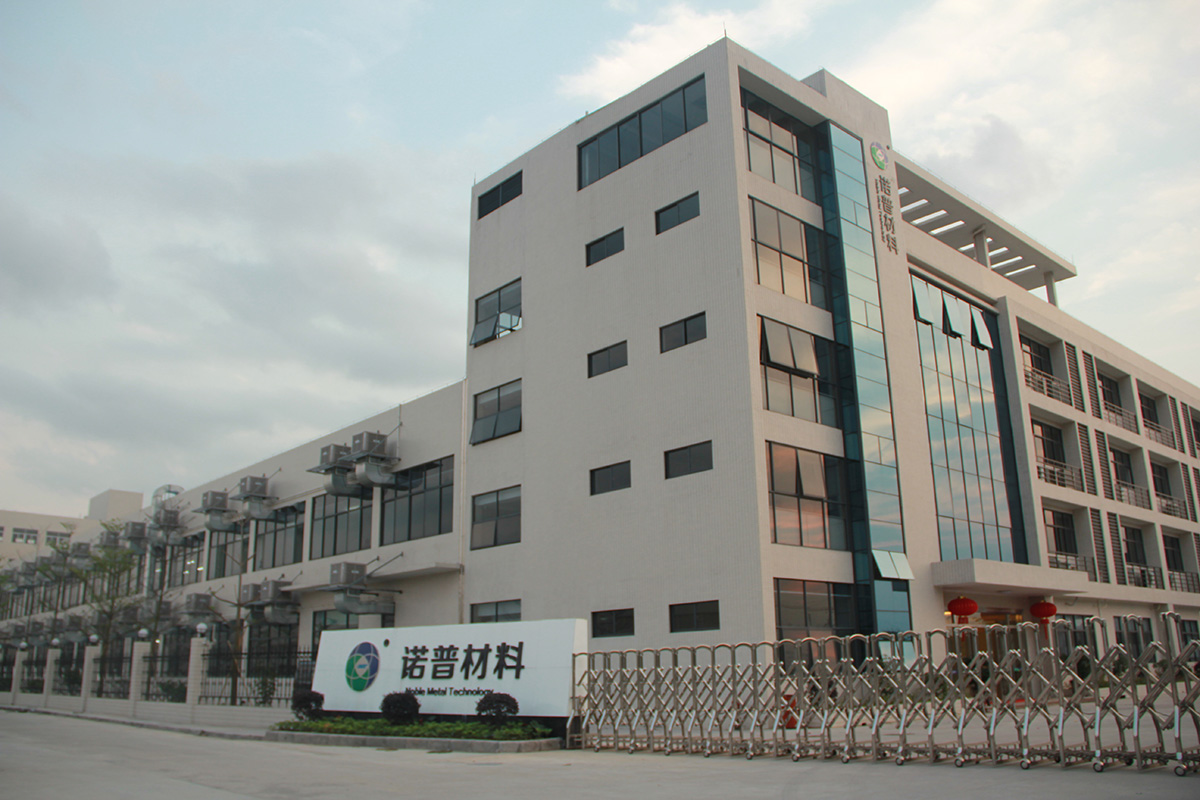
QUALITY CONTROL
Our business covers a wide range of areas, including contact materials in the form of powder, wire, composite strip and profiles. We also offer contact components, such as tips and rivets, and contact assemblies, which include welded and stamped components. In addition, we have a series of silver paste products. These comprehensive offerings enable us to provide our customers with integrated and cost-effective solutions while ensuring complete manufacturing and quality control.
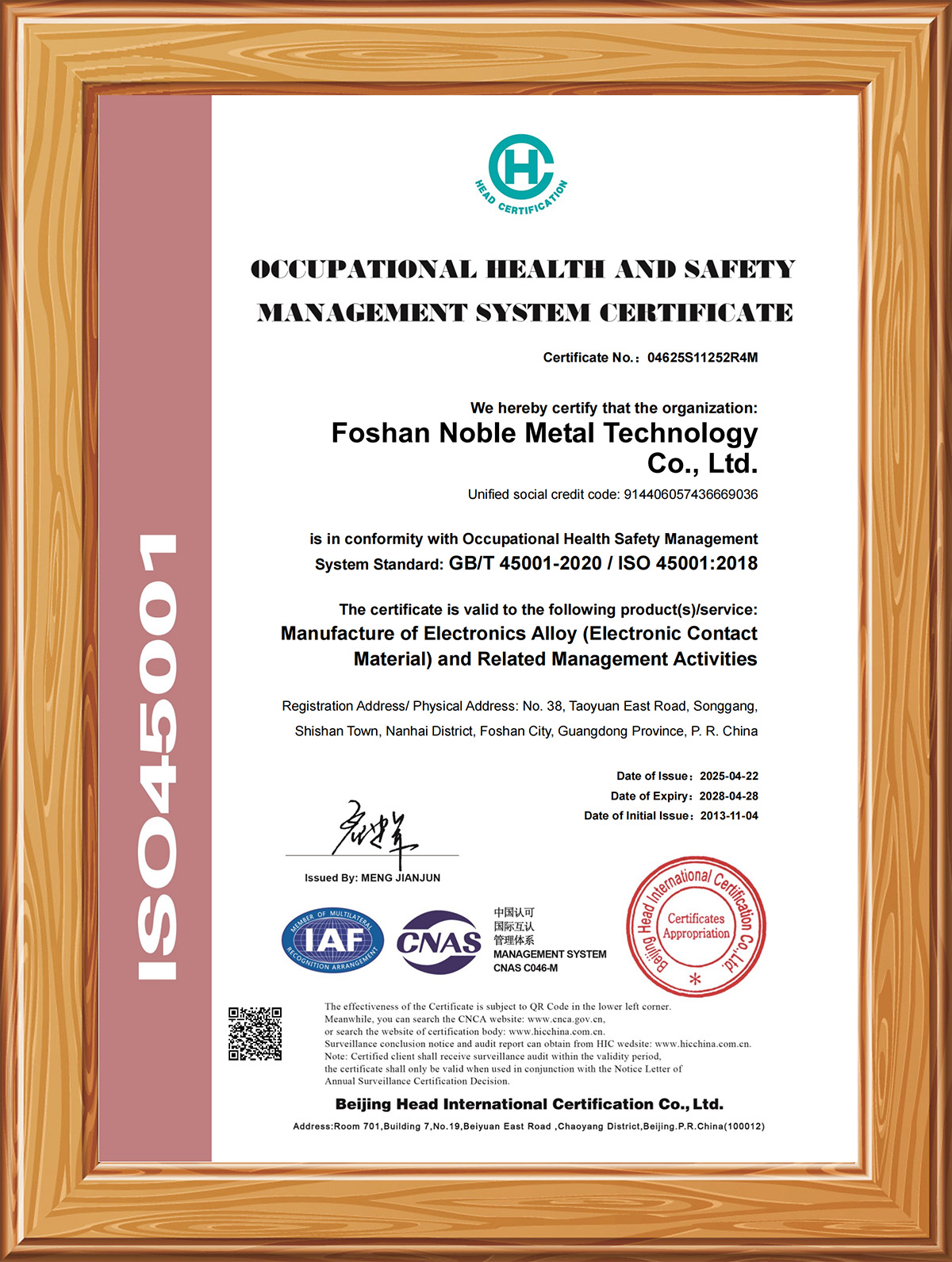
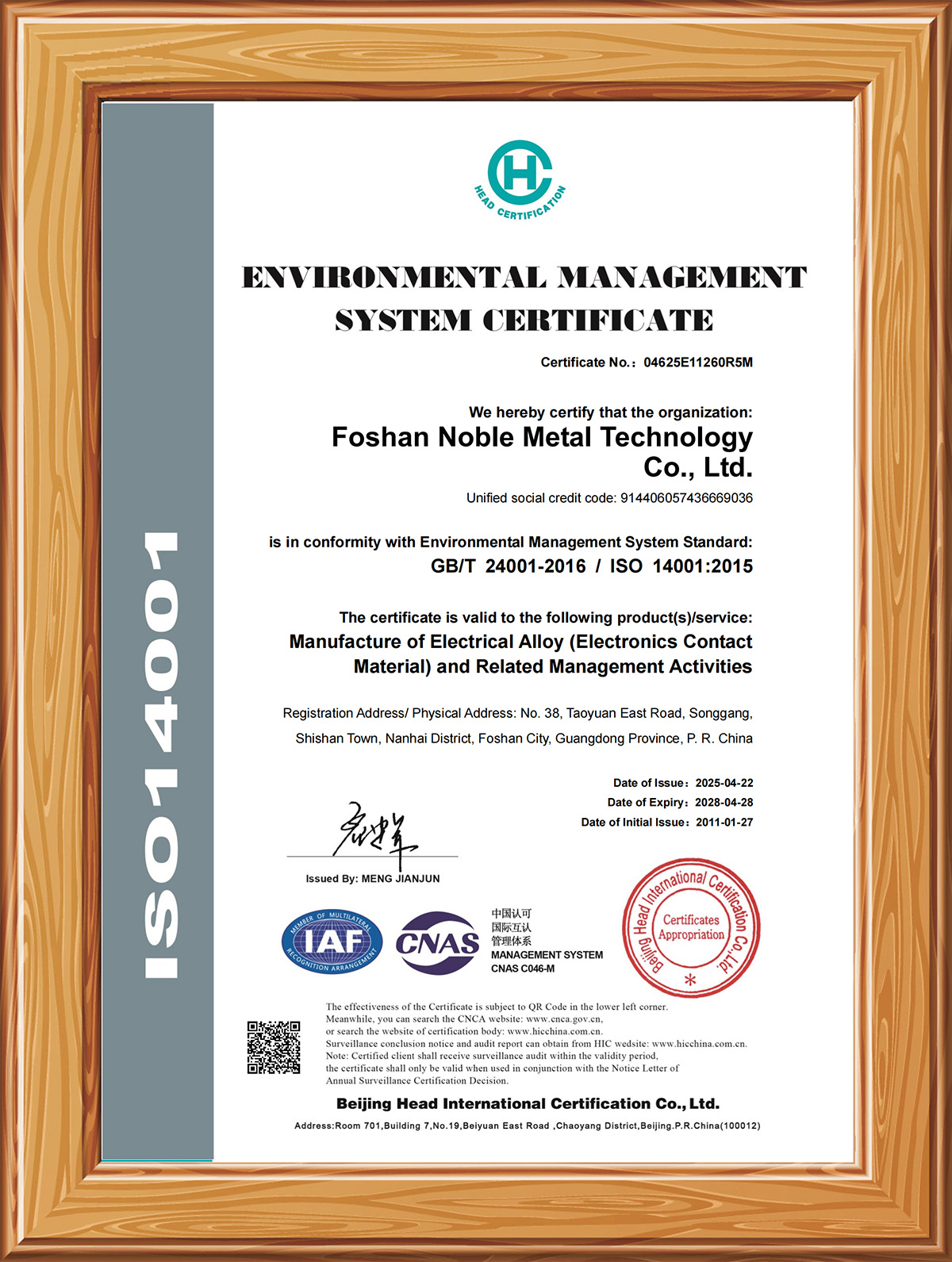
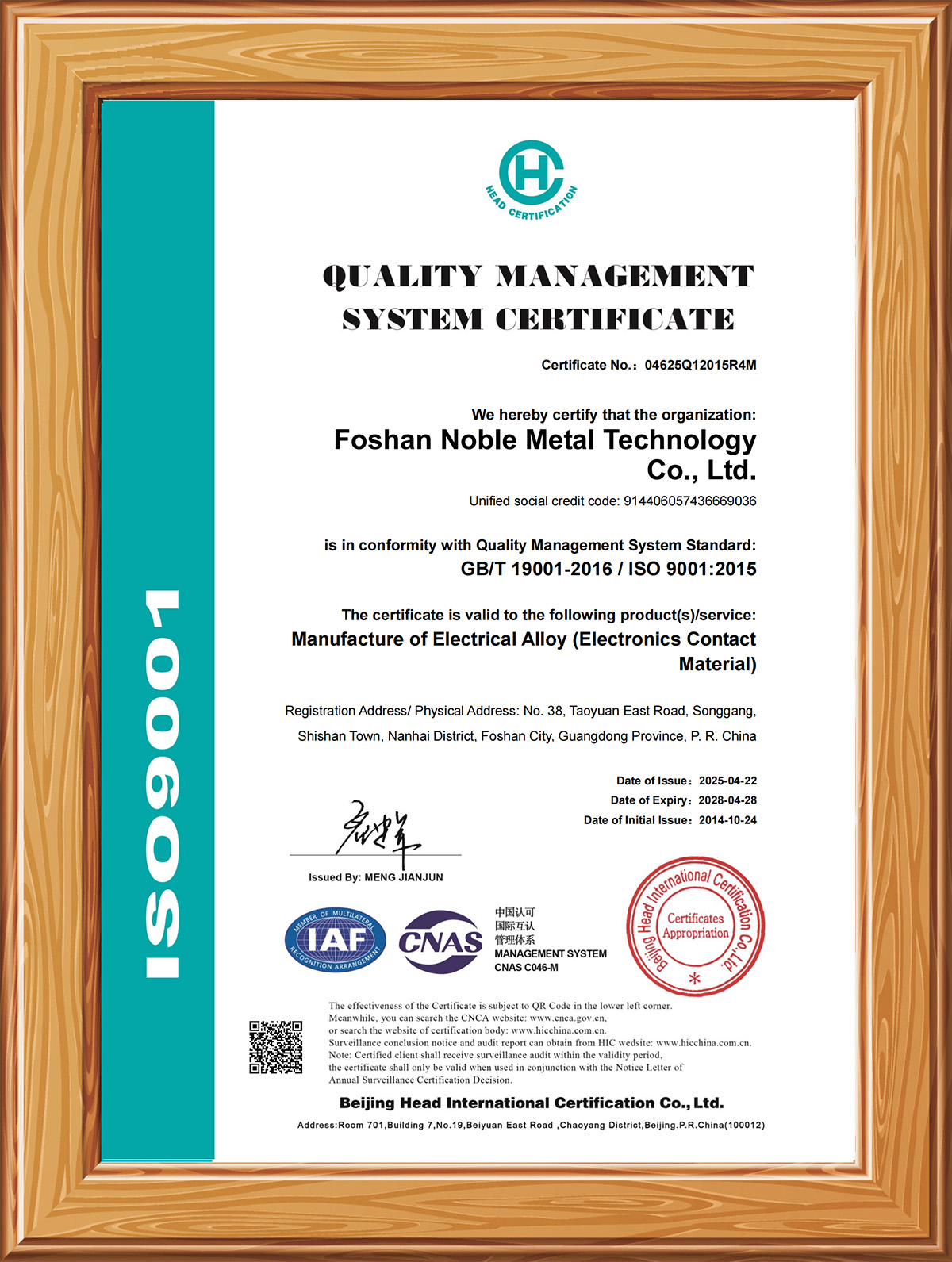
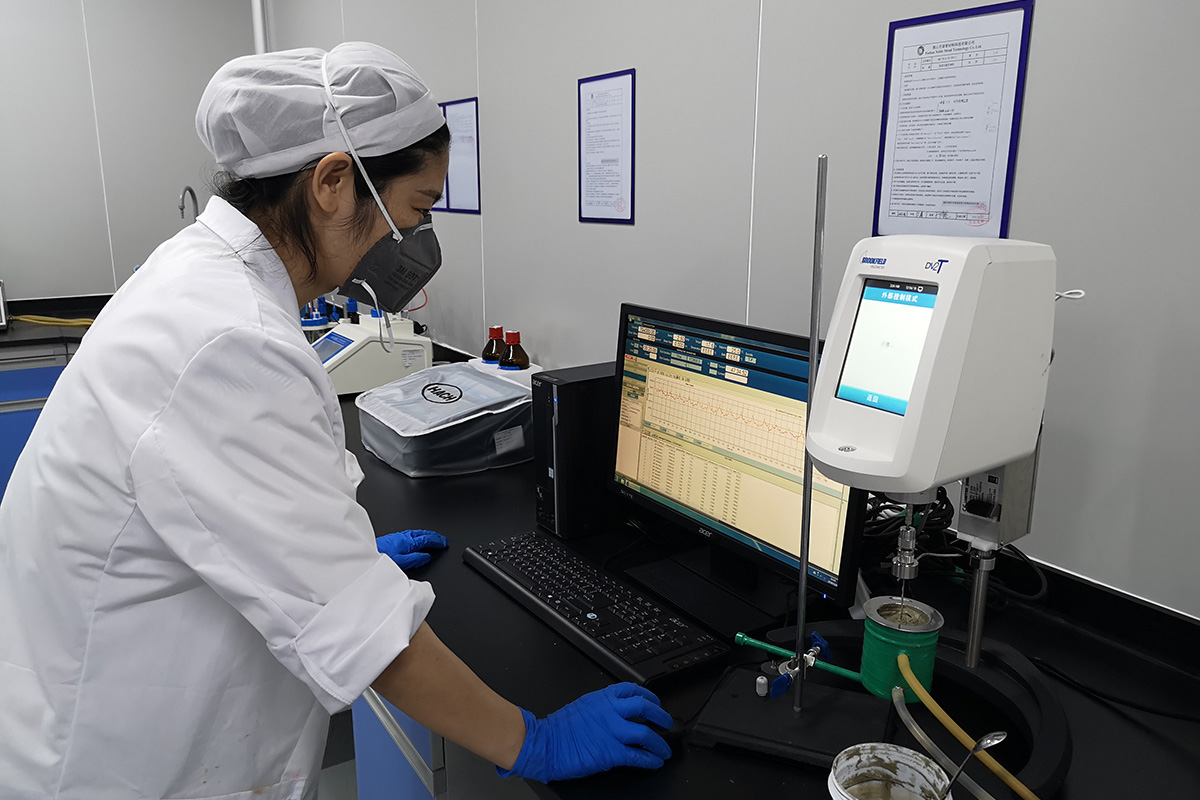
For AgZnO wire specifically, NMT's quality management system enforces 100% dimensional inspection, XRF compositional verification, hardness testing, and electrical resistivity measurement on every production lot — ensuring that every meter of AgZnO wire shipped meets or exceeds the mechanical and electrical properties required for precision low-voltage switch and relay manufacturing.
Innovative R&D — Powering the Next Generation of AgZnO Contact Materials
NMT has kept investing in R&D and following up the most up-to-date techniques and applications via cooperation and exchange with customers and research organizations, which drive NMT to deliver more innovative, eco-friendly and high-quality solutions to our customers.
We continually strive to enhance our products, expand our capabilities and improve our manufacturing processes. By doing so, we can continue to provide our customers with cutting-edge solutions to meet the changing needs. NMT is a trusted supplier of silver-based electrical contact materials, components and assemblies. With our strong technical team, broad product range and commitment to innovation, we have the ability to provide customers with integrated and reliable solutions.


How to Select the Right AgZnO Wire Grade for Your Switch or Relay Application
Step 1: Define Electrical Parameters
Specify rated current (In), rated voltage (Ue), utilization category (AC-1 through AC-4 or DC-13), and expected number of electrical operations. These parameters directly determine the optimal ZnO content and wire diameter for your contact geometry.
Step 2: Assess Manufacturing Process
Wire diameter and temper (soft, half-hard, full-hard) must match your contact heading, stamping, or laser welding process. NMT supplies AgZnO wire in diameter ranges from 0.5 mm to 6 mm with customised hardness profiles to optimise formability and final contact microstructure.
Step 3: Confirm Regulatory Requirements
Identify applicable standards (IEC 60947, UL 508, GB/T 8320, ISO 8092) and environmental directives (RoHS, REACH, ELV). NMT's AgZnO wire is fully cadmium-free and ships with material compliance certificates and third-party test reports to expedite your product certification process.
Step 4: Engage NMT Application Engineering
NMT's technical team provides application review, prototype supply, and endurance testing coordination to validate AgZnO wire performance in your specific relay or switch design before volume production commitment — minimising development risk and time-to-market.
Complete Silver Contact Material Product Range
Comprehensive solutions for every low-voltage switch, relay, and electrical contact application
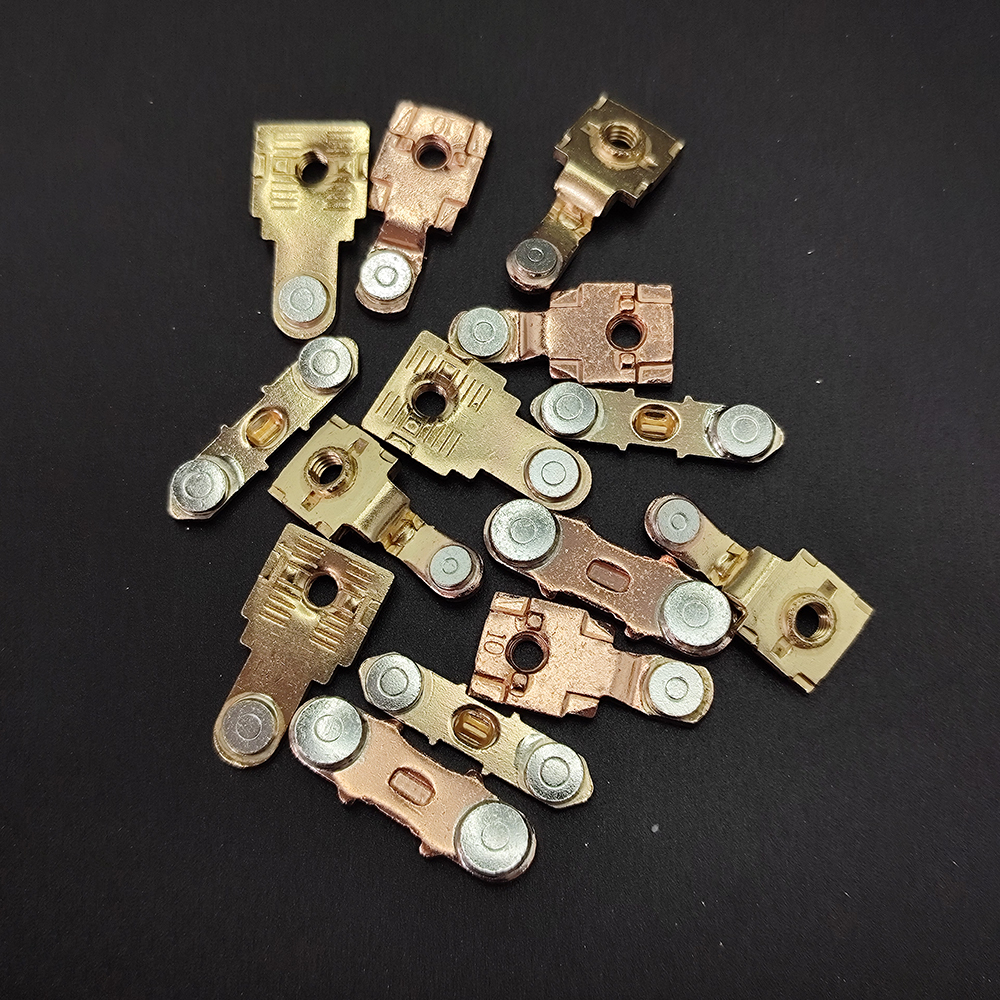 Resistance Brazing Assemblies
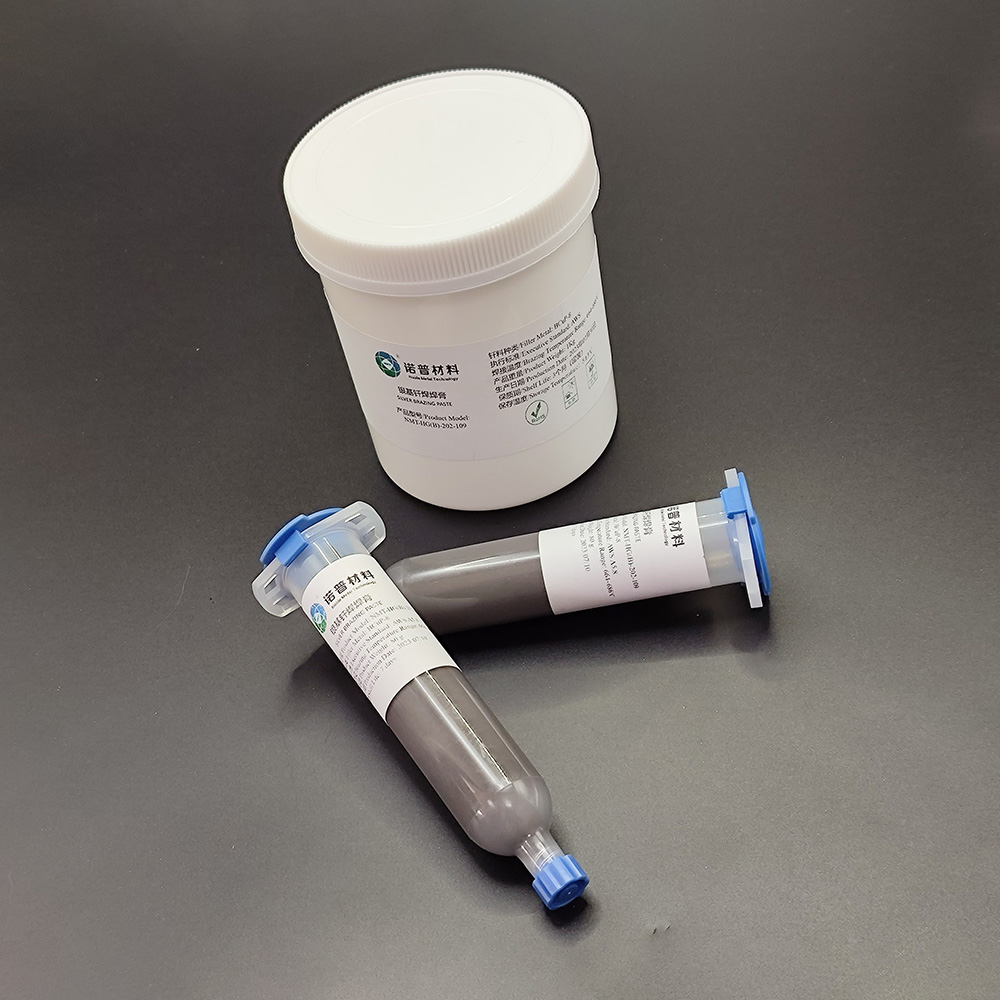 Highly Recommended Silver Based Brazing Paste
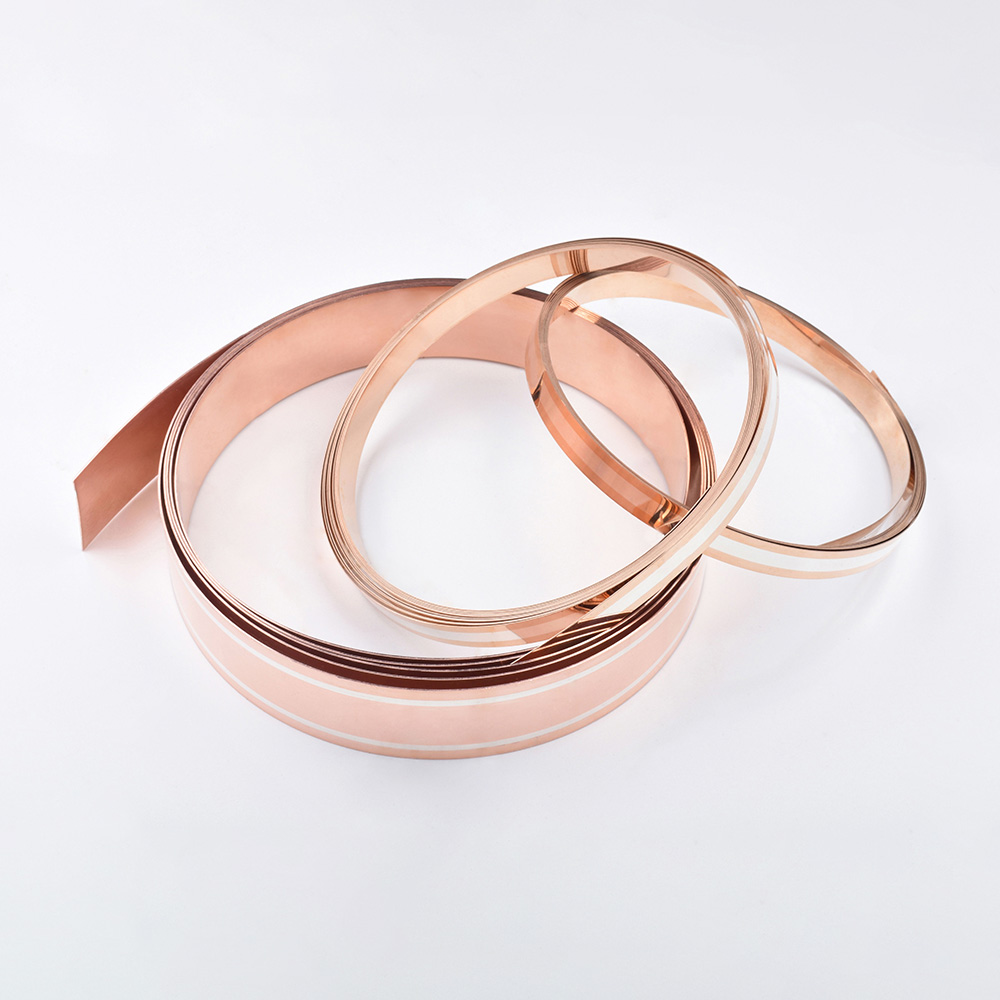 High-quality Silver Clad Metal Contact Strip
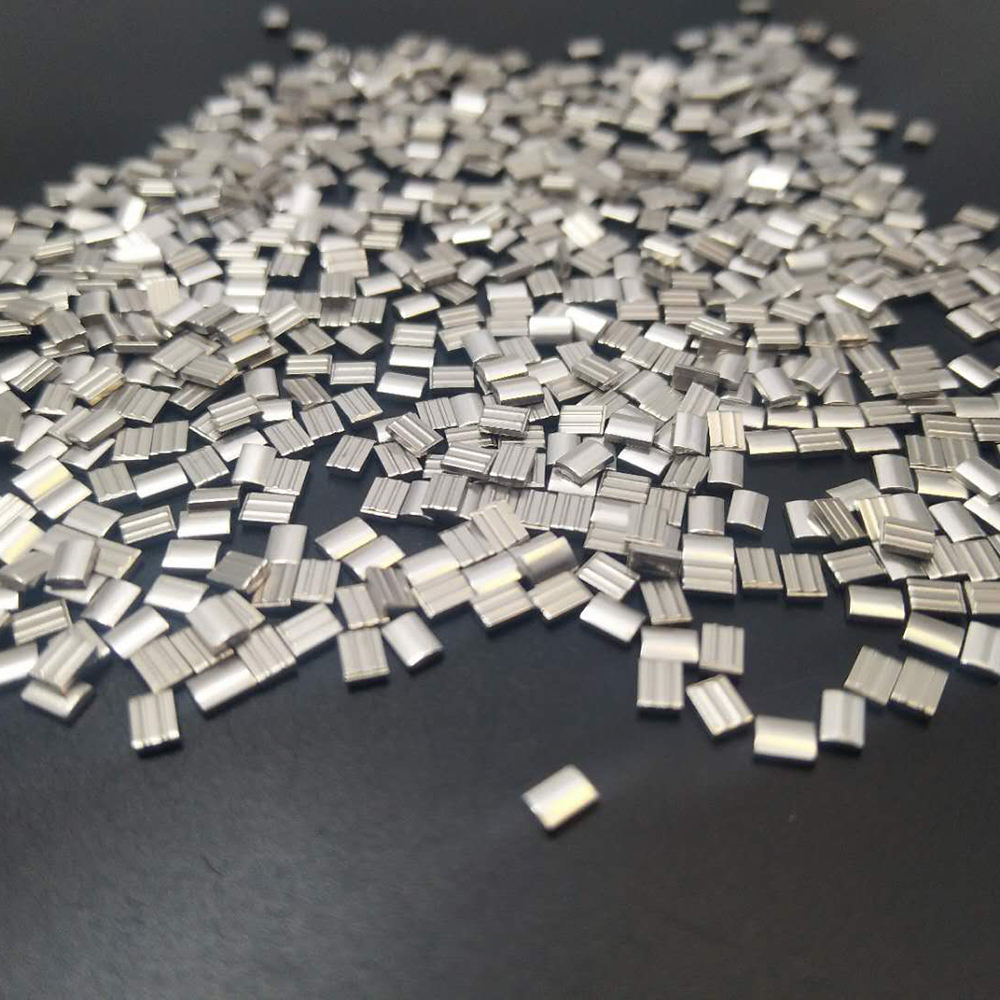 Silver Profiled Strip bi-metal & tri-metal
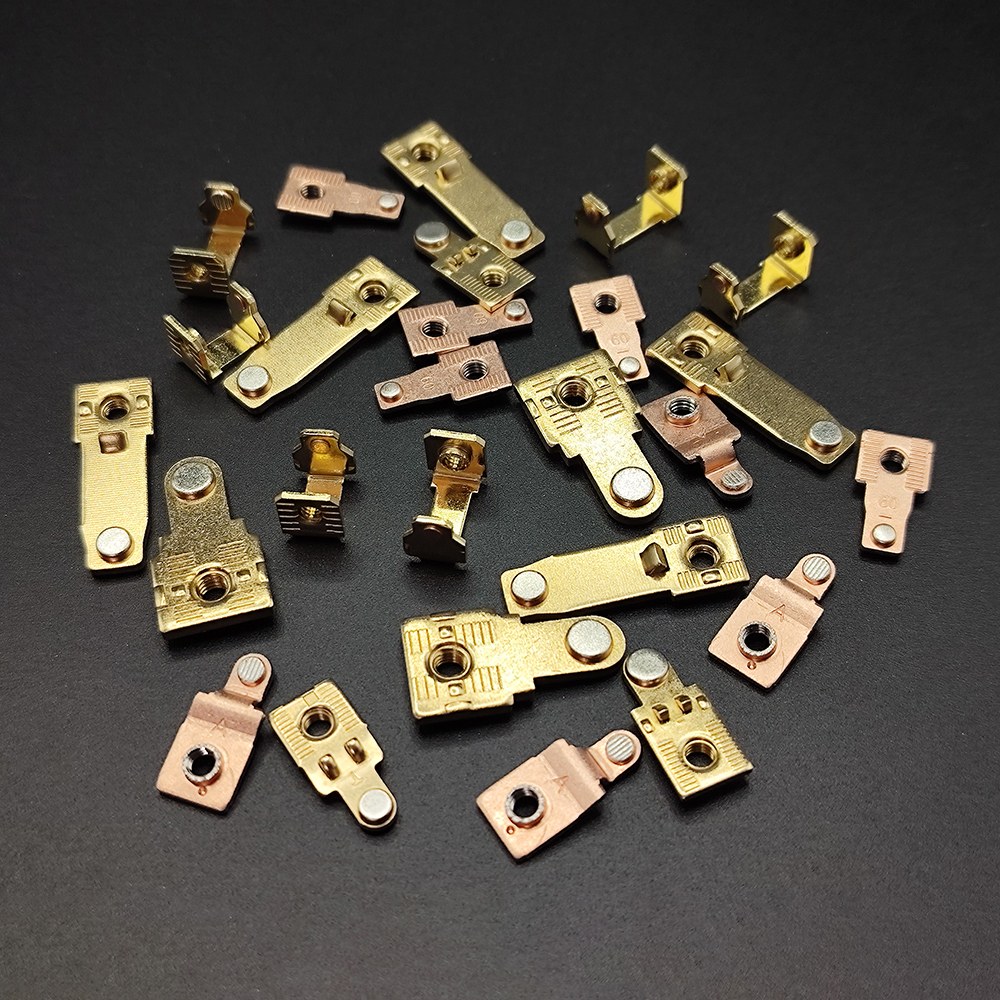 Automatic Contact Rivet Assemblies
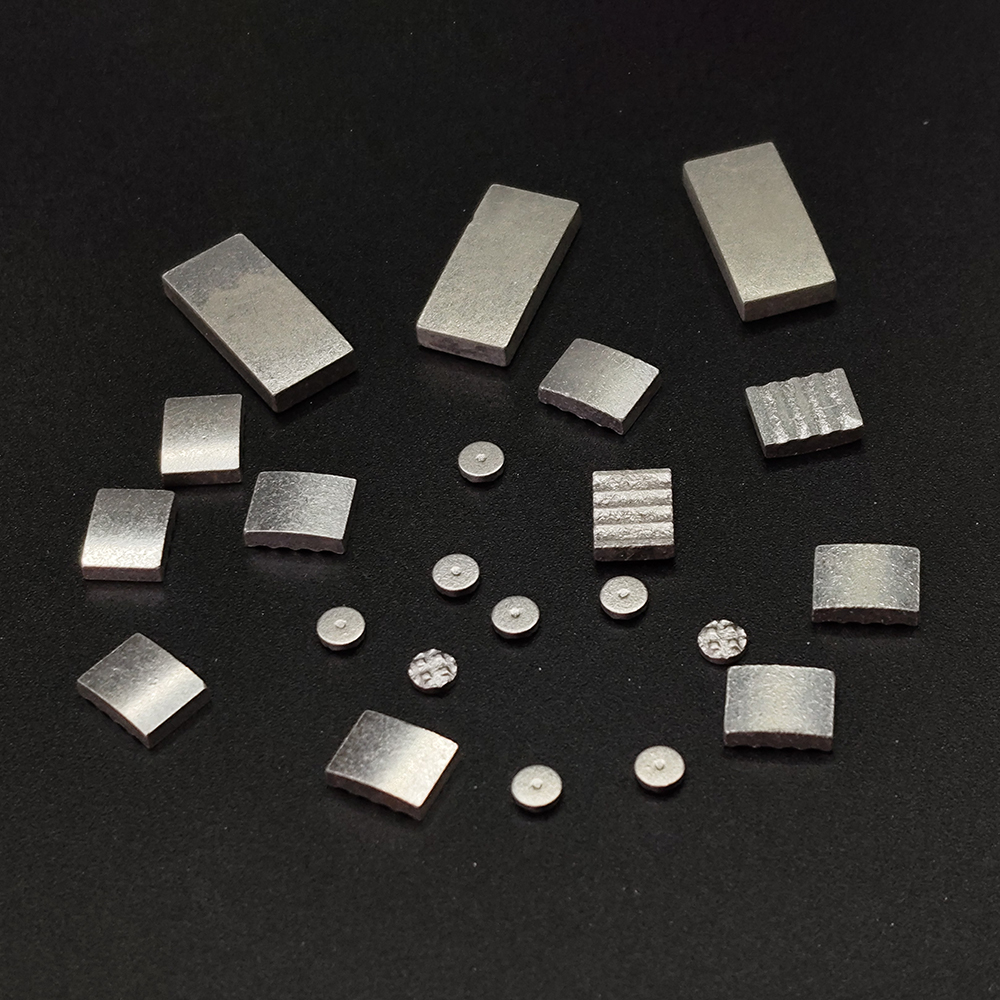 Tailored Powder Metal Contacts
 Contact Rivet Material Type and Properties
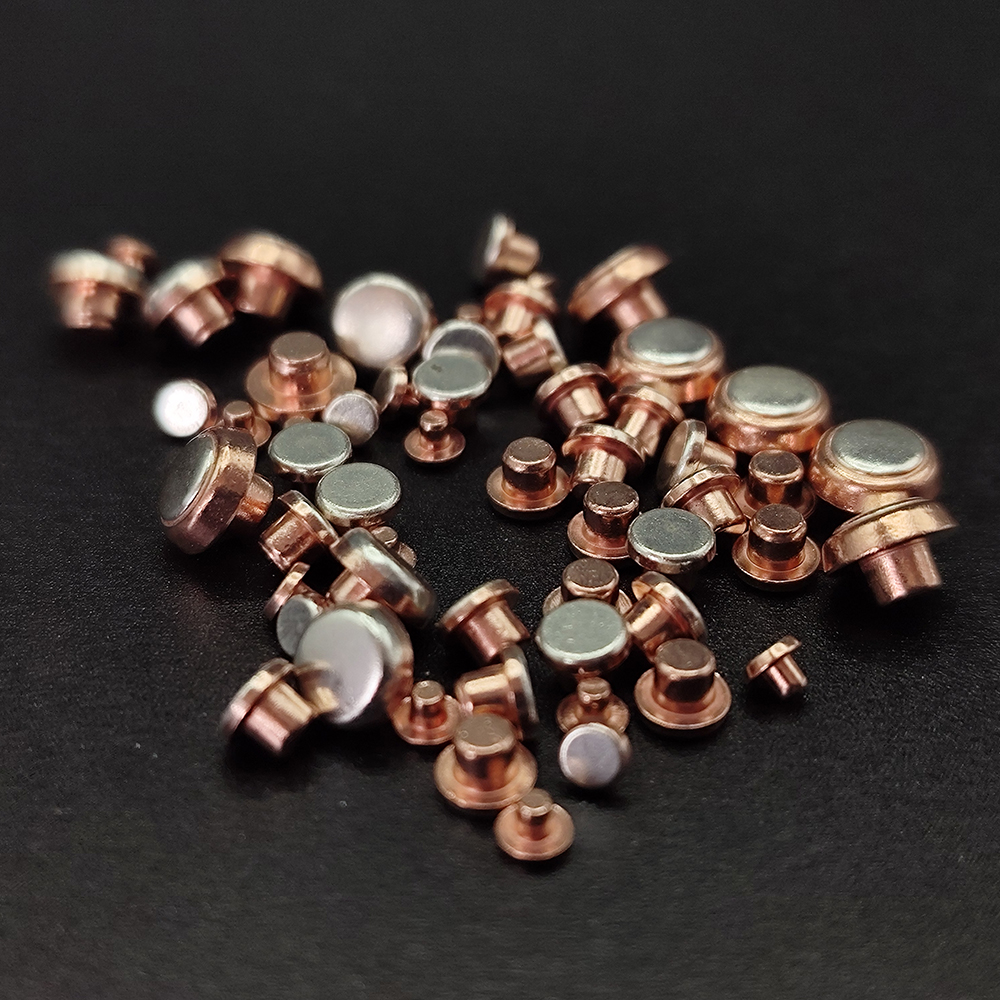 Premium Silver Contact Rivets Available