
Silver Nickel Contact Solutions for EV High-Voltage DC Charging Relays
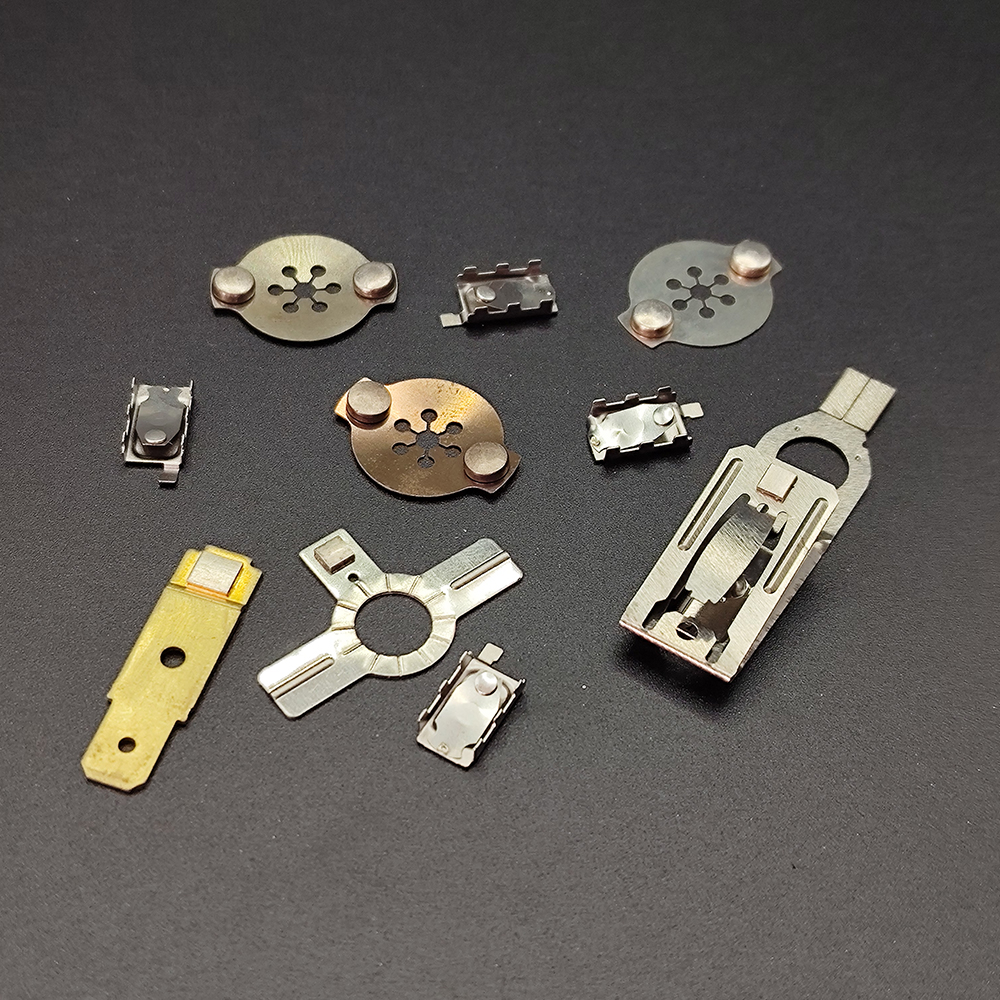
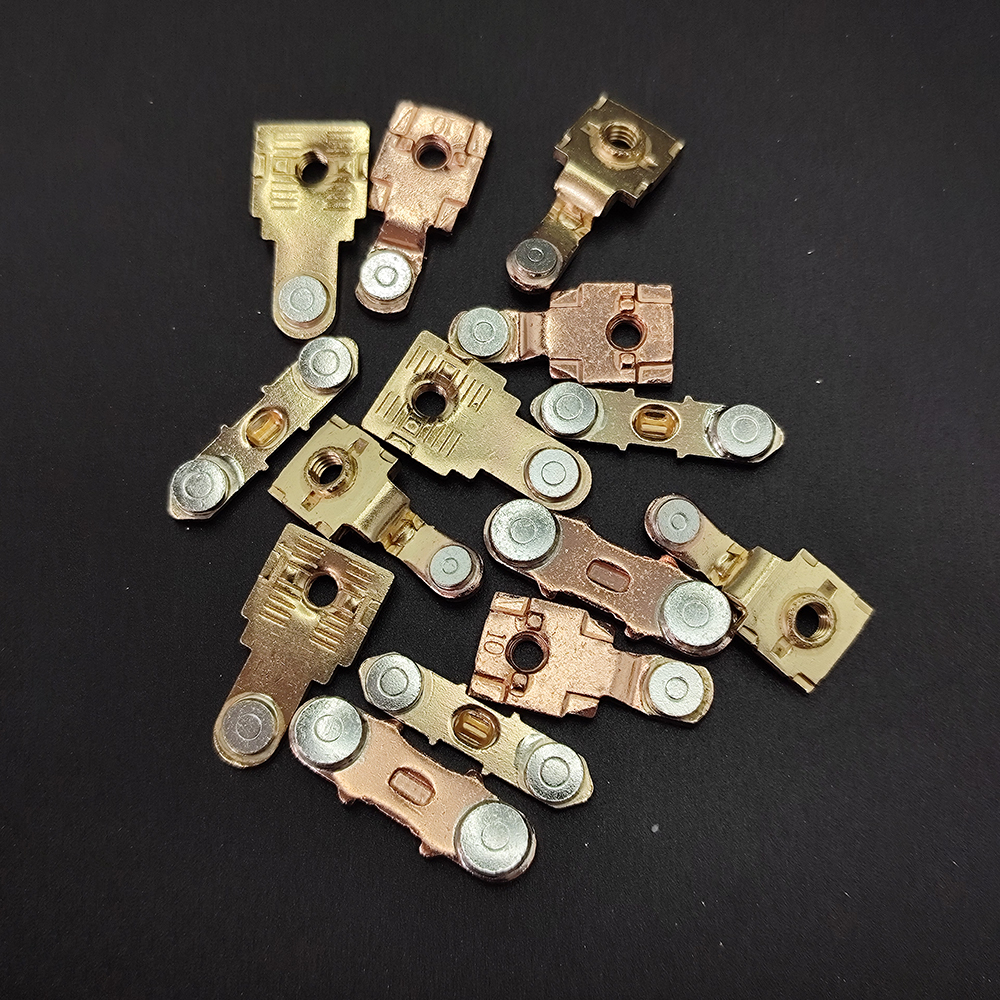
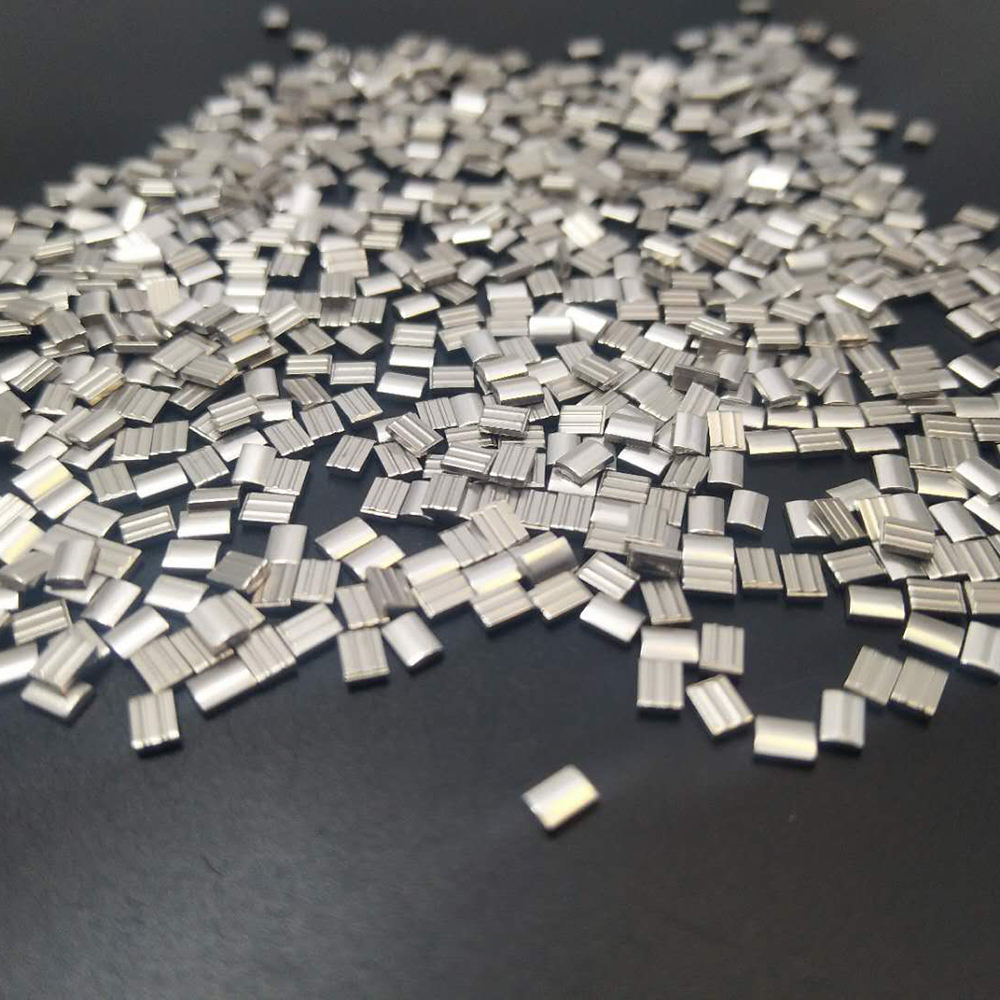
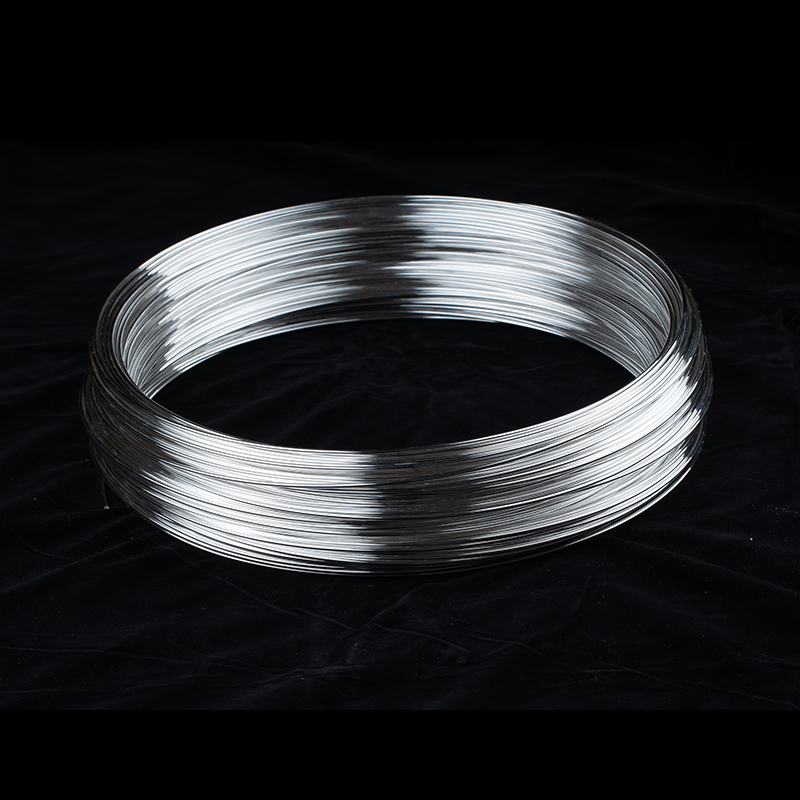
Explore our core product lines precisely designed for electric vehicle high-voltage DC relay applications.
What Are Silver Nickel (AgNi) Contacts?
Silver Nickel (AgNi) contacts are a category of silver-based electrical contact materials composed of a silver matrix uniformly dispersed with nickel particles. The nickel phase acts as a hardening agent and arc-erosion inhibitor, significantly improving the mechanical wear resistance and arc erosion resistance of the contact material compared to pure silver.
The typical AgNi contact grades used in high-voltage DC relay applications include AgNi10, AgNi15, and AgNi20, where the numerical suffix denotes the weight percentage of nickel. The optimal grade selection depends on the specific voltage rating, current load, switching frequency, and thermal management requirements of the relay design.
Silver Nickel contacts offer an excellent balance of electrical conductivity, hardness, and anti-welding properties. Their relatively low contact resistance ensures minimal heat generation during continuous current flow — a critical requirement in EV charging systems where thermal management is paramount.
Core Technical Advantages of AgNi Contacts in EV HV DC Relays
Silver Nickel contacts deliver a unique combination of properties that make them ideally suited for the demanding requirements of electric vehicle high-voltage DC charging relay systems.
Superior Arc Erosion Resistance
Nickel particles dispersed in the silver matrix effectively retard arc erosion, extending contact life under repeated high-voltage DC switching operations common in EV charging cycles.
Anti-Welding Properties
High nickel content increases the contact hardness, reducing the tendency for contact welding under high inrush currents — a critical safety requirement in EV battery management relay systems.
Low & Stable Contact Resistance
The silver matrix ensures low initial contact resistance and excellent conductivity, minimizing I²R losses in high-current DC charging scenarios and reducing thermal stress on the relay assembly.
High Thermal Stability
AgNi contacts demonstrate excellent thermal stability up to and beyond 400°C, maintaining mechanical integrity and electrical performance in high-temperature EV relay environments.
Oxidation Resistance
Unlike some alternative contact materials, AgNi contacts exhibit superior resistance to surface oxidation, ensuring reliable electrical contact closure in both high-humidity and thermally cycled EV environments.
Manufacturability & Customization
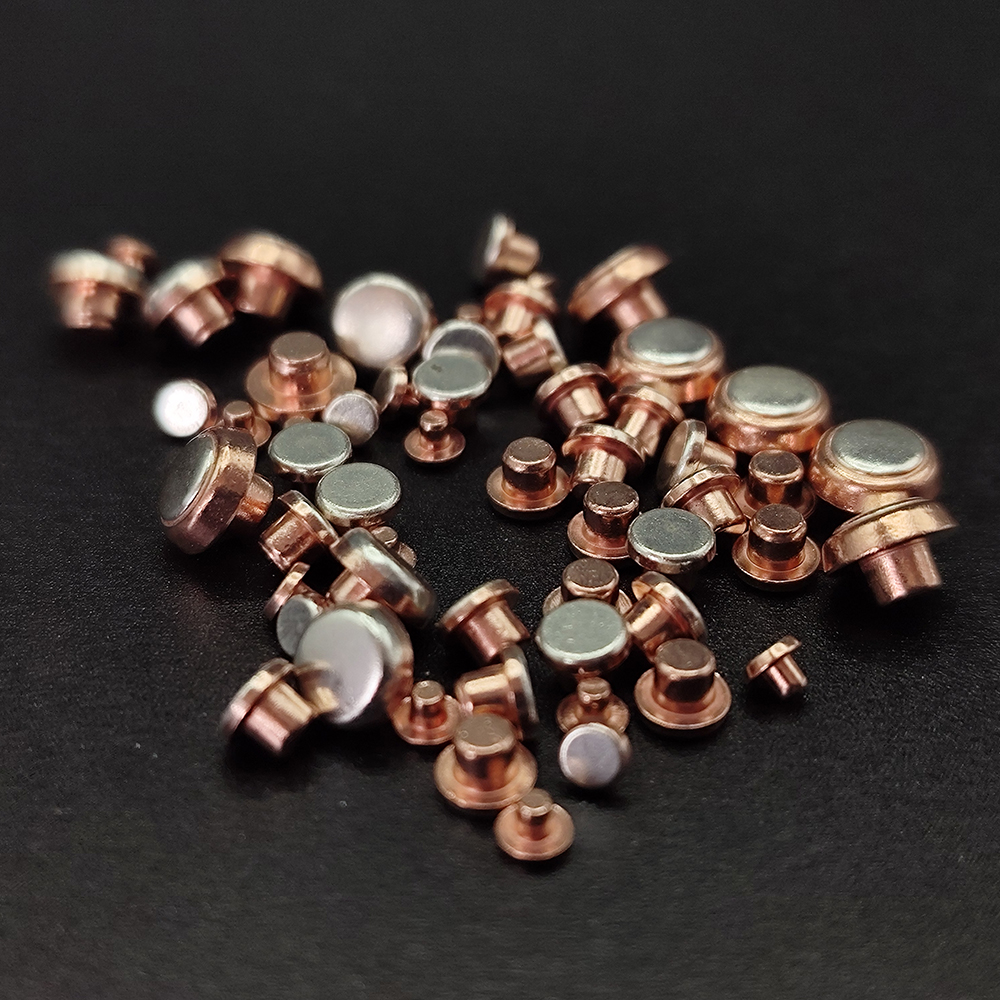
AgNi contact materials can be produced in diverse forms — rivets, strips, bi-metal, tri-metal, and welded assemblies — enabling flexible integration into various EV relay housing designs and assembly processes.
Industrial & Commercial Landscape: AgNi Contacts in the EV Market
The global electric vehicle market has undergone exponential growth over the past decade, with annual EV sales surpassing 14 million units in 2023 and projections indicating continued double-digit growth rates through 2030. This rapid electrification of transportation creates enormous and sustained demand for high-performance electrical contact materials, particularly those capable of reliably operating in high-voltage DC environments.
Market Scale & Commercial Dynamics
High-voltage DC charging relays are mission-critical components in every battery electric vehicle (BEV) and plug-in hybrid electric vehicle (PHEV). Each EV platform typically requires 4 to 10 high-voltage relays for functions including main battery circuit switching, pre-charge relay circuits, DC-DC converter isolation, and onboard charger switching. This translates to tens of millions of relay units per year, each requiring silver nickel contact materials of the highest quality.
Leading tier-1 EV relay manufacturers in Asia, Europe, and North America — including Panasonic, TE Connectivity, Sensata, Hongfa, and BYD Auto Components — rely on high-quality AgNi contact materials as the core electrical switching element in their HV DC relay products. The supply chain for these materials is concentrated among a small number of specialized silver alloy material producers, making quality, consistency, and technical support key competitive differentiators.
Voltage Platform Evolution: 400V to 800V Architecture
One of the most significant commercial and technical trends reshaping the AgNi contact material market is the industry-wide transition from 400V to 800V battery architectures. Pioneered by platforms such as the Porsche Taycan, Hyundai IONIQ 6, and Kia EV6, 800V systems enable charging speeds of up to 350kW, dramatically reducing charging time from 30+ minutes to under 20 minutes for an 80% charge.
This voltage doubling fundamentally changes the contact material requirements. At 800V DC, arc energy during switching is substantially higher, demanding AgNi contacts with enhanced arc-quenching properties, increased hardness, and superior anti-welding performance. Material formulations must be precisely engineered to meet these elevated performance specifications while maintaining cost competitiveness for high-volume automotive production.
| Contact Material | Voltage Range (DC) | Current Range | Key Advantage | Typical EV Application |
|---|---|---|---|---|
| AgNi10 | Up to 600V | 100–200A | Good conductivity, moderate hardness | Auxiliary relay, pre-charge relay |
| AgNi15 | Up to 800V | 200–400A | Balanced arc erosion & conductivity | Main battery relay (400V platform) |
| AgNi20 | Up to 1000V | 400A+ | Superior arc resistance & anti-welding | Main relay (800V ultra-fast charging) |
| AgCdO (Legacy) | Up to 500V | Up to 150A | Good arc erosion resistance | Being phased out (RoHS) |
| AgSnO₂ | Up to 750V | Up to 300A | Eco-friendly, excellent arc erosion | Main relay, DC-DC converter relay |
In-Depth Application Scenarios: AgNi Contacts in EV High-Voltage Systems
Silver Nickel contacts play a vital role across multiple high-voltage functional nodes within modern electric vehicle architectures.
Main Battery Pack Relay (HV Contactor)
The main HV relay directly connects and disconnects the high-voltage battery pack from the vehicle's electrical drivetrain. This relay must handle continuous DC currents up to 500A at 800V, with reliable break-arcing performance during emergency disconnection events. AgNi20 contacts with enhanced hardness and arc-suppression properties are the material of choice for this critical safety application.
DC Fast Charging Relay (CCS / CHAdeMO / GB/T)
During DC fast charging events, charging relays connect the external charging infrastructure directly to the battery pack. These relays must withstand high inrush currents during charge initiation and cleanly interrupt the charging circuit upon completion or fault detection. AgNi contacts ensure low contact resistance during prolonged charging operations while preventing thermal failure under sustained high-current conditions.
Pre-Charge Relay Circuit
Prior to closing the main relay, a pre-charge relay in series with a resistor gradually charges the inverter bus capacitors to battery voltage. This prevents damaging inrush current spikes. AgNi contacts in pre-charge relays must handle hundreds of thousands of switching operations across the vehicle lifetime, requiring exceptional mechanical endurance and consistent low contact resistance.
Bidirectional Charging (V2G / V2H Systems)
Vehicle-to-Grid (V2G) and Vehicle-to-Home (V2H) technologies enable EVs to discharge energy back to the power grid or home during peak demand. This bidirectional power flow requires relay contacts capable of switching in both current directions at high voltages. AgNi contacts' symmetric material structure makes them inherently well-suited for bidirectional DC switching applications, an increasingly important requirement as V2G adoption accelerates.
DC Charging Infrastructure Relays
Beyond the vehicle itself, Silver Nickel contacts are equally critical in ground-side DC fast charging equipment including 150kW, 250kW, and 350kW ultra-fast chargers. These industrial-grade relay systems require contacts with extended service life — often exceeding 500,000 switching operations — and reliable performance across extreme environmental conditions including temperature extremes, humidity, and vibration.
Commercial EV Platforms: Trucks, Buses & Fleet Vehicles
Electric buses and commercial trucks operate at higher battery pack voltages (600V–1000V) and heavier current loads than passenger EVs, placing even more stringent demands on contact materials. AgNi contacts for commercial EV relay applications are engineered with optimized nickel distribution and grain structure to deliver superior arc erosion resistance and service intervals compatible with commercial fleet maintenance schedules.
Development Trends: The Future of AgNi Contacts in EV Technology
Transition to 800V and Beyond: Higher Voltage Architecture
As EV manufacturers push toward 900V and 1000V battery systems to achieve sub-10-minute ultra-fast charging, AgNi contact formulations must evolve. Research is focused on optimizing nickel particle size distribution and introducing microalloying additions to further enhance arc quenching performance at extreme DC voltages without compromising the material's inherent conductivity.
Miniaturization of Relay Contact Assemblies
As EV power electronics become increasingly compact, relay manufacturers demand smaller contact assemblies that deliver equivalent or superior current-carrying capacity in a reduced footprint. Advanced fabrication techniques including powder metallurgy, cold welding, and precision bi-metal strip production enable NMT to deliver miniaturized AgNi contact assemblies with higher current density performance.
RoHS Compliance and Eco-Friendly Material Innovation
Stricter international environmental regulations continue to accelerate the phase-out of legacy AgCdO contact materials in favor of RoHS-compliant alternatives. Silver Nickel contacts are inherently compliant with RoHS, REACH, and ELV directives, making them the preferred choice for European and global EV OEMs with strict environmental procurement policies.
Integration of AI-Driven Quality Control in Contact Manufacturing
Smart manufacturing technologies including AI-powered automated optical inspection (AOI), real-time process monitoring, and predictive maintenance systems are being integrated into AgNi contact production lines. This digitalization enhances dimensional accuracy, composition consistency, and defect detection, ensuring every contact component meets the exacting quality standards required by automotive Tier-1 relay manufacturers.
Solid-State Switching vs. Electromechanical Relay Coexistence
While solid-state switching technologies such as silicon carbide (SiC) MOSFETs are gaining ground in some EV power electronics applications, electromechanical relays with AgNi contacts retain significant advantages in terms of galvanic isolation, near-zero standby power consumption, and cost-per-ampere for the main HV battery circuit switching function. Industry consensus supports continued dominance of electromechanical HV relays in EV applications through at least 2035.
Company Profile
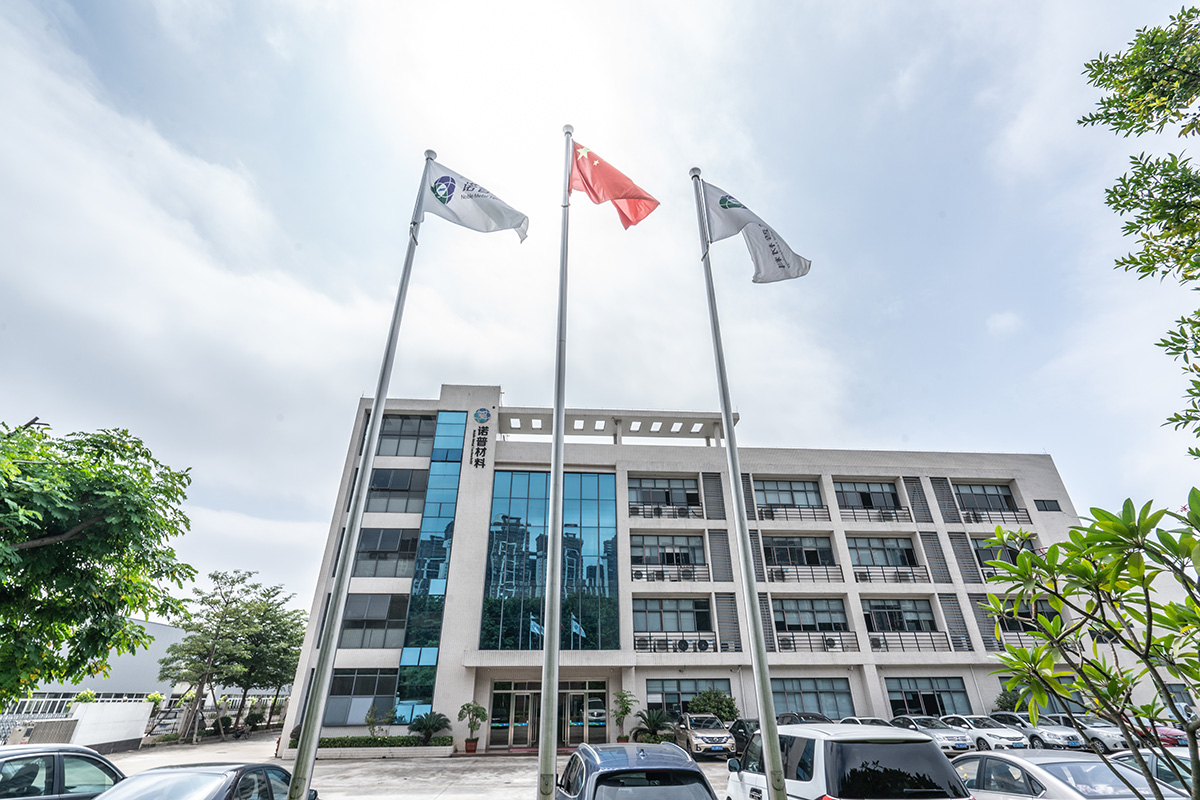
COMPANY PROFILE
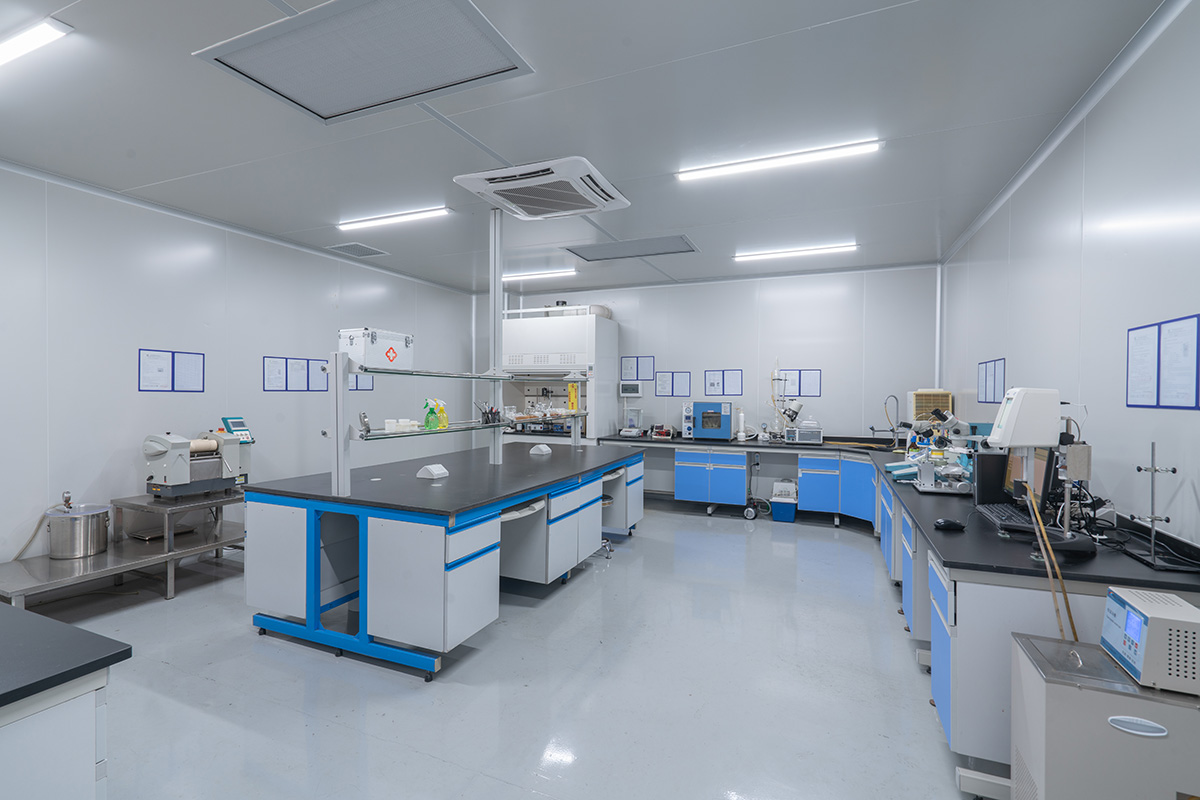
Foshan Noble Metal Technology Co., Ltd. (known as NMT) is a leading high-tech enterprise specializing in the development and manufacture of silver-based electrical contact composite materials, components and assemblies for various electrical and electronic applications. Our headquarter is located in Foshan with state-of-the-art facilities.
NMT has obtained National Invention Patent of "AgSnO₂In₂O₃ electric contact composite material and its manufacture processes" in 2008. Through our expert know-hows and strong technical team, NMT has further developed AgSnO₂ alloy materials with different compositions and innovative processes, which results in better performance and broader range of its application. Additionally NMT has also developed various range of silver-based electrical contact materials such as AgNi, AgZnO and AgCu etc., which may offer our customer more options in their applications.
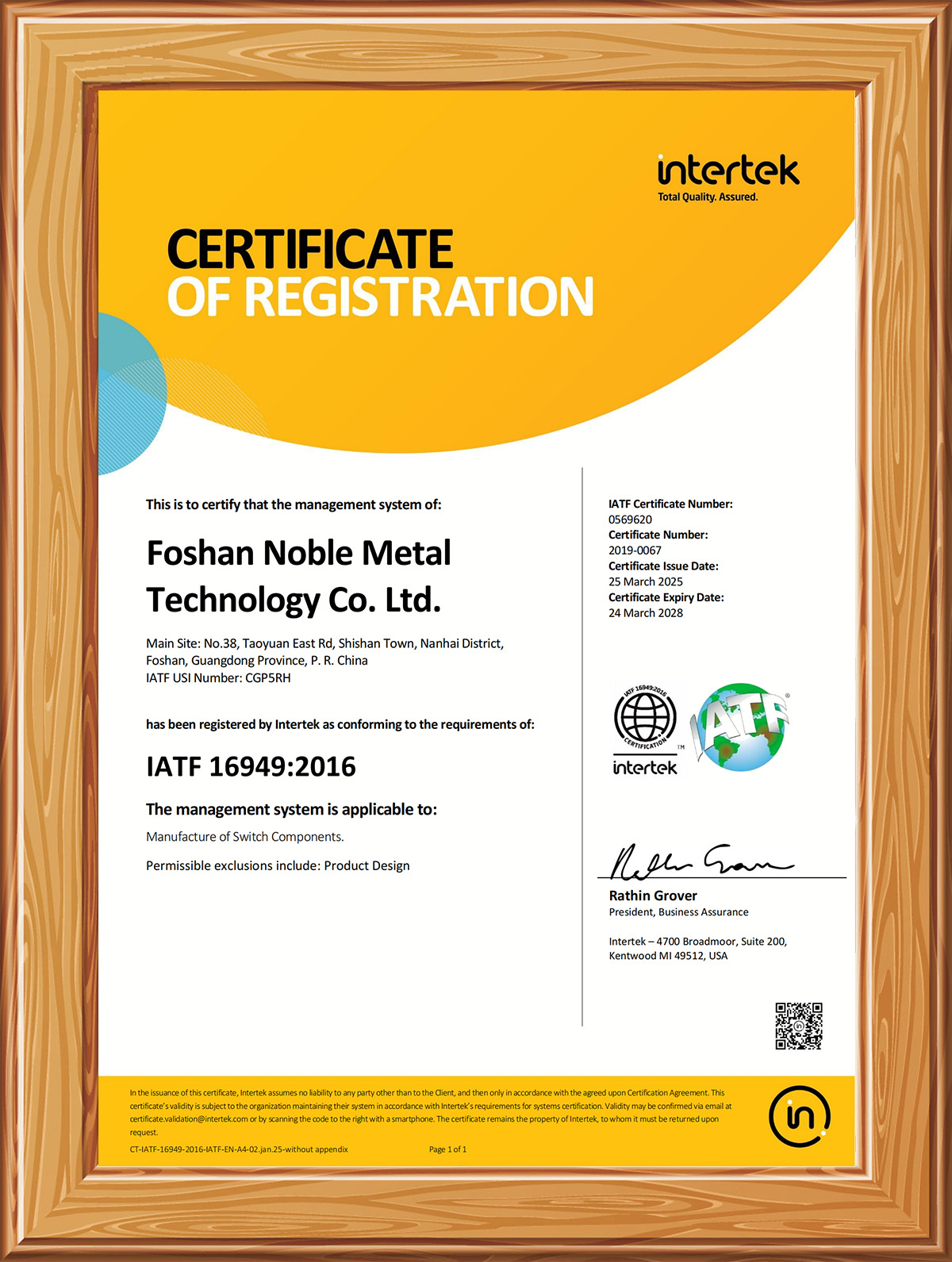
Professional Certificate
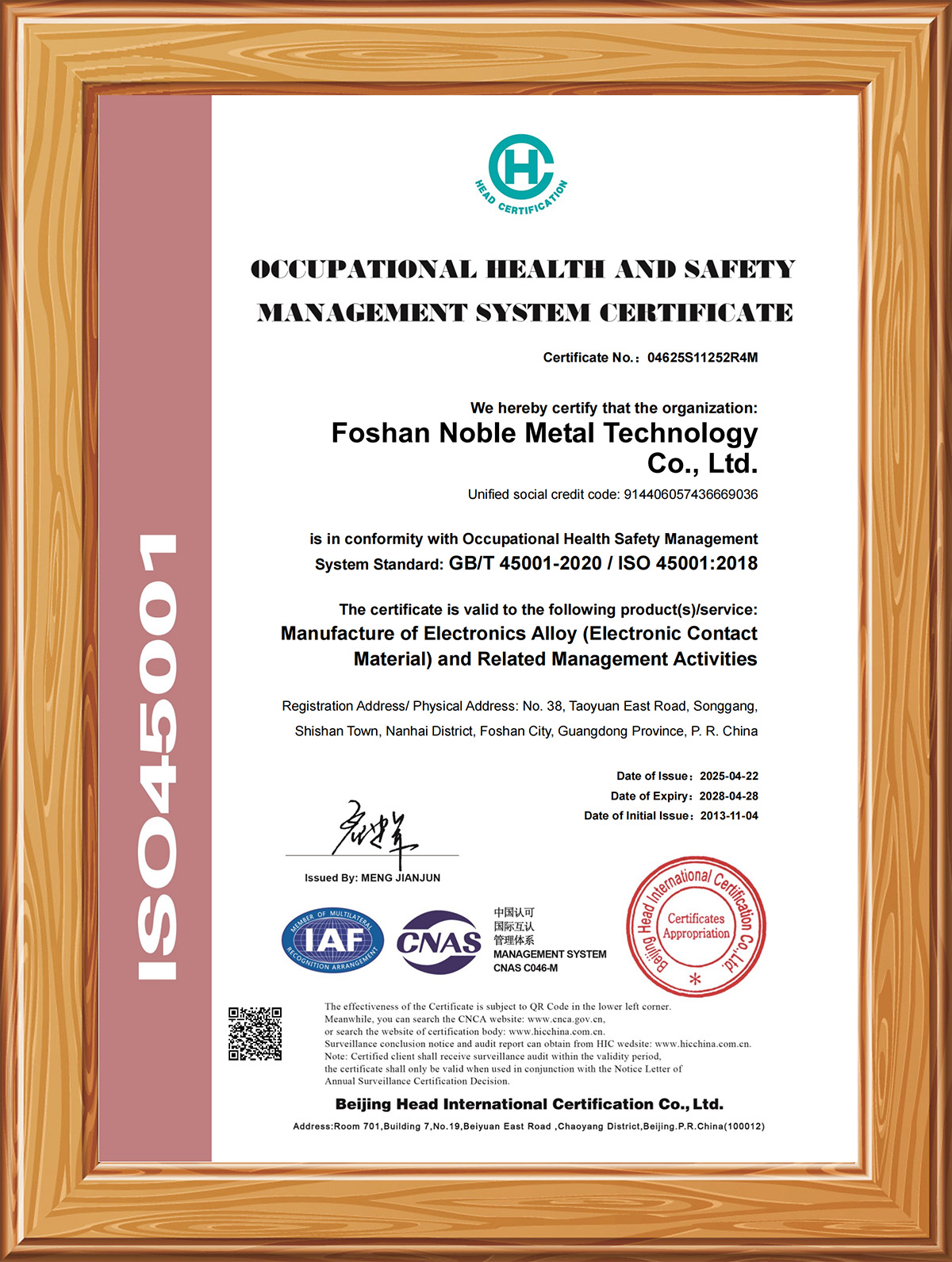
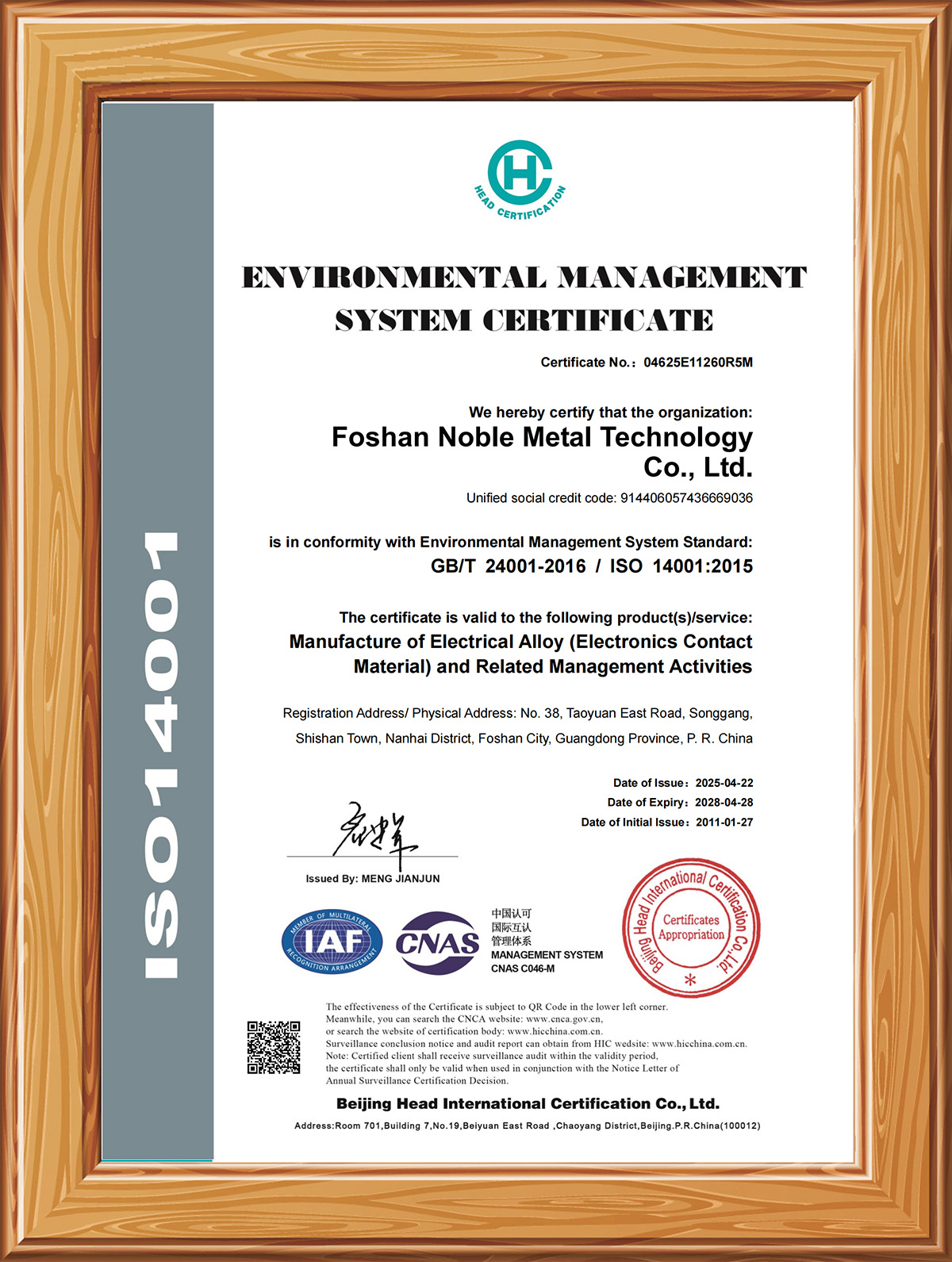
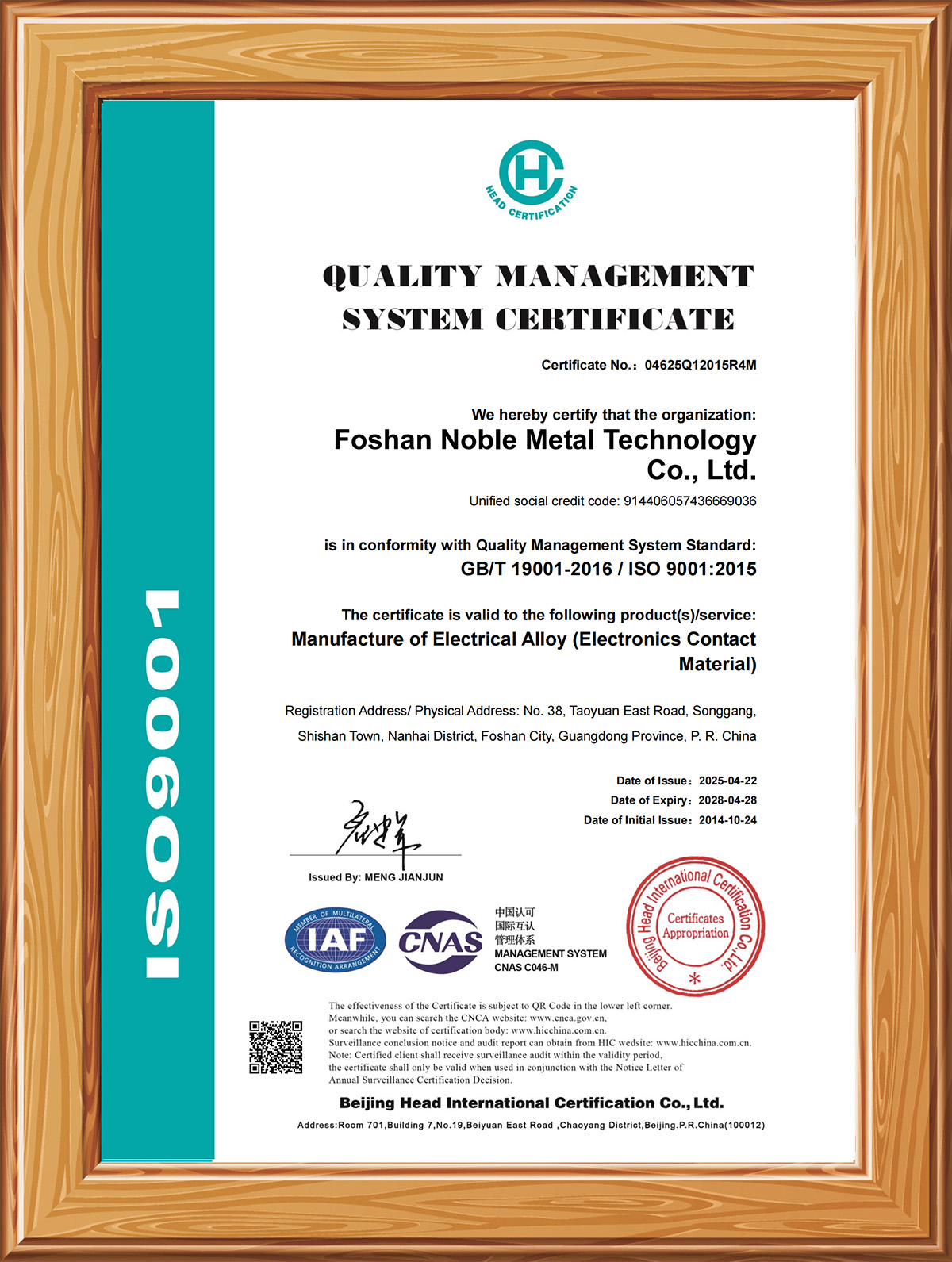

QUALITY CONTROL
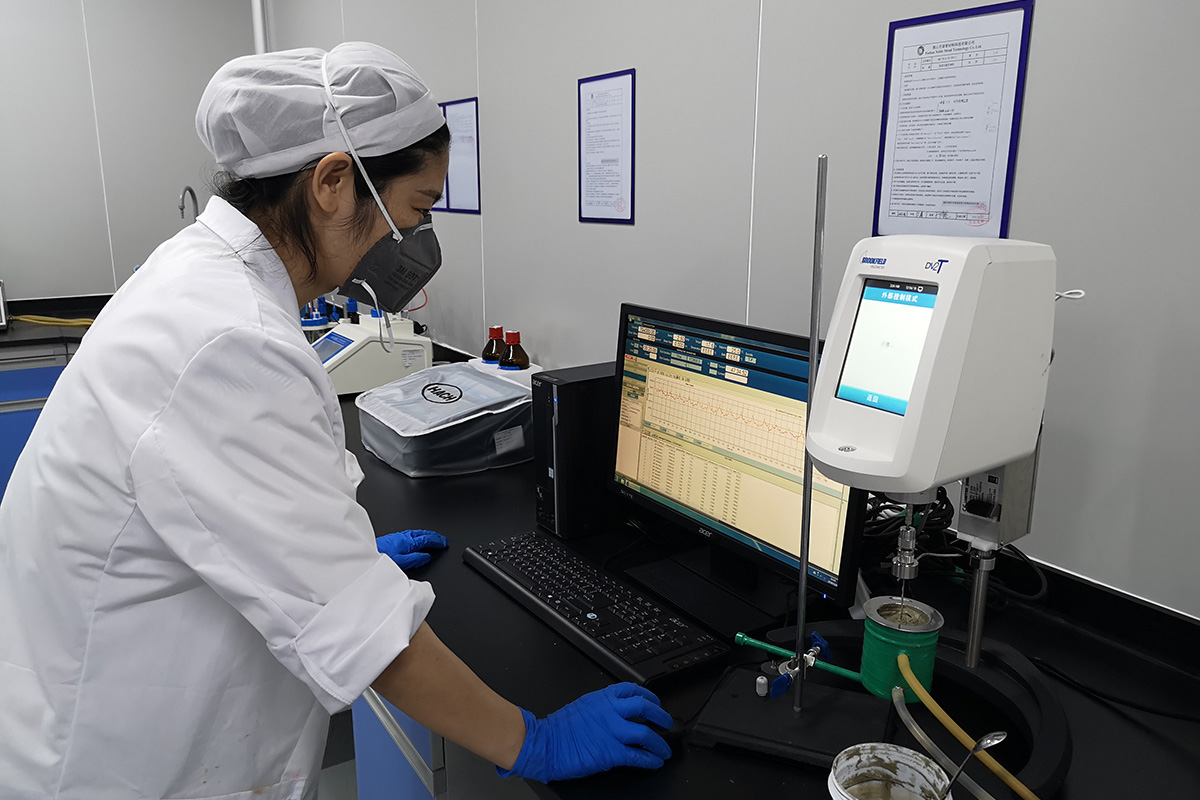
Our business covers a wide range of areas, including contact materials in the form of powder, wire, composite strip and profiles. We also offer contact components, such as tips and rivets, and contact assemblies, which include welded and stamped components. In addition, we have a series of silver paste products. These comprehensive offerings enable us to provide our customers with integrated and cost-effective solutions while ensuring complete manufacturing and quality control.
Innovative R&D
NMT has kept investing in R&D and following up the most up-to-date techniques and applications via cooperation and exchange with customers and research organizations, which drive NMT to deliver more innovative, eco-friendly and high-quality solutions to our customers. We continually strive to enhance our products, expand our capabilities and improve our manufacturing processes. By doing so, we can continue to provide our customers with cutting-edge solutions to meet the changing needs. NMT is a trusted supplier of silver-based electrical contact materials, components and assemblies. With our strong technical team, broad product range and commitment to innovation, we have the ability to provide customers with integrated and reliable solutions.

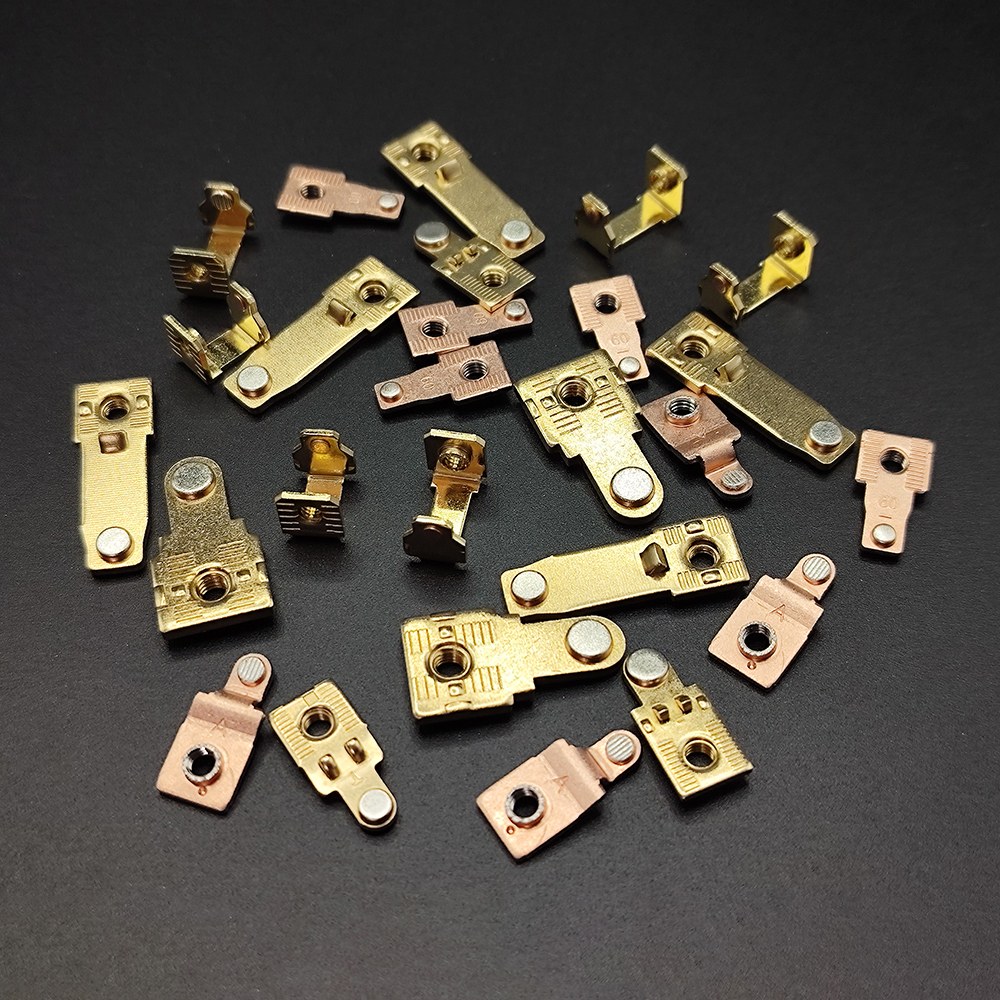
Complete Product Range for EV High-Voltage DC Charging Relay Applications
From precision silver nickel rivets and profiled strips to fully customized contact assemblies — NMT provides end-to-end silver contact solutions for EV HV DC relay manufacturers worldwide.


Partner with NMT for Your EV High-Voltage Relay Contact Solutions
Contact our technical team to discuss custom Silver Nickel contact material specifications tailored to your EV HV DC relay design requirements.
Get a Custom Quote →